


Tokyo, Aug. 14 – Japan’s strategic pivot toward the Global Combat Air Program reflects a calculated move to secure sovereign defense capabilities amidst growing regional instability. While Tokyo maintains a significant fleet of American-made F-35 stealth fighters, the inability to independently integrate domestic weapons or access critical source code has created operational bottlenecks. These strict U.S. government controls over mission systems and data networks have effectively capped Japan’s autonomy, leaving the nation’s military planners reliant on external approvals for essential upgrades and mission-specific enhancements. This frustration acted as a catalyst, compelling Japan to seek a more collaborative and equitable partnership for its next-generation aerial requirements.
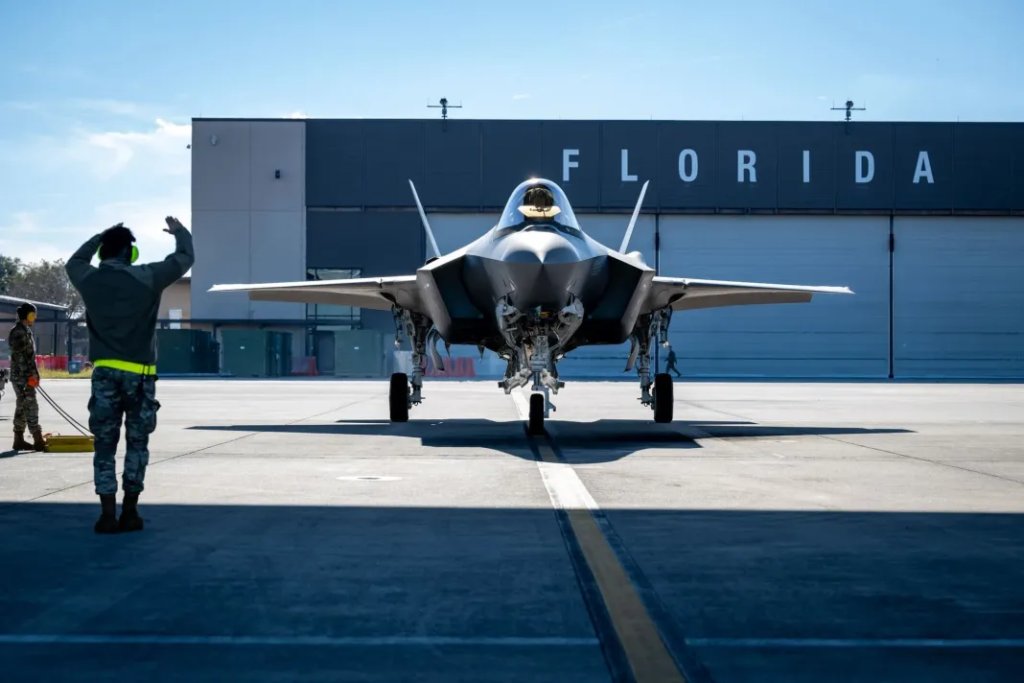
By joining the GCAP alongside the United Kingdom and Italy, Tokyo is prioritizing industrial independence and shared technical authority. Unlike the restrictive F-35 ecosystem, this trilateral initiative, managed by the Edgewing joint venture, offers member nations unprecedented access to the program’s developmental core. This “system of systems” approach focuses on integrating crewed stealth fighters with collaborative combat drones, advanced artificial intelligence, and next-generation sensor networks. Such comprehensive participation ensures that Japan can actively shape the jet’s combat capabilities rather than simply functioning as a purchaser of a locked-down, proprietary platform dictated by foreign policy mandates.
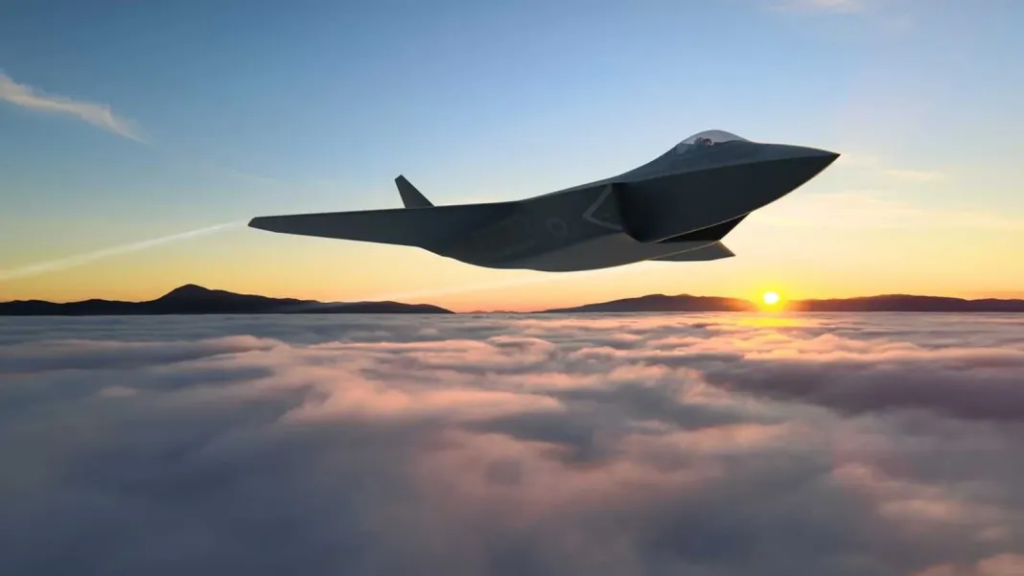
The pursuit of this sixth-generation fighter is further underscored by the shifting dynamics of global security and unpredictable geopolitical alliances. As major powers invest heavily in sixth-generation air-dominance platforms, Japan requires a sophisticated, highly survivable asset capable of operating in contested environments. The GCAP platform is specifically engineered to function as an airborne “quarterback,” coordinating across multi-domain networks to counter advanced Anti-Access/Area Denial threats. By pooling financial resources and engineering expertise, the partner nations aim to reduce the staggering development costs associated with modern stealth aircraft while simultaneously strengthening their domestic aerospace industrial bases for long-term technological competitiveness.
Ultimately, Tokyo’s participation in the Global Combat Air Program signals a desire to move beyond the constraints of traditional post-war military dependency. As Japan increases its defense spending and modernizes its command structures, the ability to control its own technological trajectory has become paramount. Through this trilateral consortium, Japan is effectively securing the strategic autonomy necessary to address regional threats from China, Russia, and North Korea on its own terms. By choosing to co-develop a future-proof, highly integrated combat system, Japan is positioning itself as an influential leader in global defense innovation, ensuring both the sustainability of its air power and the resilience of its national security interests for the coming decades.