


Dubai, Aug. 18 – The ongoing conflict involving Iran has significantly disrupted the aviation sector across the Middle East, leading to projections of substantial financial instability for regional carriers. According to data from the International Air Transport Association (IATA), airlines operating within the region are expected to see a dramatic shift from a $7.2 billion net profit in 2025 to a projected $4.3 billion net loss in 2026. This downturn stems from reduced passenger demand, increased security concerns, and the intermittent closure of vital regional airspaces.

Major aviation hubs, including Dubai, Abu Dhabi, Kuwait, and Bahrain, have faced severe operational challenges as hostilities triggered airspace closures and flight suspensions. While most international airlines have resumed operations, many are flying at reduced capacity. The hub-and-spoke model, which is essential to the success of regional giants like Emirates and Qatar Airways, is currently under intense pressure. The necessity for longer, less efficient flight routings has further exacerbated operational costs, including higher fuel burn and reduced aircraft utilization.
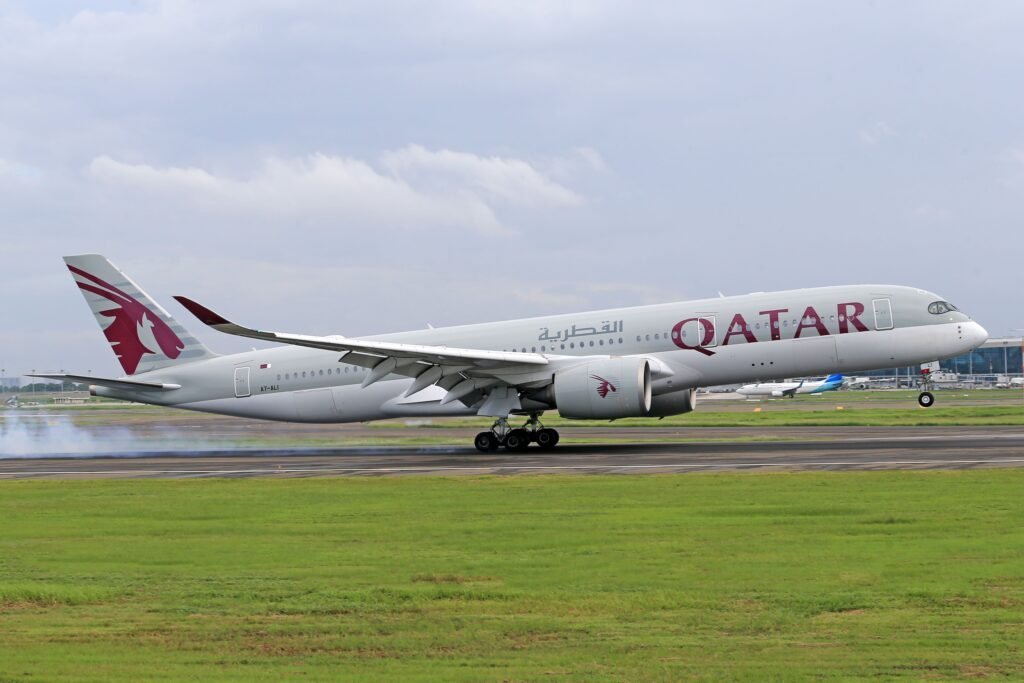
Beyond operational hurdles, the industry is grappling with elevated jet fuel prices and a significant decline in both cargo and private jet demand. Analysts note that while some carriers have attempted to maintain market share through innovative travel insurance policies and promotional tourism packages, the overarching economic strain remains evident. The volatility in fuel costs, combined with the need to retire older aircraft and trim overheads, presents a difficult path toward recovery for the sector.
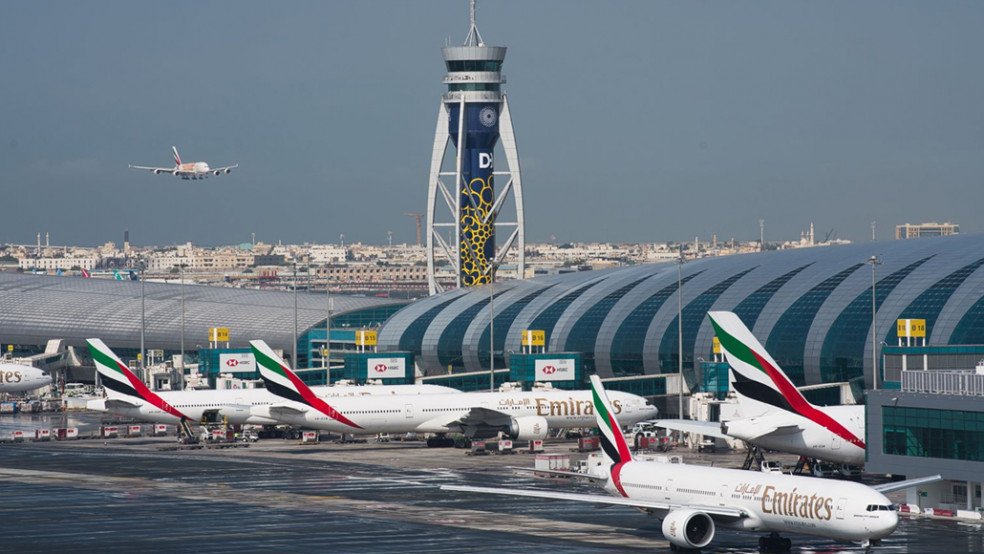
The long-term consequences of this geopolitical instability are already being felt through shifted risk assessments and valuation assumptions in airport investment deals. Although some airlines have demonstrated resilience by capturing reduced competition, the broader market faces persistent uncertainty. As regional carriers work to navigate these complex challenges, the impact of the Iran war continues to redefine the financial landscape of Middle Eastern aviation, forcing a comprehensive restructuring of regional travel and logistics strategies moving forward into the coming year.