

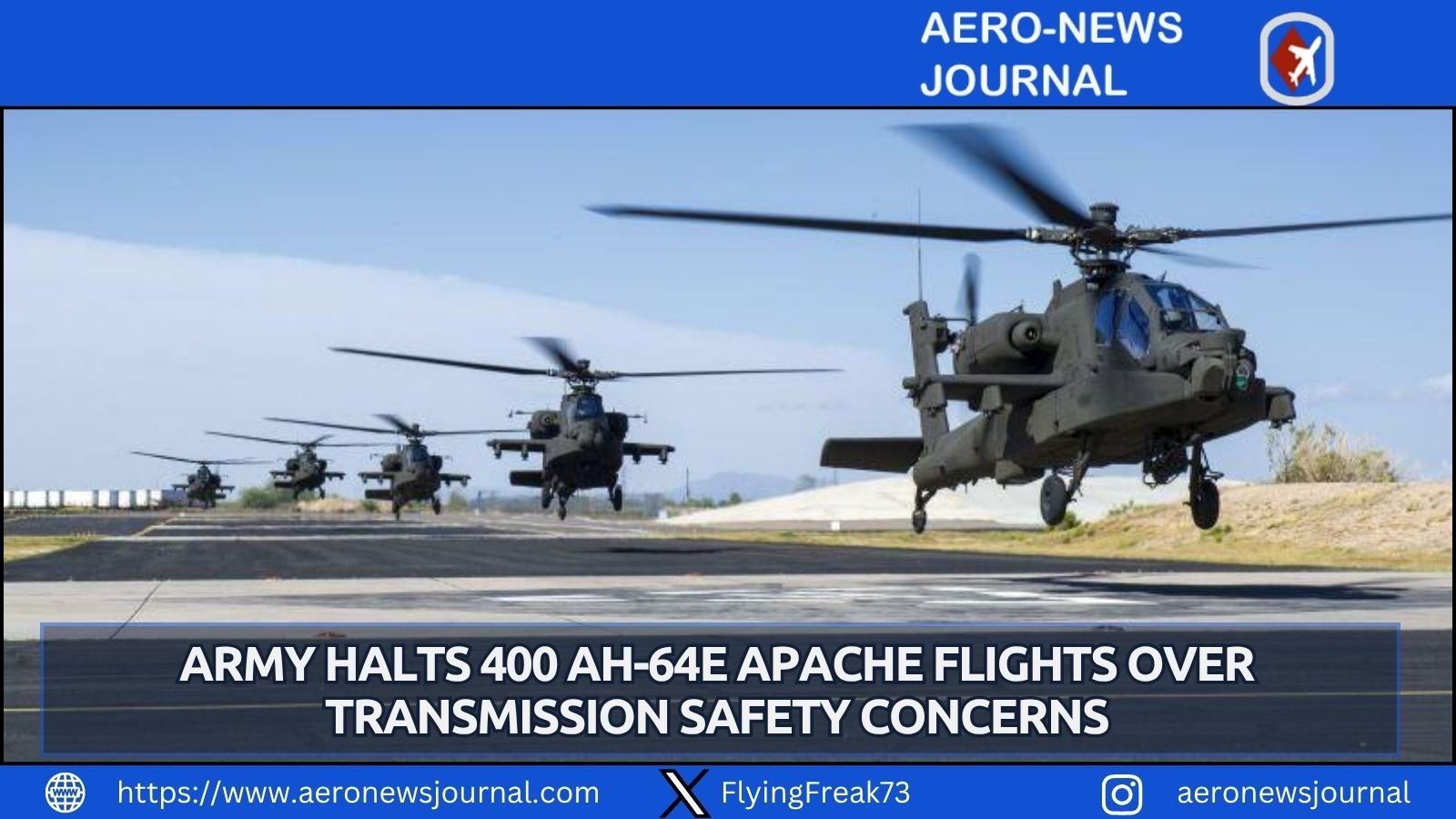
Washington, DC, October 6 – The U.S. Army has grounded its fleet of AH-64E Apache attack helicopters for the second time in three months, imposing an immediate temporary pause on flight operations for aircraft equipped with the Improved Drive System transmission. An Army official confirmed that roughly 400 helicopters, more than half of the service’s AH-64 inventory of about 700 aircraft reported in 2023, will remain grounded while inspections and corrective actions proceed. Officials indicated the Army Apache stand-down could last months as technical and airworthiness assessments continue.
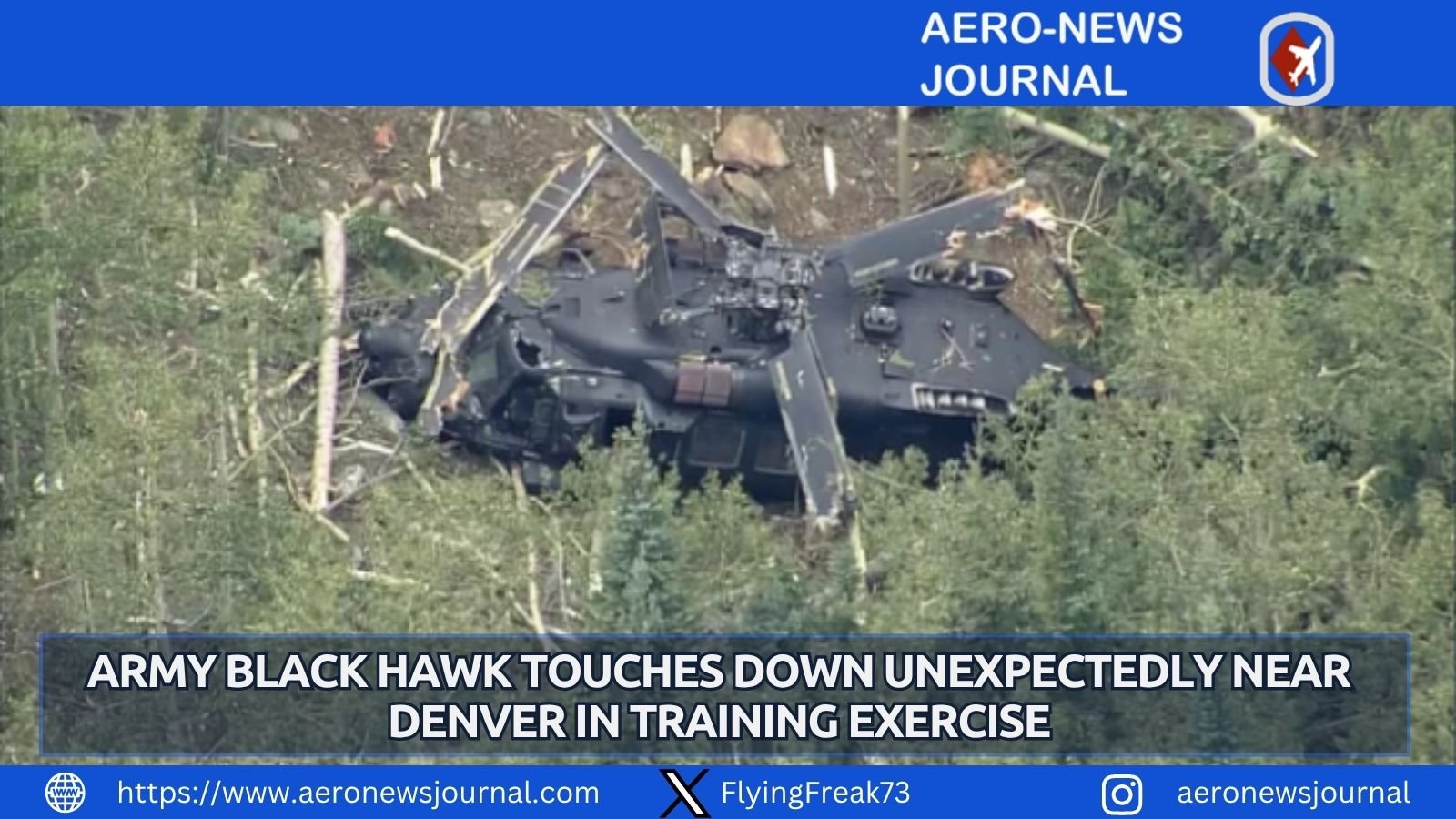
The latest Army AH-64E grounding follows prior Safety of Flight actions, inspection results, maintenance reports, and engineering analysis of the upgraded transmission. Since October 2025, at least four AH-64E helicopters have suffered Class-A mishaps, the most severe category, which includes fatalities, permanent disability, or damages of at least $2.5 million. All other Army helicopters combined recorded only three such accidents in the same period. One of the Apache incidents involved a catastrophic transmission failure.
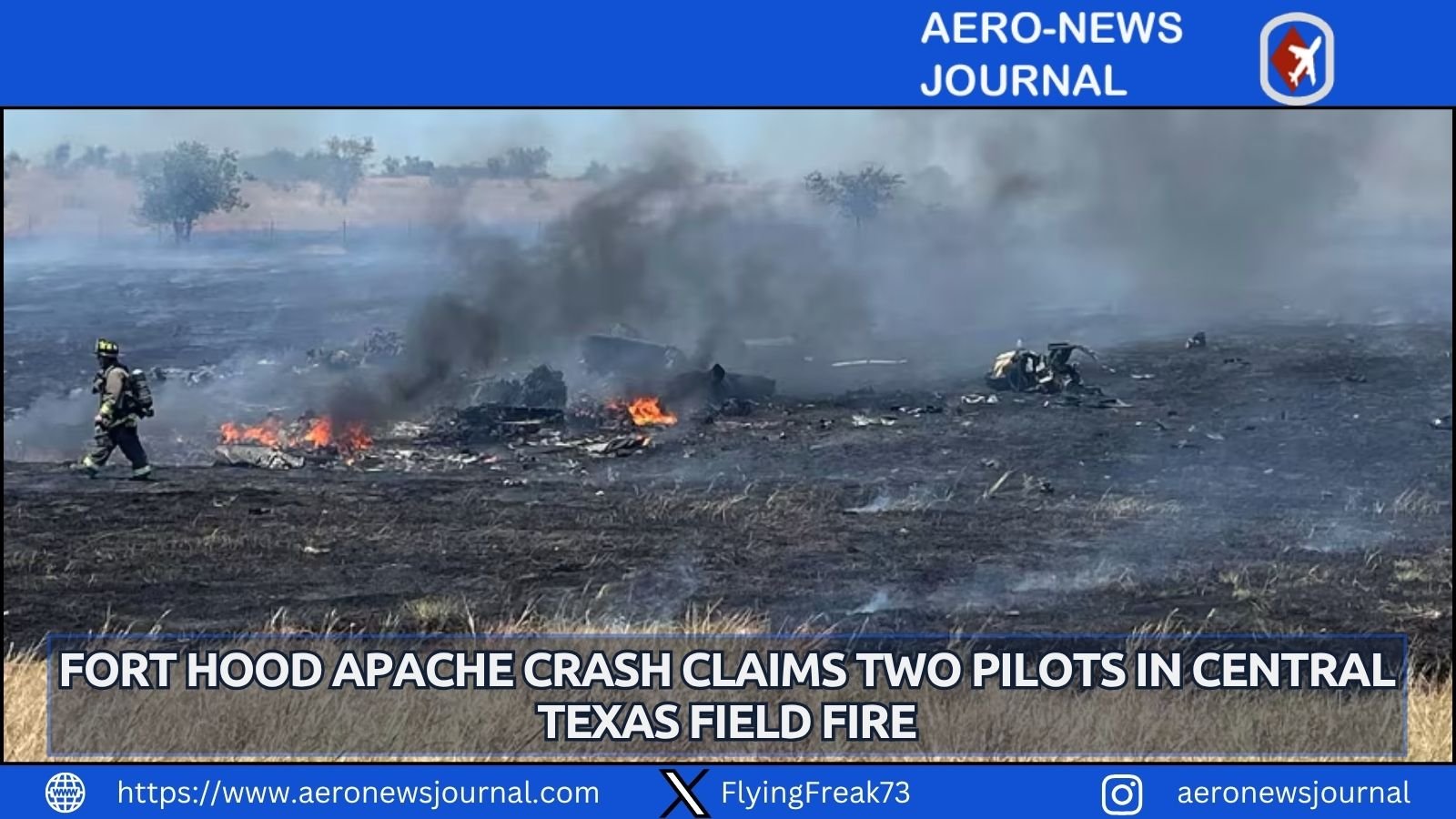
Two AH-64E pilots died in an August crash outside Fort Hood, Texas, which prompted the earlier brief grounding of the attack helicopter fleet. Reporting on an internal Army review has indicated that some Apaches fitted with the Improved Drive System can experience an internal failure that removes accessory gearbox drive, potentially eliminating tail-rotor thrust, electrical power, and hydraulics. The AH-64, designed in the 1970s for close air support and anti-armor missions, entered service in 1986; the E-model, first delivered in 2011, is the final planned variant.
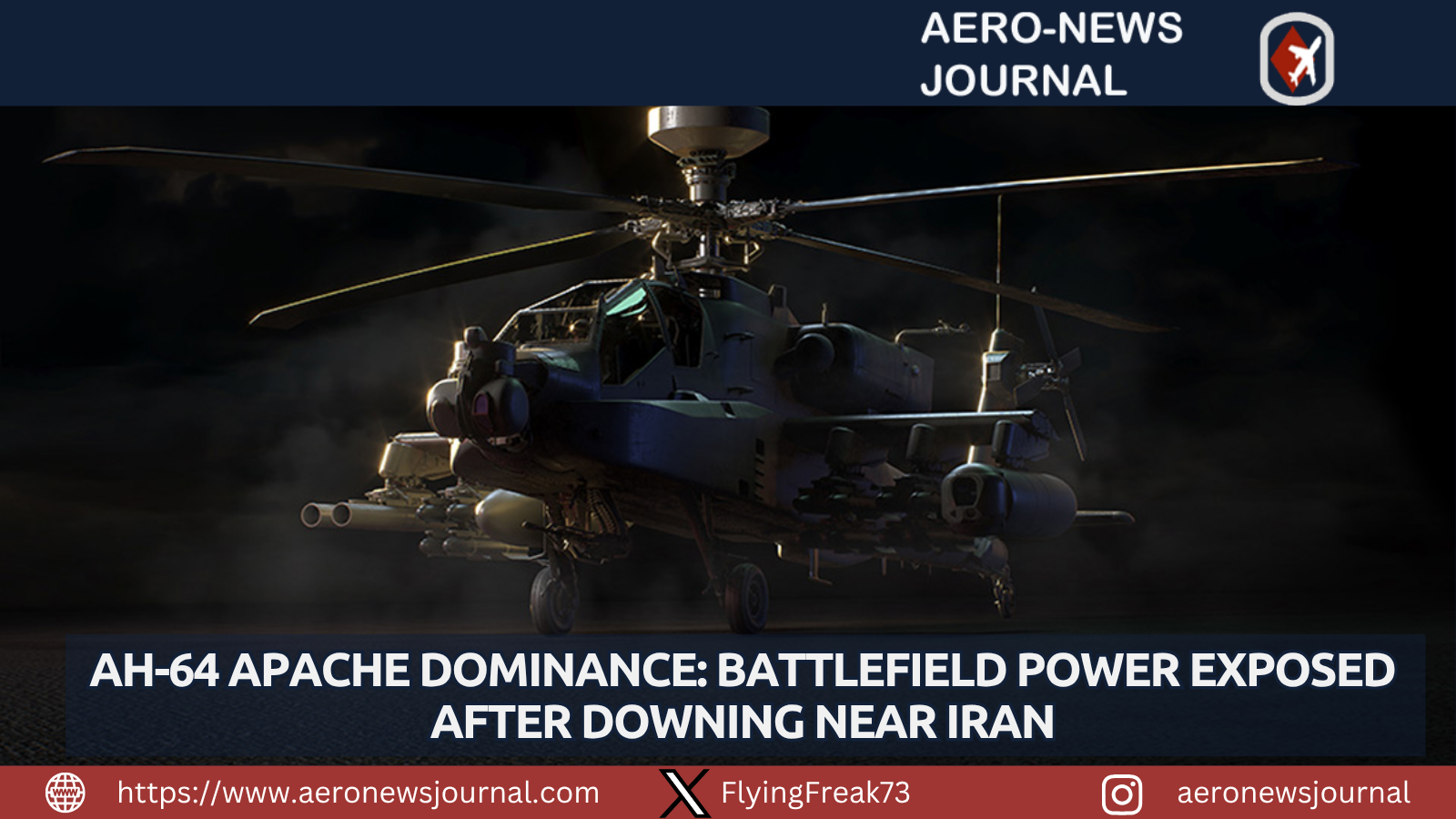
Boeing, the manufacturer, has described the transmission upgrades as a means to extend range and increase available power. The company did not respond to requests for comment on the current pause. The stand-down arrives as Army aviation absorbs force reductions and shifts emphasis toward unmanned systems after an increase in accidents and earlier safety measures.