

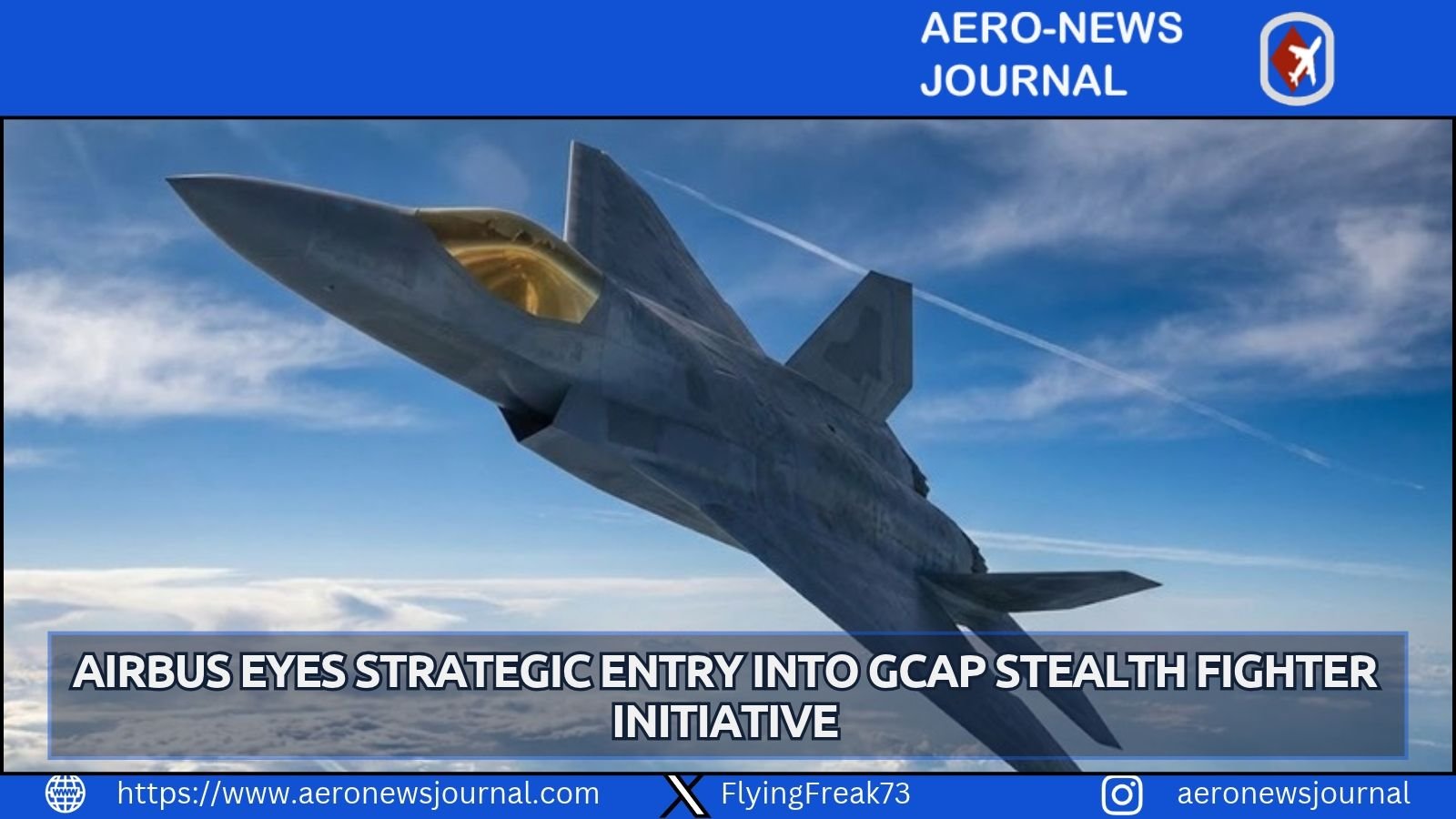
Paris, October 27 – Airbus executives are planning to hold exploratory discussions with BAE Systems regarding a potential industrial role in the multinational Global Combat Air Programme. According to a Financial Times report, these high-level talks will examine how European aerospace capabilities can integrate into the advanced sixth-generation stealth fighter jet initiative.

The collaborative defense venture, originally launched in 2022 by the United Kingdom, Italy, and Japan to deploy a next-generation fighter by 2035, is currently overseen by primary contractors including BAE Systems, Leonardo, and Mitsubishi Heavy Industries. Airbus has expressed fundamental openness to such industrial partnerships.
Discussions are expected to encompass potential cooperation on autonomous collaborative combat aircraft and the digital combat cloud infrastructure. This digital backbone is designed to facilitate secure, real-time data exchange across military aircraft, uncrewed aerial drones, and ground-based radar sensors.
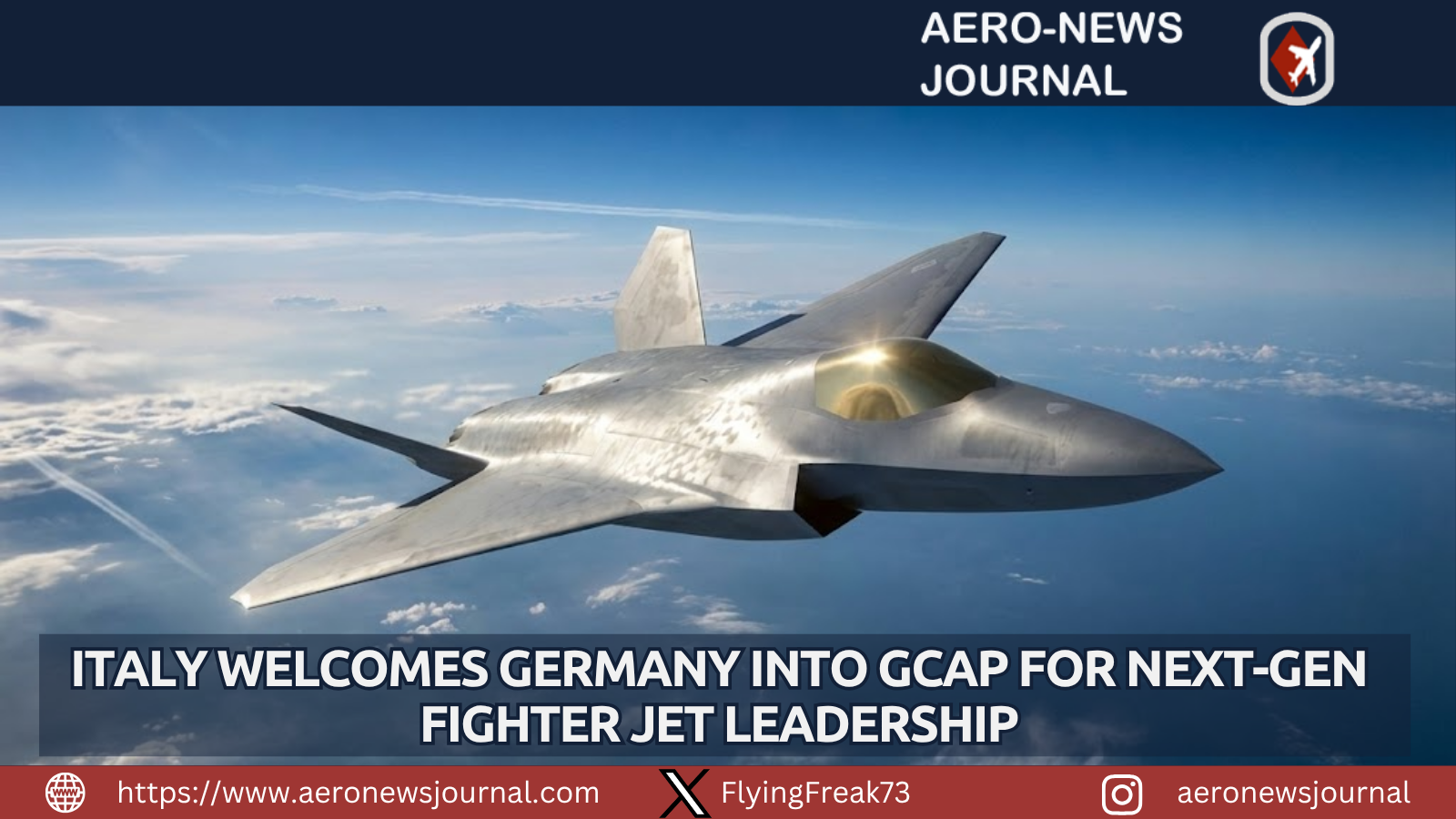
An Airbus representative emphasized that any meaningful participation relies on securing substantial and equitable involvement for European industrial sectors. Furthermore, timely strategic policy decisions from government leadership in Berlin and Madrid will be vital to establish definitive project roadmaps.