

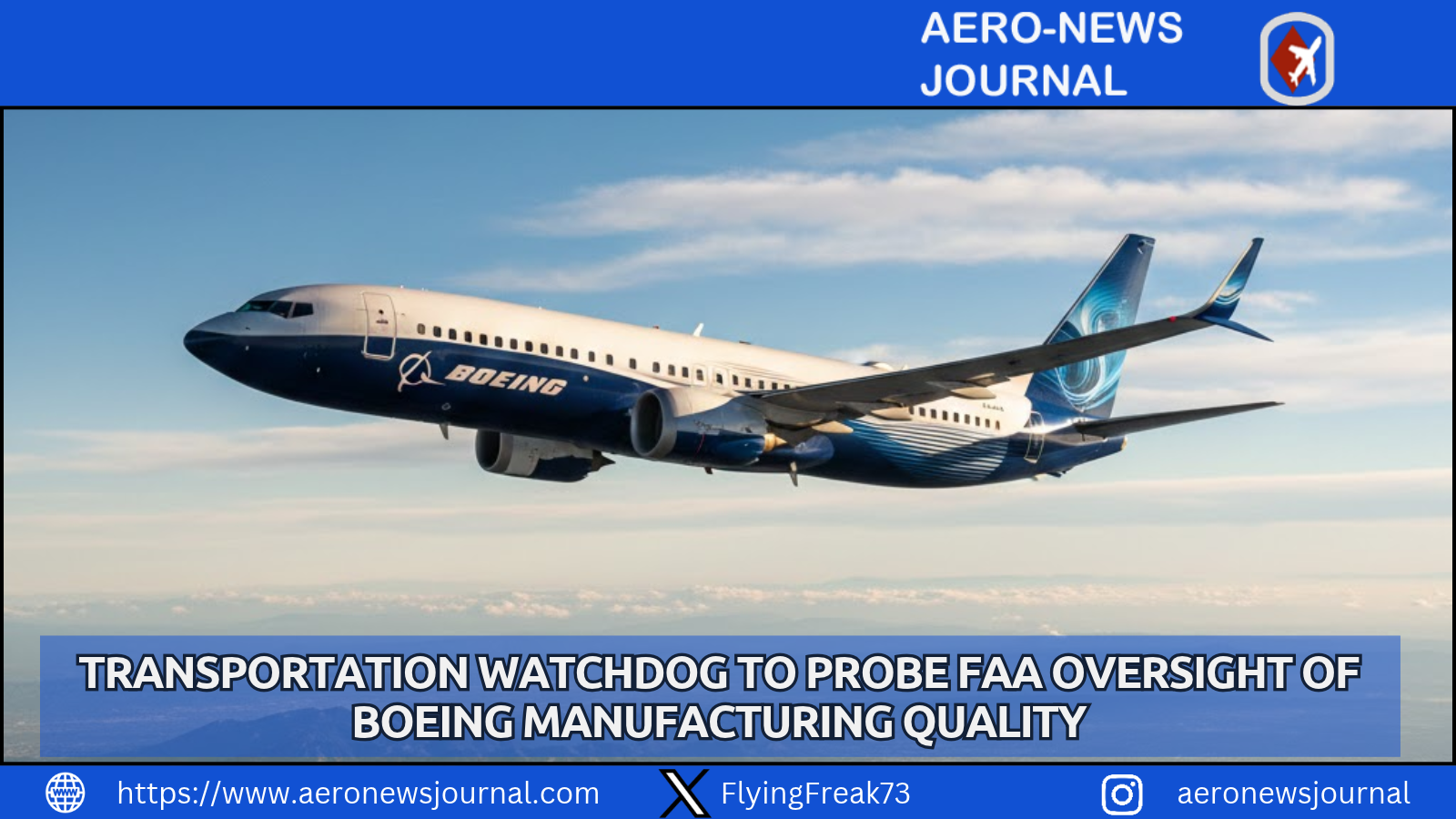
Washington, DC, Nov. 23 – The U.S. Department of Transportation Office of Inspector General announced on November 20, 2026, that it will audit the Federal Aviation Administration’s oversight of Boeing and other airplane manufacturers and aerospace suppliers. This self-initiated review focuses on the effectiveness of FAA oversight practices amid ongoing scrutiny of aircraft production quality. The watchdog specifically plans to examine a recent update to the FAA’s risk assessment methods for overseeing manufacturers. It will also assess how the agency monitors quality assurance systems that cover both domestic and foreign suppliers.

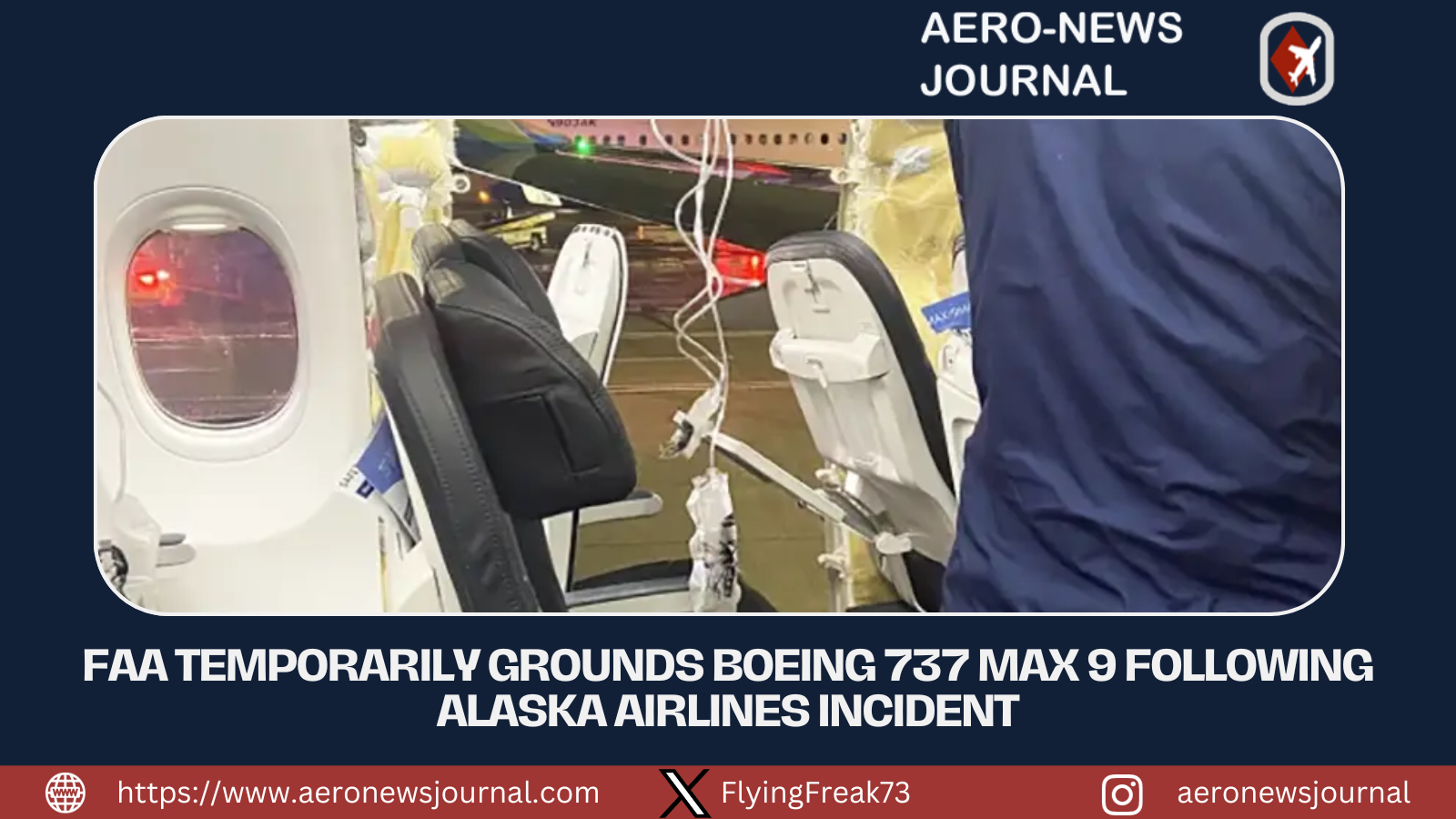
Several reports have identified shortcomings in FAA oversight and Boeing’s internal controls over manufacturing processes. The inspector general cited the National Transportation Safety Board’s investigation into the January 2024 mid-air cabin blowout involving a new Alaska Airlines Boeing 737 MAX. Investigators determined that four key bolts were missing from a door plug, and the NTSB attributed the event in part to ineffective FAA oversight of Boeing. These findings underscore persistent concerns about regulatory supervision of critical aircraft components and supplier networks.
“Several reports have shown shortcomings in FAA and internal company oversight of Boeing’s manufacturing processes, including the NTSB’s finding of ineffective regulatory supervision in the January 2024 Alaska Airlines 737 MAX cabin blowout.”
An FAA spokesman stated that the agency welcomes the feedback and will cooperate fully with the audit. Boeing offered no immediate comment on the announcement. Following the Alaska Airlines incident, the FAA said it had fundamentally changed its oversight approach toward Boeing. The regulator also imposed a production cap, limiting the company to no more than 38 Boeing 737 MAX aircraft per month for a period of 21 months.
The audit represents the first comprehensive examination of FAA oversight of manufacturers’ suppliers since 2008. Its objective is to evaluate whether current quality assurance monitoring adequately addresses risks across the global aerospace supply chain. Results could influence future regulatory standards for Boeing and other producers as the industry seeks to strengthen manufacturing integrity and passenger safety.