

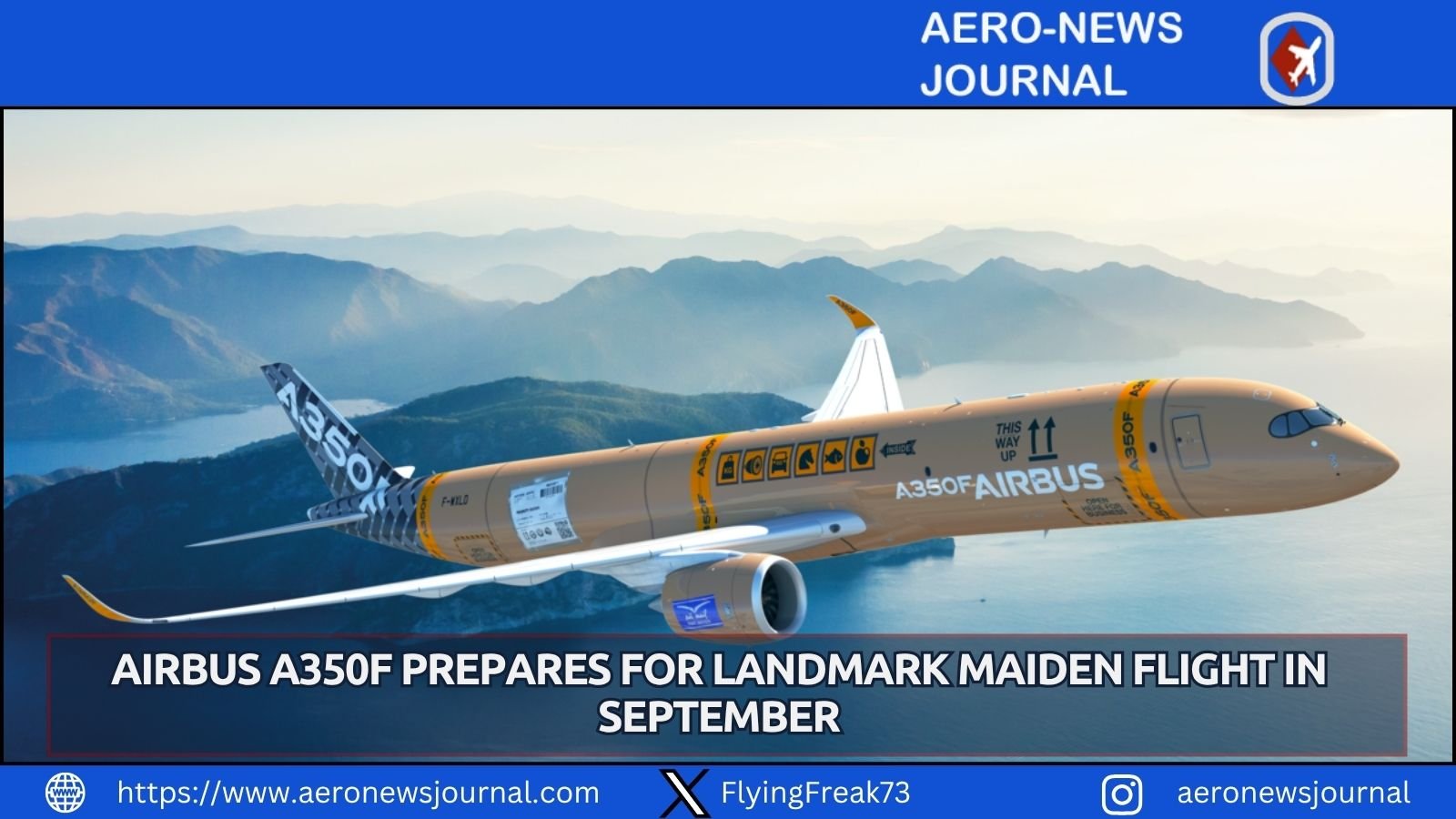
Paris, Aug. 19 – Airbus is preparing for the highly anticipated maiden flight of its A350F freighter, with industry sources indicating that the aircraft is tentatively scheduled for take-off during the third week of September 2026. This significant milestone for the European aerospace giant marks a major step forward in its efforts to challenge Boeing’s long-standing dominance in the global widebody cargo market. While the schedule is subject to change, with the possibility of shifting into early October, the move signals a critical acceleration in the development program of this next-generation freighter.
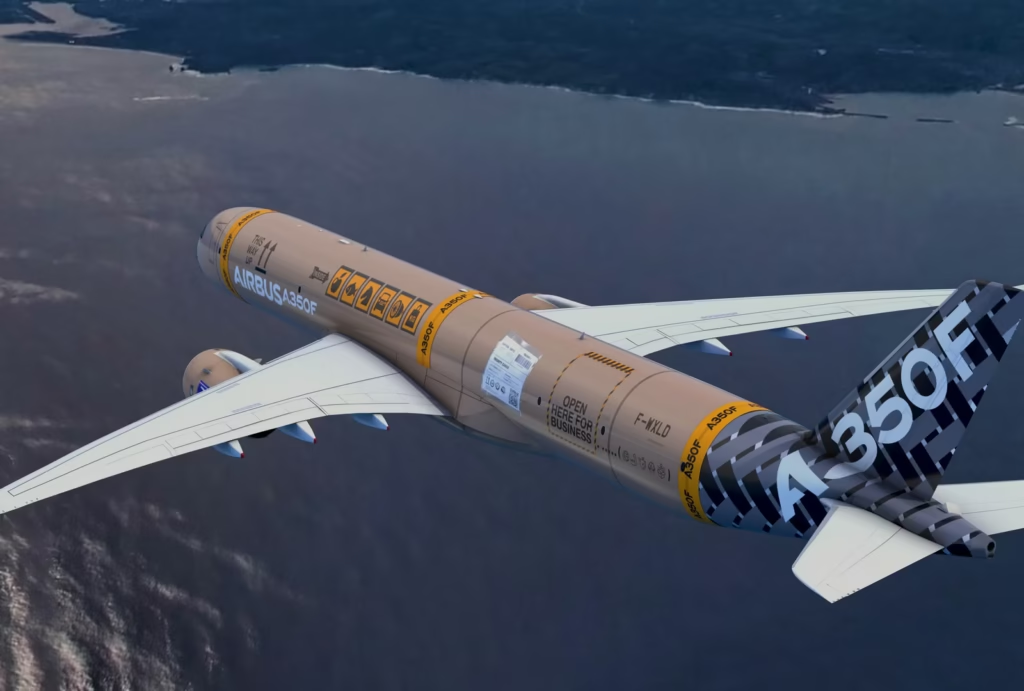
The path toward this inaugural flight has not been without challenges, as the A350F program has faced multiple delays since its official launch in 2021. Originally intended to enter commercial service by 2025, the program encountered production hurdles that necessitated a revised timeline. By targeting a September flight, Airbus aims to maintain its current guidance, which explicitly mandates that the aircraft conduct its first flight before the end of 2026, keeping the overall project trajectory aligned with broader corporate expectations.
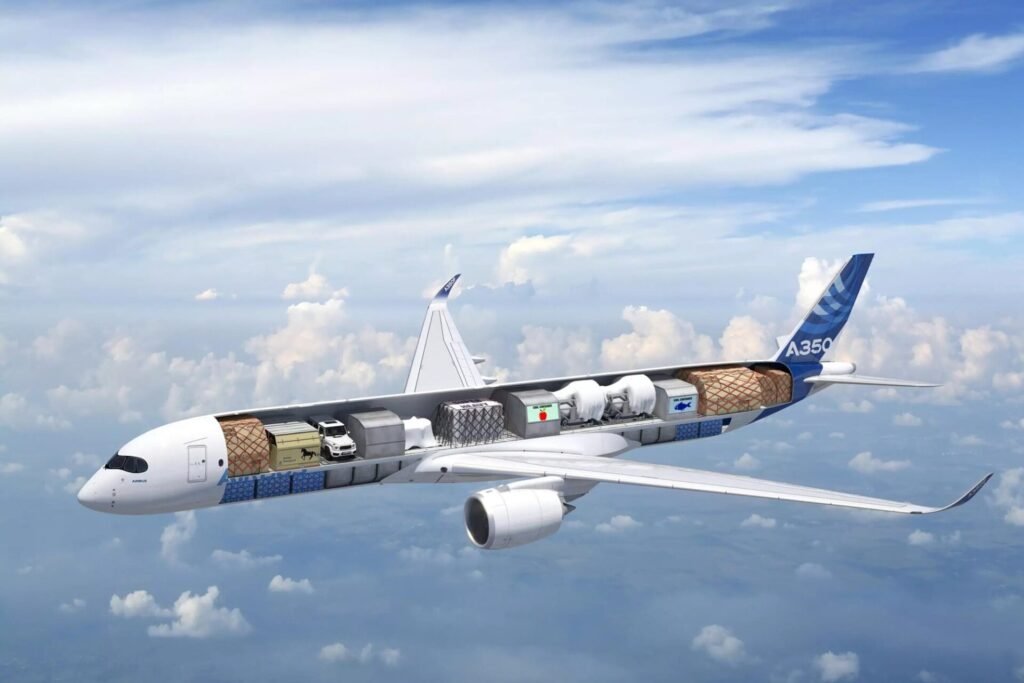
Success in these flight tests is vital for the company’s ambitious certification timeline. Achieving regulatory approval for a new commercial aircraft typically requires an extensive 12-to-15-month campaign. Consequently, the September flight window leaves a relatively narrow margin for Airbus to finalize its comprehensive testing requirements. Nevertheless, the manufacturer remains focused on its objective of completing the certification process and delivering the first aircraft to customers during the second half of 2027.
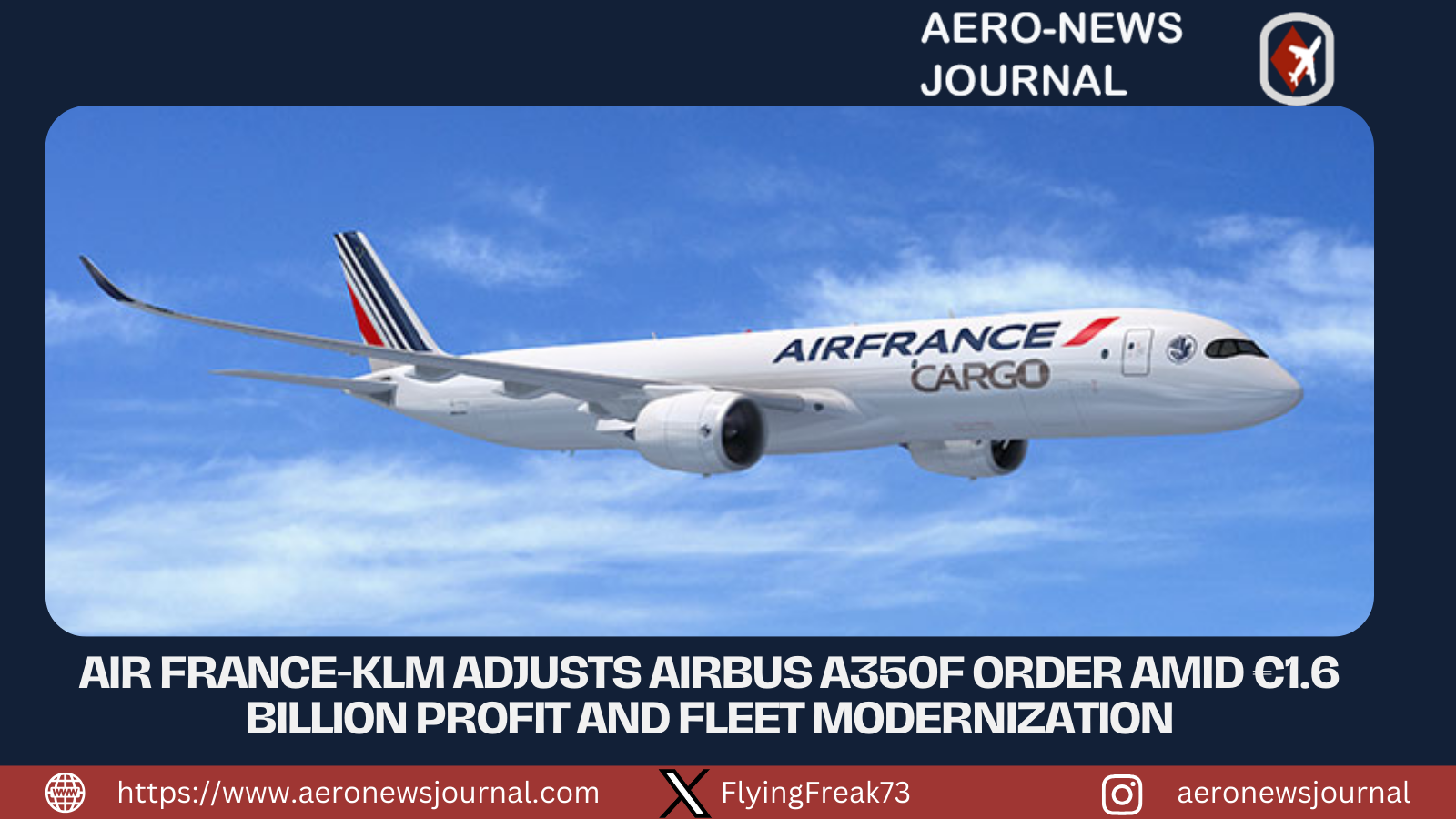
The A350F represents a strategic shift for Airbus, leveraging advanced lightweight composite materials to offer improved fuel efficiency and lower emissions compared to aging cargo fleets. With 107 firm orders already secured, the aircraft is positioned to become a cornerstone of modern logistics operations. By successfully navigating these final developmental phases, Airbus expects to gain a competitive edge in the heavy-lift sector, providing operators with a modern, high-performance alternative to traditional freighter models and strengthening its position within the international air cargo industry.