

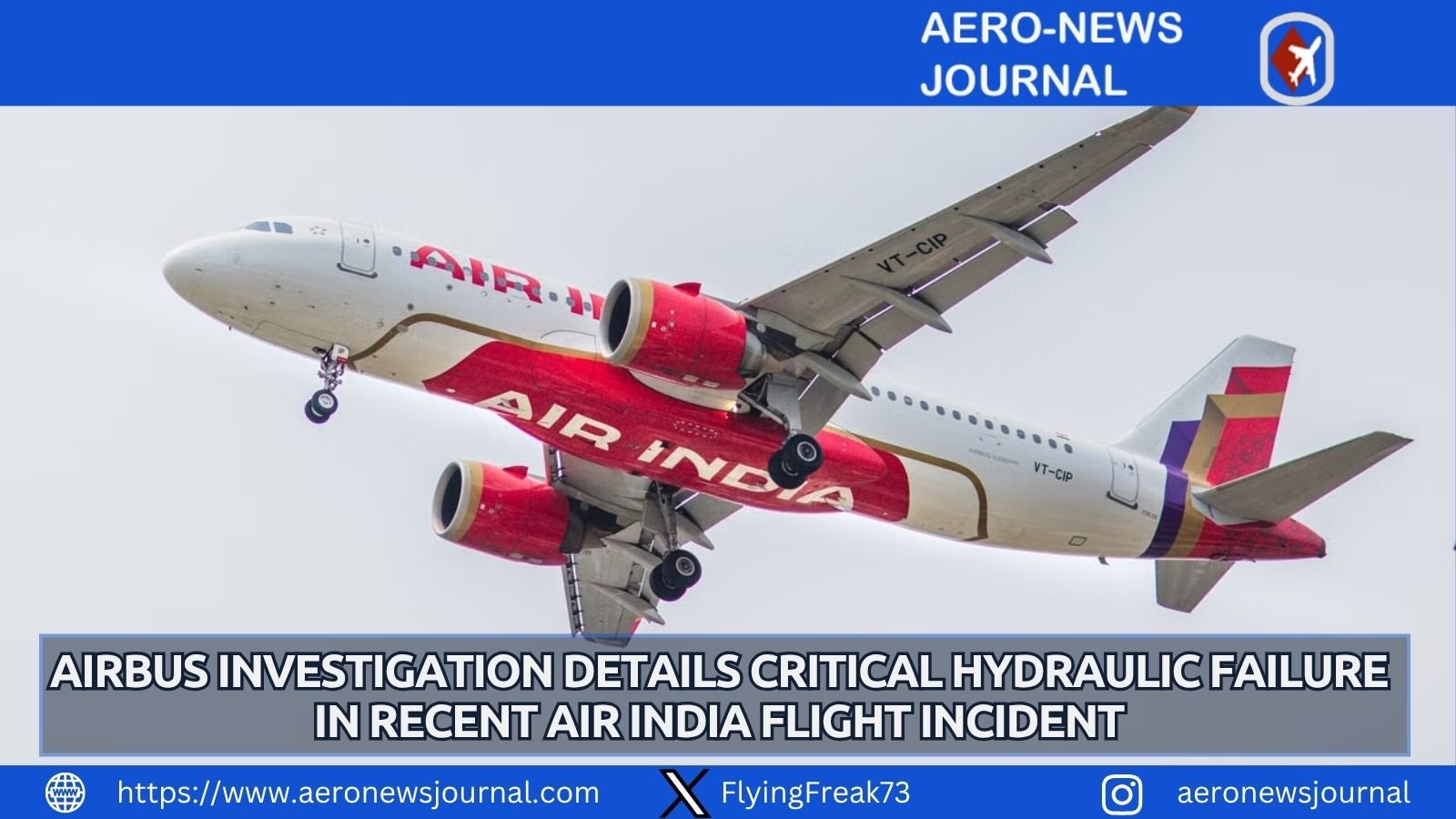
New Delhi, Aug. 16 – A preliminary analysis from Airbus has uncovered critical technical findings regarding a mid-flight incident involving an Air India Airbus A320neo, which experienced a sudden 300-foot altitude drop while en route from Phuket to Delhi on August 4, 2026. The report, which provides a detailed look into the flight data, indicates that the aircraft suffered a brief but significant loss of hydraulic pressure across all three of its independent systems. This rapid succession of failures left the aircraft’s primary flight controls, specifically the elevators and ailerons, unresponsive for approximately four seconds, triggering intense scrutiny from aviation safety regulators and the manufacturer.
During this brief window of compromised control, flight data revealed that the autopilot disengaged and the first officer applied a full nose-down input, yet the aircraft failed to provide an immediate surface response due to the lack of hydraulic power. The loss of elevator and aileron authority directly explains the sudden pitch and altitude change that occurred during the cruise phase of the flight. Although the hydraulic systems recovered within seconds, allowing the crew to stabilize the aircraft and land safely in Delhi, the event resulted in injuries to 24 passengers and crew members who were on board.
The technical implications of this hydraulic failure remain a focal point for the Aircraft Accident Investigation Bureau, which is currently leading the probe alongside support from Airbus and French authorities. Investigators are working to determine whether the simultaneous pressure losses across the green, blue, and yellow circuits were caused by physical hydraulic leakage or an underlying issue with sensors, wiring, or electronic indication systems. The manufacturer has requested that the airline perform rigorous testing on all related components, including pressure switches and transducers, to identify the root cause of this alarming loss of control-surface authority.
As the industry examines this significant safety event, the incident has highlighted the importance of redundancy and system integrity in modern fly-by-wire aircraft. While the A320 family is designed with separate hydraulic circuits to ensure that a single fault does not render the aircraft uncontrollable, this specific case involving multiple system failures raises complex questions about how such failures interact. Air India and global aviation experts continue to collaborate on this thorough investigation, focusing on technical maintenance records and flight data analysis to ensure that similar disruptions to flight-control systems are effectively prevented in future commercial aviation operations worldwide.