

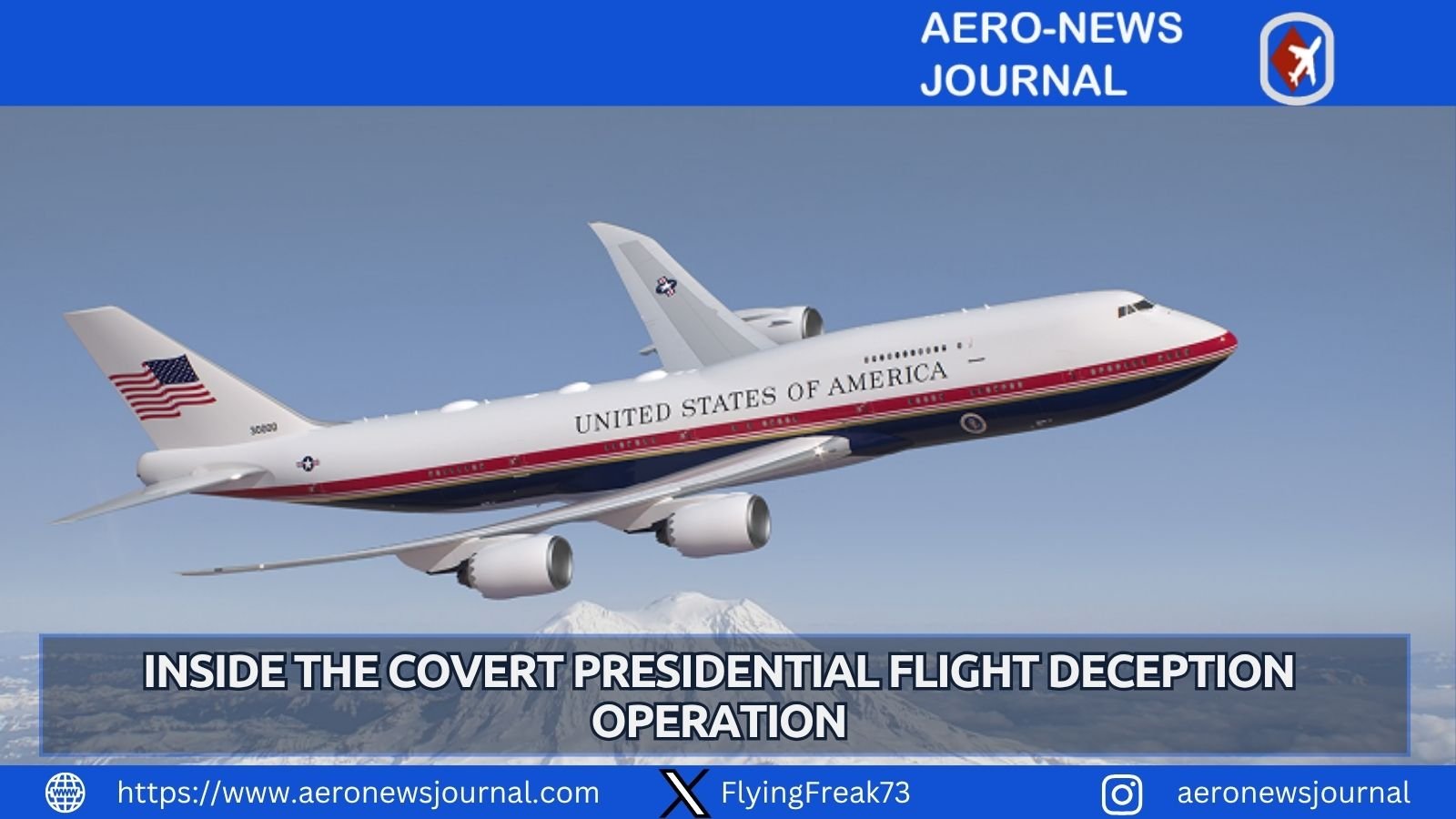
Washington, DC, Aug. 13 – The recent NATO Leaders’ Summit in Ankara provided a backdrop for an extraordinary logistical and security operation involving the United States presidential fleet. Reports indicate that during the journey back from Turkey in July, President Donald Trump executed a complex “deception operation” to mitigate a credible security threat from Iran. While the traveling press pool believed they were embarking on a routine return flight with the President aboard an older Air Force One, the reality of the situation was far more clandestine. The maneuvers served as a stark reminder of the extreme measures often required to ensure the safety of a head of state in an increasingly volatile international environment.
The confusion began when President Trump announced on social media that he would not be returning on the new Boeing 747-8, a recent gift from Qatar. Instead, he claimed to be flying on an older aircraft to allow for a tour of the new jet by service members at Mildenhall Air Force Base in England. However, the journalists accompanying the President were instructed to keep their window shades closed during the flight, a highly unusual directive that sparked internal speculation. It was only later revealed that the President had been quietly extracted from the aircraft using an airport catering truck, effectively allowing him to board a third, separate government jet to avoid potential risks.
When questioned about the unusual security protocols during the flight, President Trump famously remarked to the press, “If I go, you go, right?” This haunting comment underscored the inherent dangers faced by both the administration and those documenting the journey. The operation was a sophisticated ruse that succeeded in concealing his actual location from both the media and some staff members. This strategy, while performative and cinematic in its execution, was deemed necessary to navigate the persistent threats that have characterized the current geopolitical landscape. It highlighted a level of caution rarely seen in standard diplomatic travel.
Ultimately, the incident at the NATO summit raises significant questions regarding government transparency and the practical realities of high-level security. The White House has maintained that the Qatari-donated jet is equipped with advanced security protocols, yet the willingness to deploy a decoy aircraft demonstrates the calculated risks involved in presidential logistics. As officials continue to prioritize the defense of the Commander-in-Chief, the use of such covert transport remains a critical, albeit mysterious, tool in the national security arsenal. These events reflect the ongoing tension between the necessity of public oversight and the absolute requirement for executive safety.