

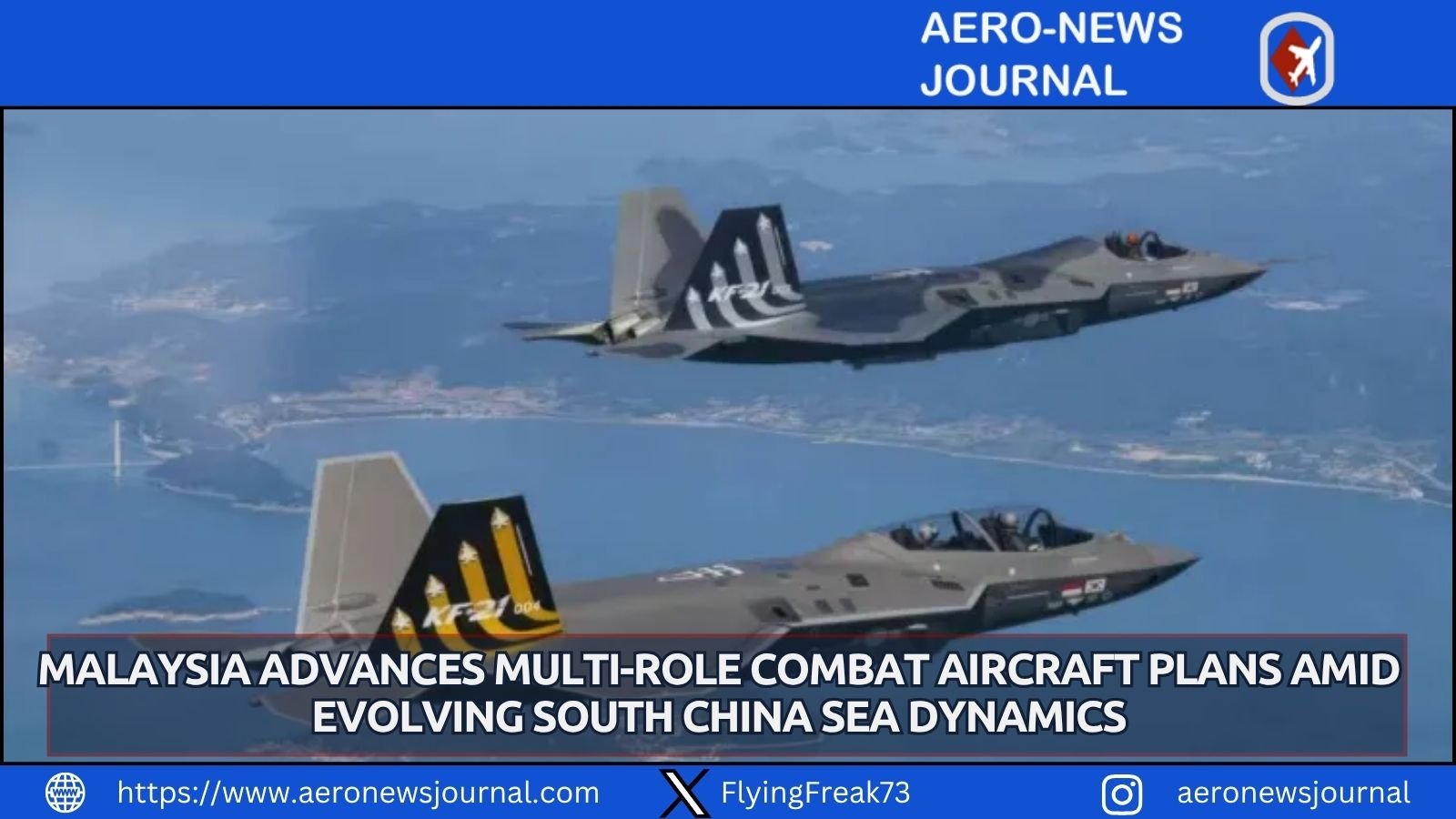
Kuala Lumpur, Aug. 17 – Malaysia accelerates its Multi-Role Combat Aircraft MRCA programme amid shifting South China Sea airpower dynamics and regional fighter modernisation that highlight the Royal Malaysian Air Force’s ageing combat fleet limitations. South China Sea uncertainty combined with neighbouring airpower advances exposes strategic gaps in the RMAF inventory ahead of the planned 2035 transition, prompting earlier requirements definition, budget positioning, and industrial preparation under the Thirteenth Malaysia Plan. Formal evaluation remains scheduled for 2029 or 2030, ensuring no premature selection while addressing two theatre defence demands.
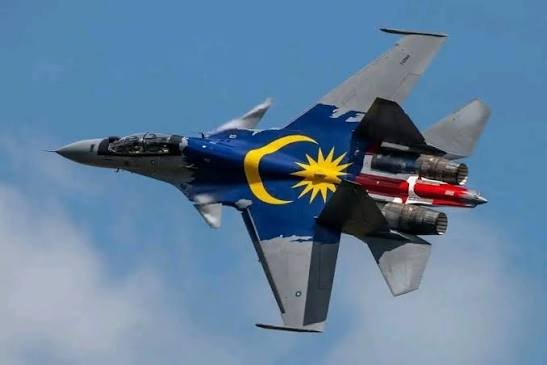
RMAF Chief General Datuk Seri Muhamad Norazlan Aris indicated acceleration as a contingency if current aircraft prove insufficient for operational needs, linking sufficiency to funding, logistics and sustainment. Defence Minister Datuk Seri Mohamed Khaled Nordin confirmed the advanced planning prioritising a second FA-50M phase yet clarifying evaluation timelines. Proposed interim Kuwaiti F/A-18C/D Hornets could reinforce the reduced F A 18D fleet, addressing MiG-29 gaps but face release delays, modifications and age-related issues preventing them from fully resolving deeper modernisation needs.
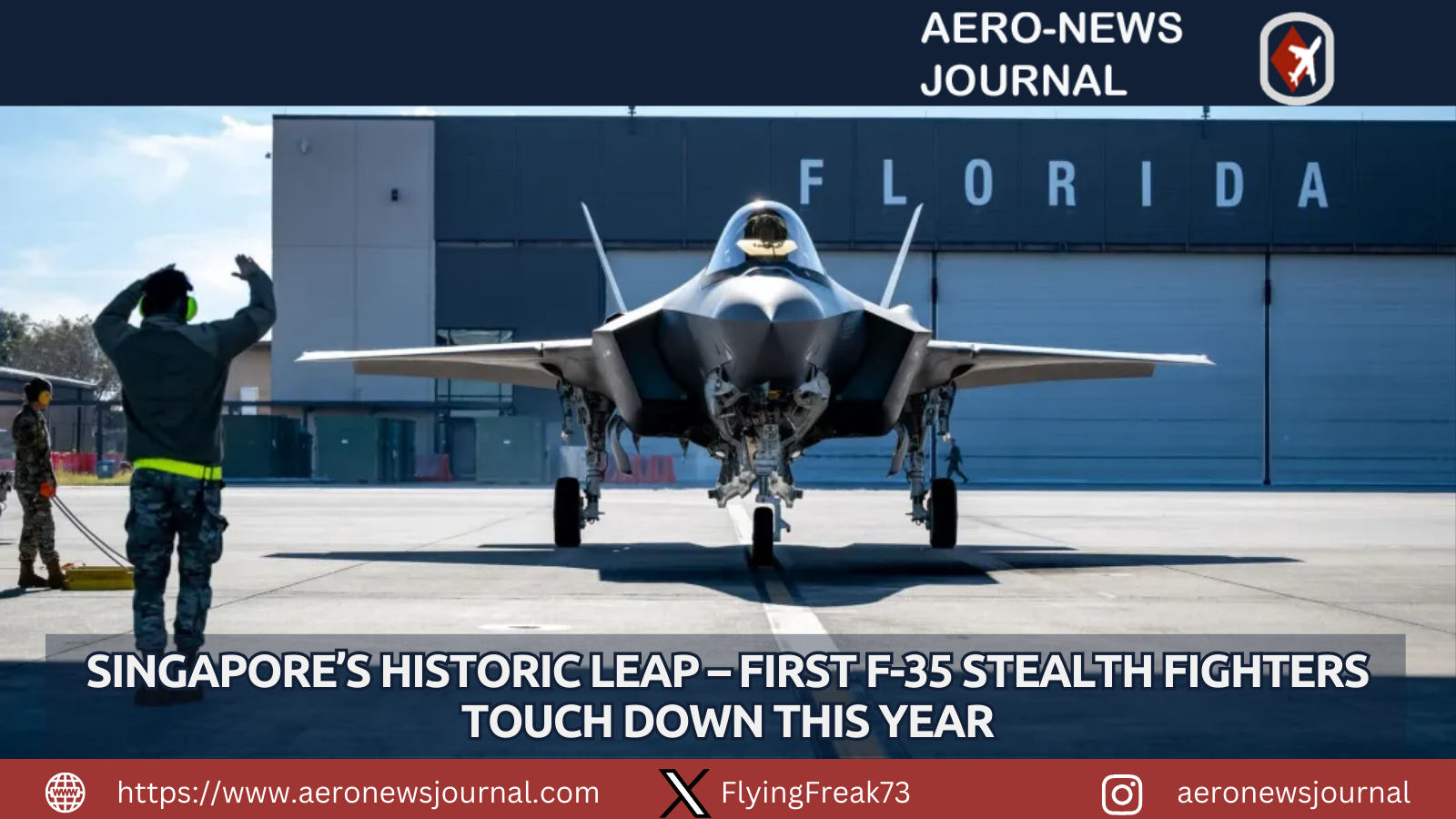
Indonesia Rafale and KAAN ambitions, Singapore F 35 induction, Thailand Gripen E F selection and Philippine fighter growth elevate regional sensor quality, weapons reach and survivability, creating capability pressure. South China Sea grey zone activities, including surveillance and unexpected approaches, further demand scalable responses, domain awareness and fighter availability without unsustainable mobilisation.

Malaysia focuses on range survivability, sensor fusion and sortie generation to safeguard airspace while preserving autonomy amid great power competition. Contenders such as KF-21 Boramae, Su-57E, Rafale, Eurofighter Typhoon and Gripen remain under exploratory review for technology and geopolitical alignment, ensuring synchronised force readiness before regional advances outpace existing capabilities.