

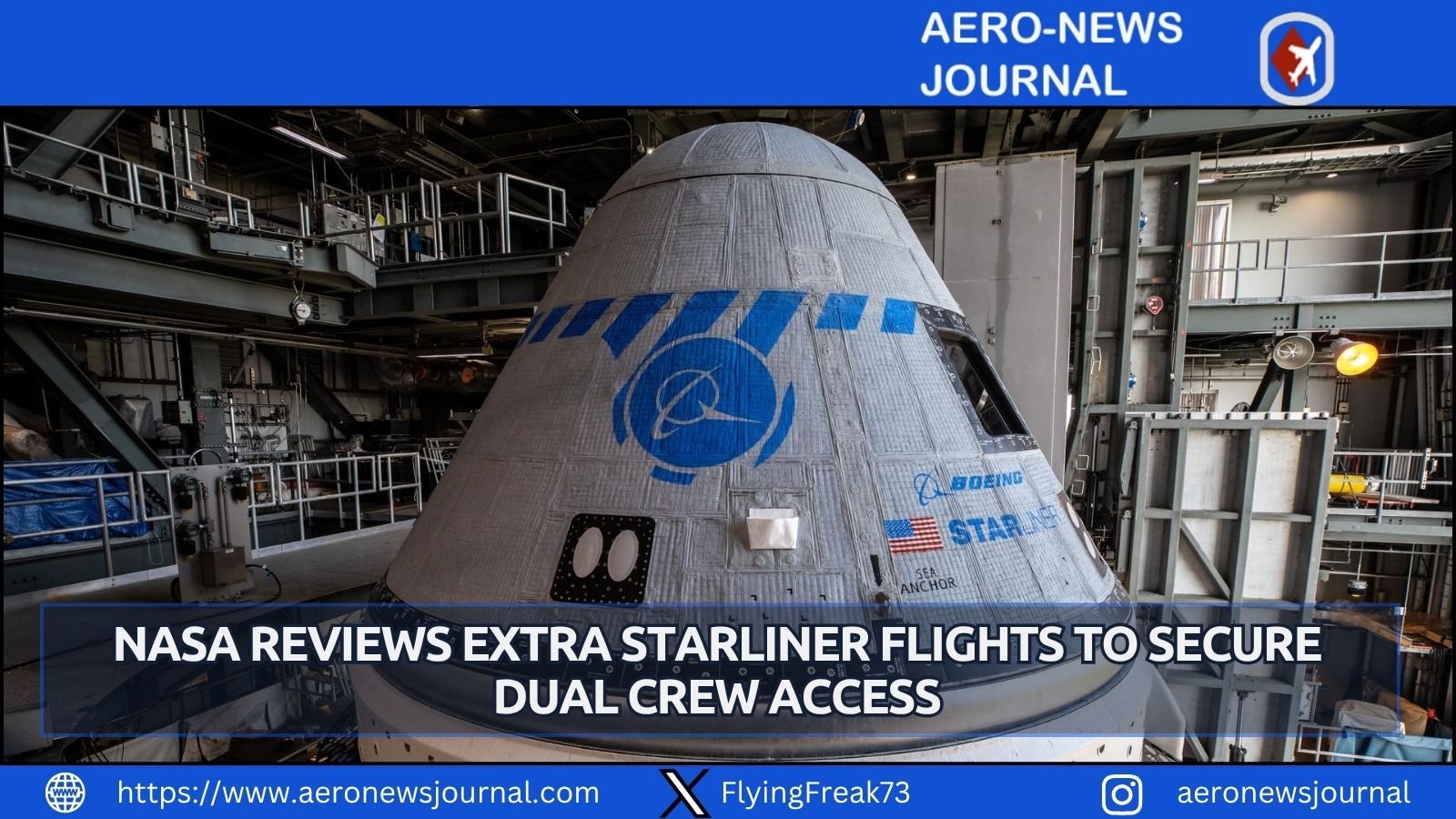
Washington, DC, Sept. 20 – NASA is in talks with Boeing about assigning the Starliner spacecraft new missions after the Wall Street Journal reported discussions covering ten or more flights in coming years. The NASA Starliner missions talks signal continued interest in Boeing as a second American crew transportation provider alongside SpaceX under the commercial crew program. Officials cited sources familiar with the matter when describing the potential expansion of Starliner flights to support low Earth orbit operations and future station access. This development arrives as NASA seeks reliable domestic astronaut transport options for the International Space Station and successor platforms.
Boeing stated it remains committed to NASA commercial crew efforts and looks forward to launching the next Starliner mission according to agency requirements. NASA did not immediately comment to Reuters, while an agency spokesperson told the Journal that plans for a sustained low Earth orbit presence are under development with details expected soon. The Boeing Starliner new flights conversation underscores NASA’s desire to maintain two certified U.S. vehicles rather than rely on a single provider. Such redundancy has been a core goal since the space shuttle retirement.
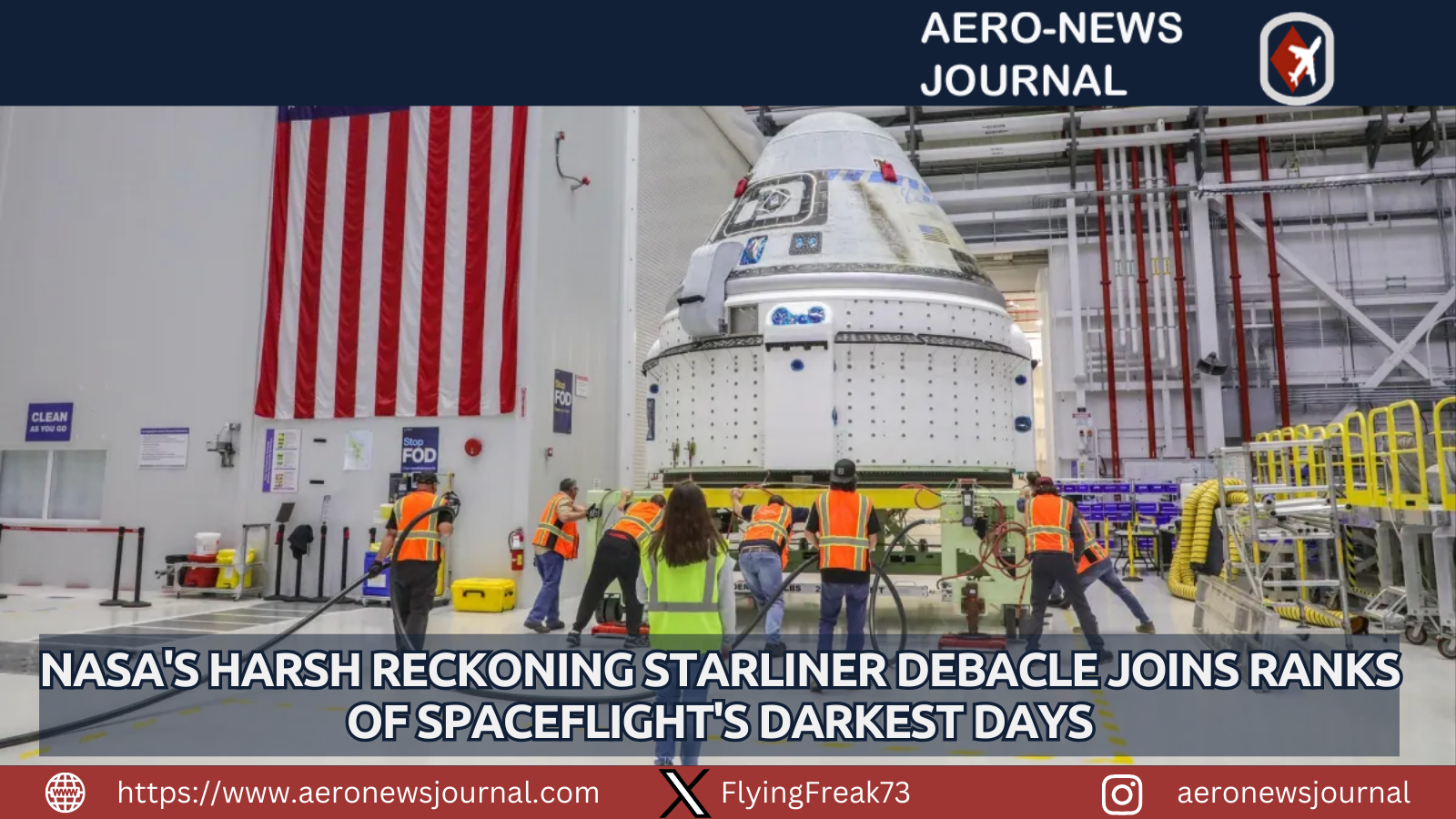
NASA selected Boeing and SpaceX in 2014 to restore independent American crew access after years of Soyuz dependence. Starliner encountered thruster and other issues during its 2024 crewed test flight, leading NASA to return the capsule uncrewed while astronauts Butch Wilmore and Suni Williams came home on a SpaceX Dragon after an extended International Space Station stay. Those technical setbacks delayed certification yet did not end the partnership. The current talks indicate NASA still views Starliner as viable for additional crew rotation missions.
Earlier the same day NASA awarded SpaceX a contract for three extra astronaut flights through 2030, illustrating parallel investment in both vehicles. Continued NASA Starliner mission discussions therefore complement rather than replace existing SpaceX arrangements. The outcome will shape U.S. human spaceflight capacity as the International Space Station approaches retirement and commercial stations emerge. Reliable dual-provider access remains essential for long-term American presence in orbit.