


Starbase, Texas, Sept. 29 – SpaceX Starship orbital debut marked a historic milestone as the massive reusable rocket achieved Earth orbit for the first time during its fourteenth test flight from Starbase Texas. The uncrewed Starship launch successfully lofted the upper stage after Super Heavy booster separation and deployed twenty-six next-generation Starlink V3 satellites as its inaugural commercial payload at an altitude of two hundred sixty-nine kilometers. This Starship test flight represented the program’s first operational mission carrying revenue-generating Starlink satellites after thirteen prior suborbital attempts spanning years of development.
The Super Heavy booster completed an engine-controlled splashdown in Gulf of Mexico waters following lift-off of the forty-story vehicle. After stage separation, one of Starship’s three main engines shut down prematurely, yet the remaining engines enabled the spacecraft to reach orbit and complete satellite deployments one by one. SpaceX Starship launch teams confirmed all twenty-six Starlink satellites were released and operating as planned during this first headed-to-orbit mission.
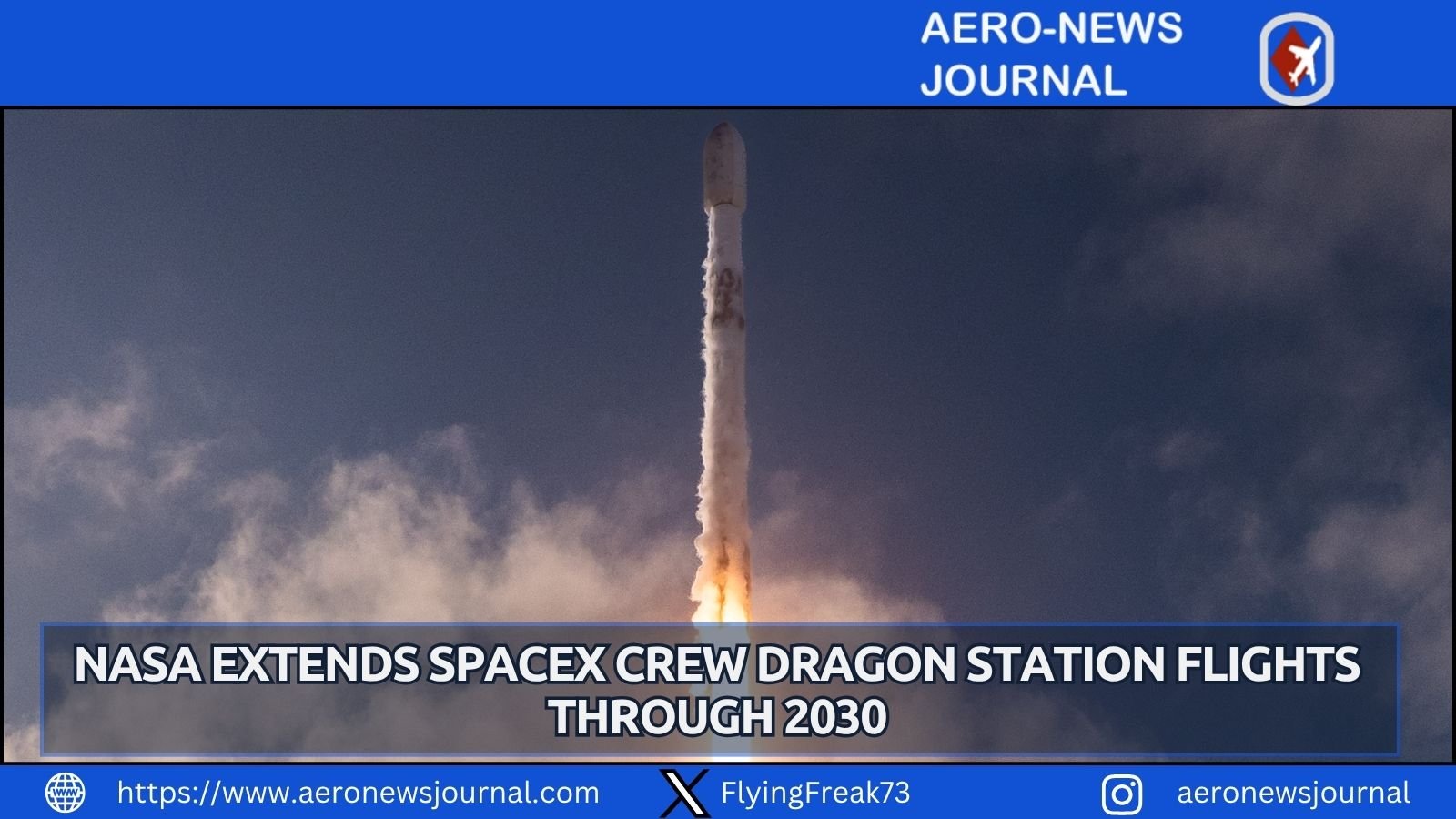
An engine issue prompted SpaceX to end the flight seven hours earlier than the original ten-hour schedule, reducing operations to three hours. Starship then executed a controlled Pacific Ocean descent using a thruster maneuver to flip vertically and impact the sea in a nose-up attitude before tipping over amid a fireball. Recovery of the upper stage was not planned for this Starship flight test.
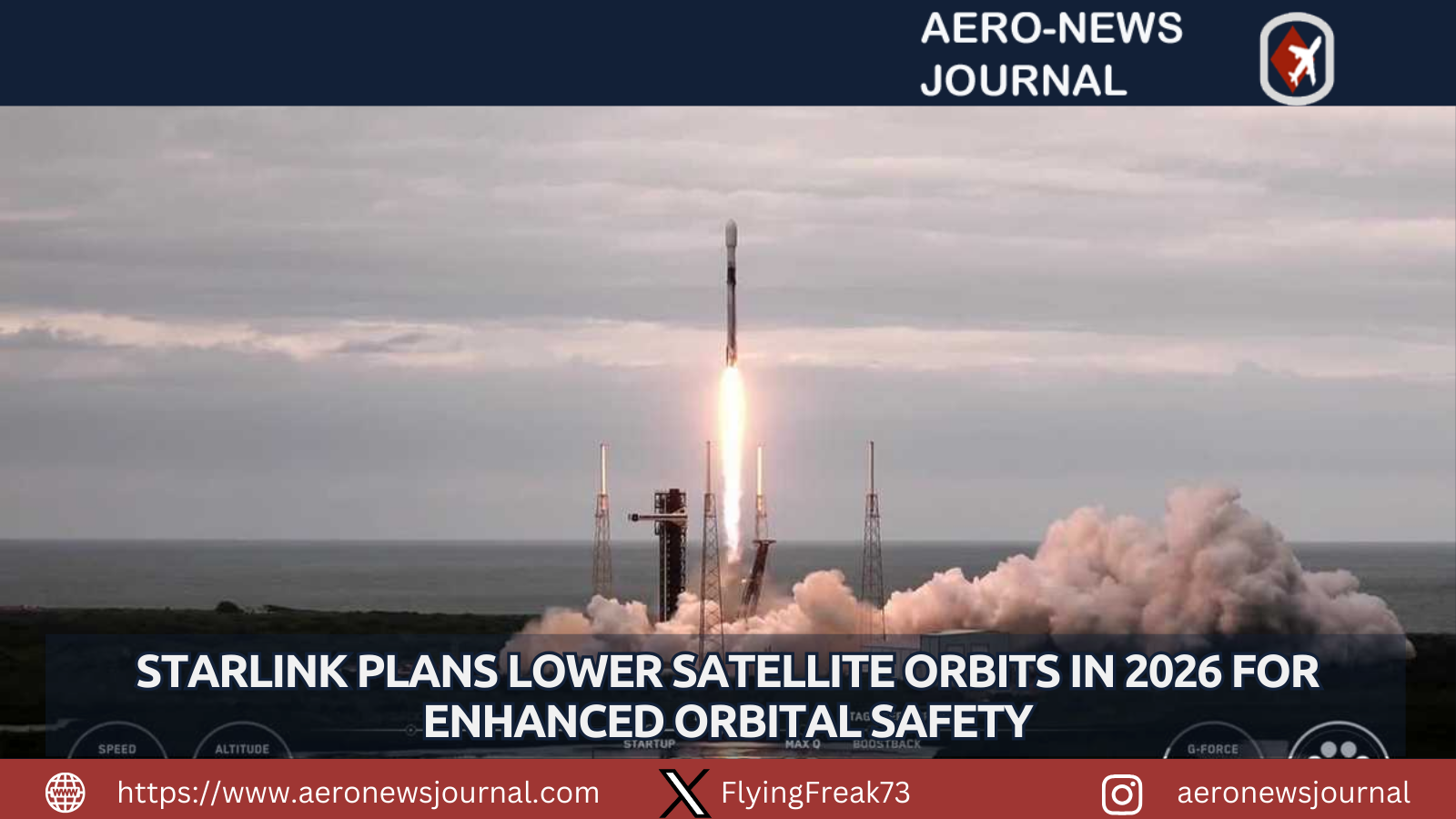
Reaching orbit with Starlink satellites deployed advances SpaceX goals for frequent Starship operations and faster constellation expansion using higher capacity V3 spacecraft. The fully reusable design remains under development after more than fifteen billion dollars invested, while SpaceX shares declined two percent on the day of the Starship orbital debut.