

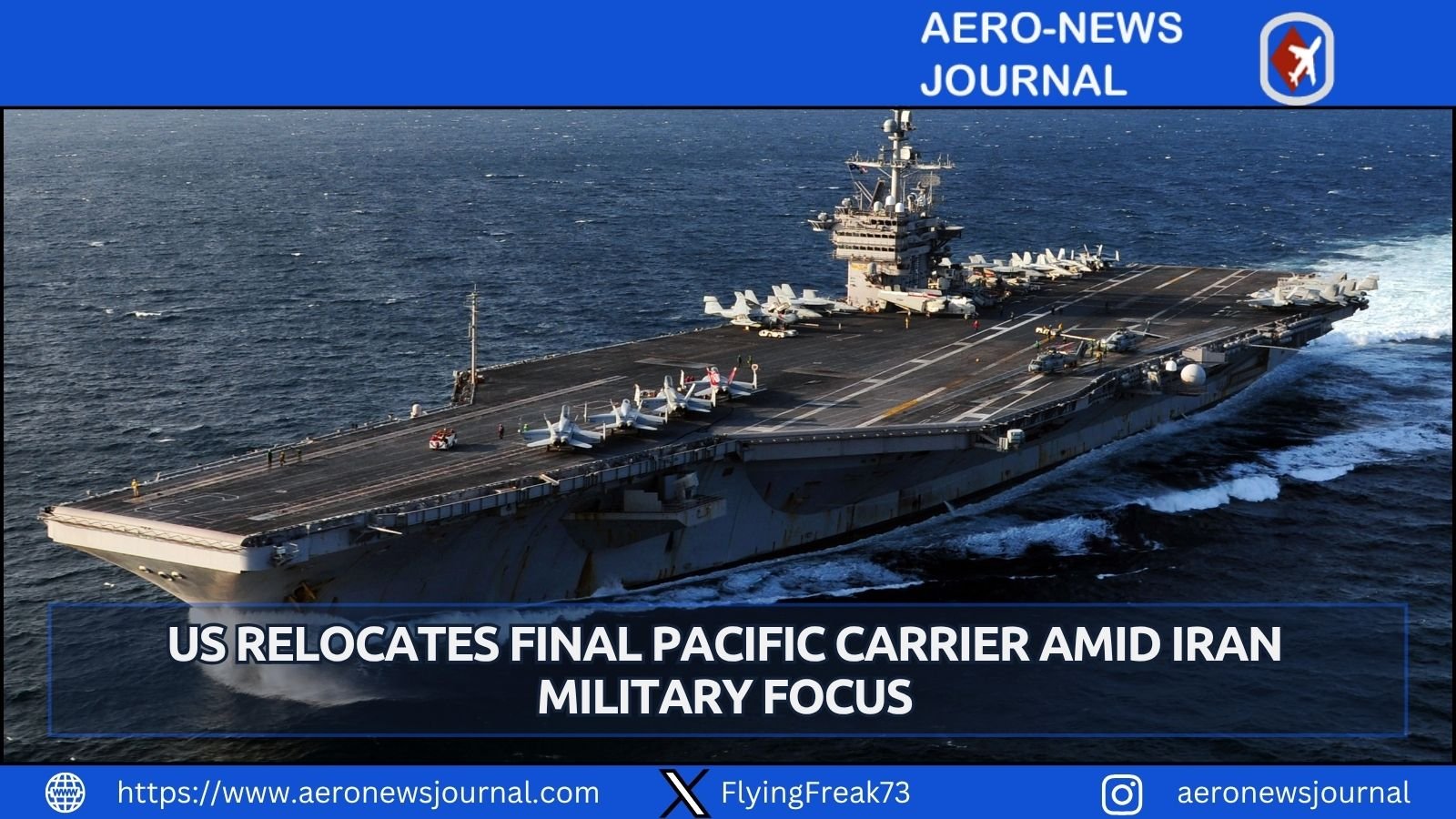
Washington, DC, Aug. 19 – The United States has temporarily withdrawn its last Asia-based aircraft carrier from the Western Pacific, prioritizing escalating tensions with Iran and shifting military focus toward West Asia operations. This US aircraft carrier withdrawal creates a notable gap in forward-deployed naval presence amid China’s expanding activities in the Indo-Pacific region, including areas near Taiwan and the South China Sea. The move underscores the challenges of balancing global commitments with limited resources in high-stakes geopolitical hotspots.
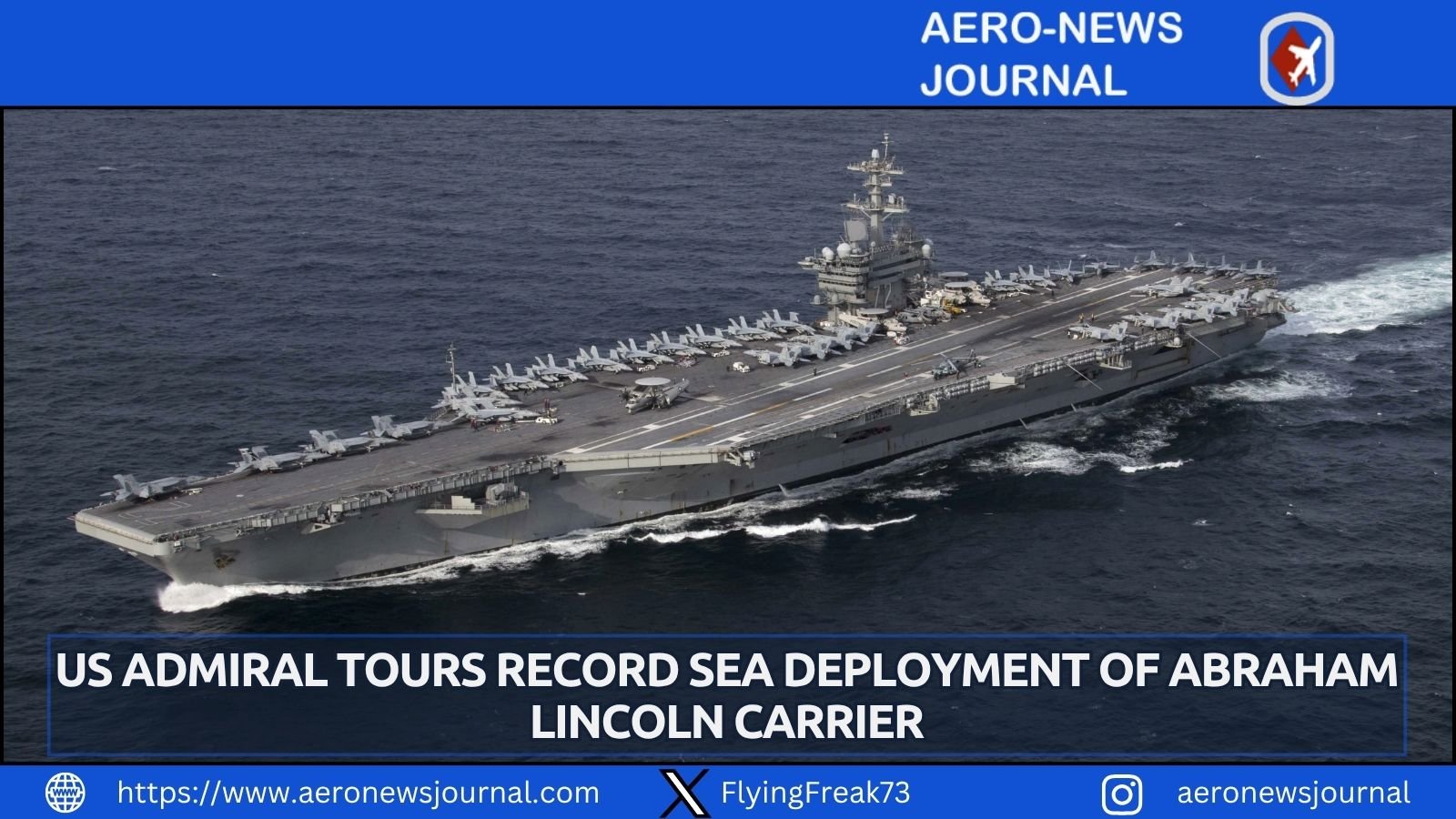
The USS George Washington has departed the Pacific and is en route to West Asia to relieve the USS Abraham Lincoln, which has endured more than eight months and over 260 consecutive days at sea supporting extended military actions against Iran. This redeployment aligns with the Trump administration’s emphasis on West Asia priorities, such as efforts to blockade Iranian ports, alongside broader attention to the Western Hemisphere, reflecting evolving strategic demands on American forces.
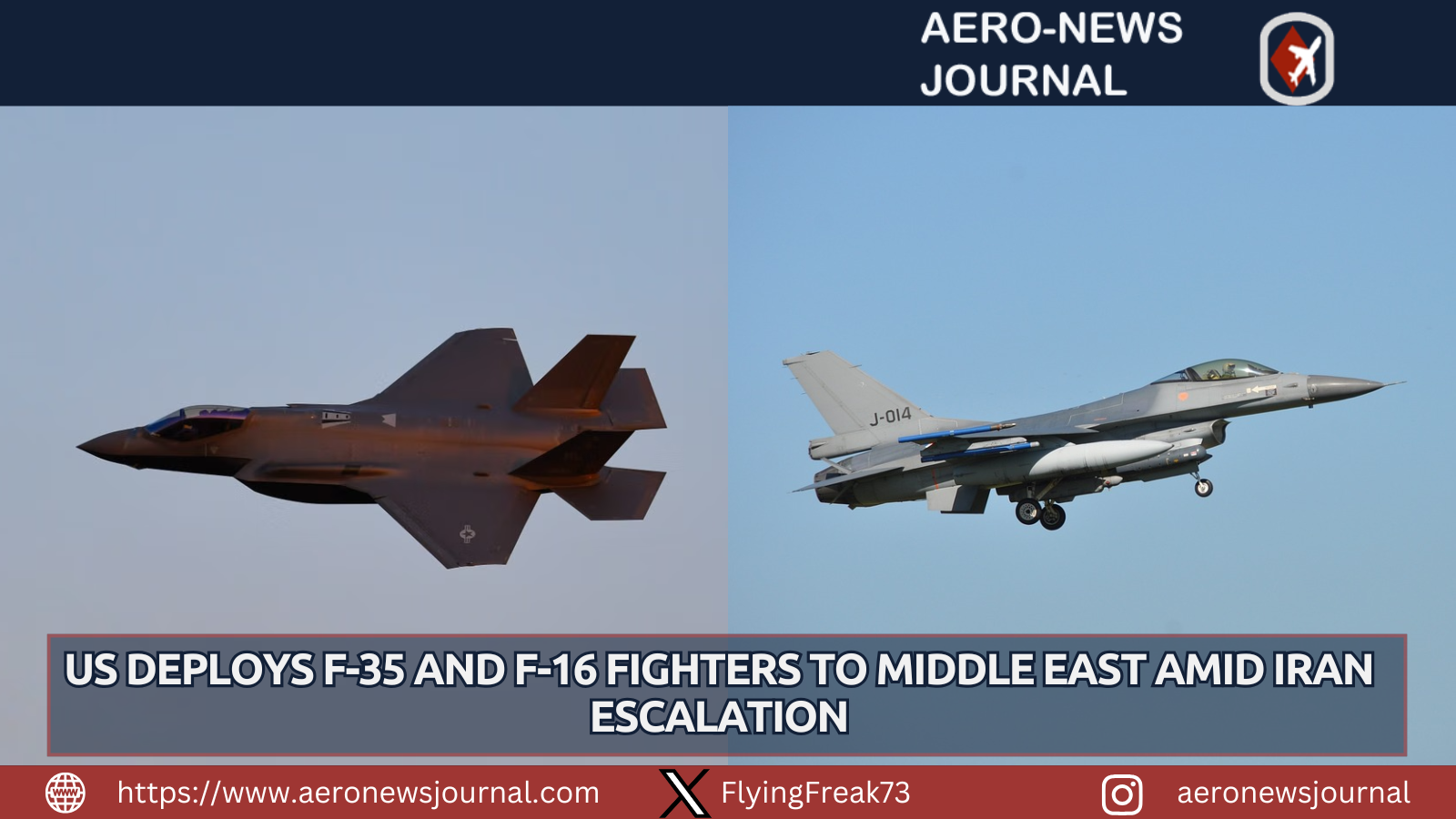
With only eleven aircraft carriers in the US Navy carrier fleet, the prolonged operational tempo highlights significant strain, including concerns over crew fatigue, supplies, and equipment maintenance as several vessels undergo repairs. Pentagon officials maintain that power can be flexibly shifted between theaters based on emerging threats, yet the reduced capacity limits simultaneous heavy presence in multiple zones.
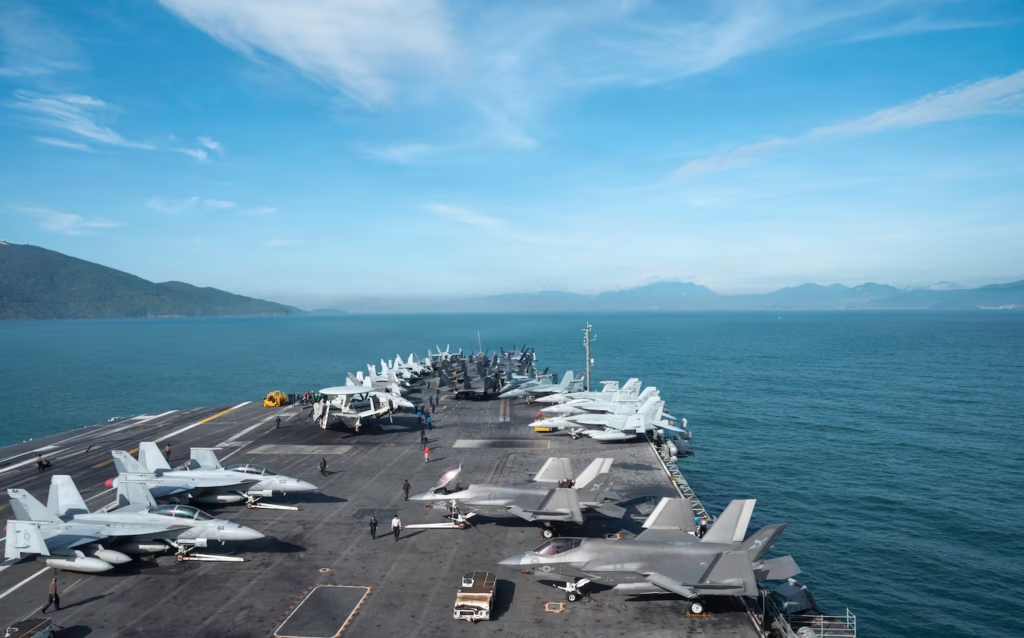
Allies in Asia express concerns that the absence of a forward-deployed carrier diminishes visible deterrence and rapid large-scale air power projection, though the US retains robust Indo-Pacific assets through bases, aircraft, vessels, and partnerships with Japan, South Korea, and Australia. This temporary carrier gap may resolve if Iran tensions ease, potentially allowing the USS George Washington or another group to return and restore full regional posture.