

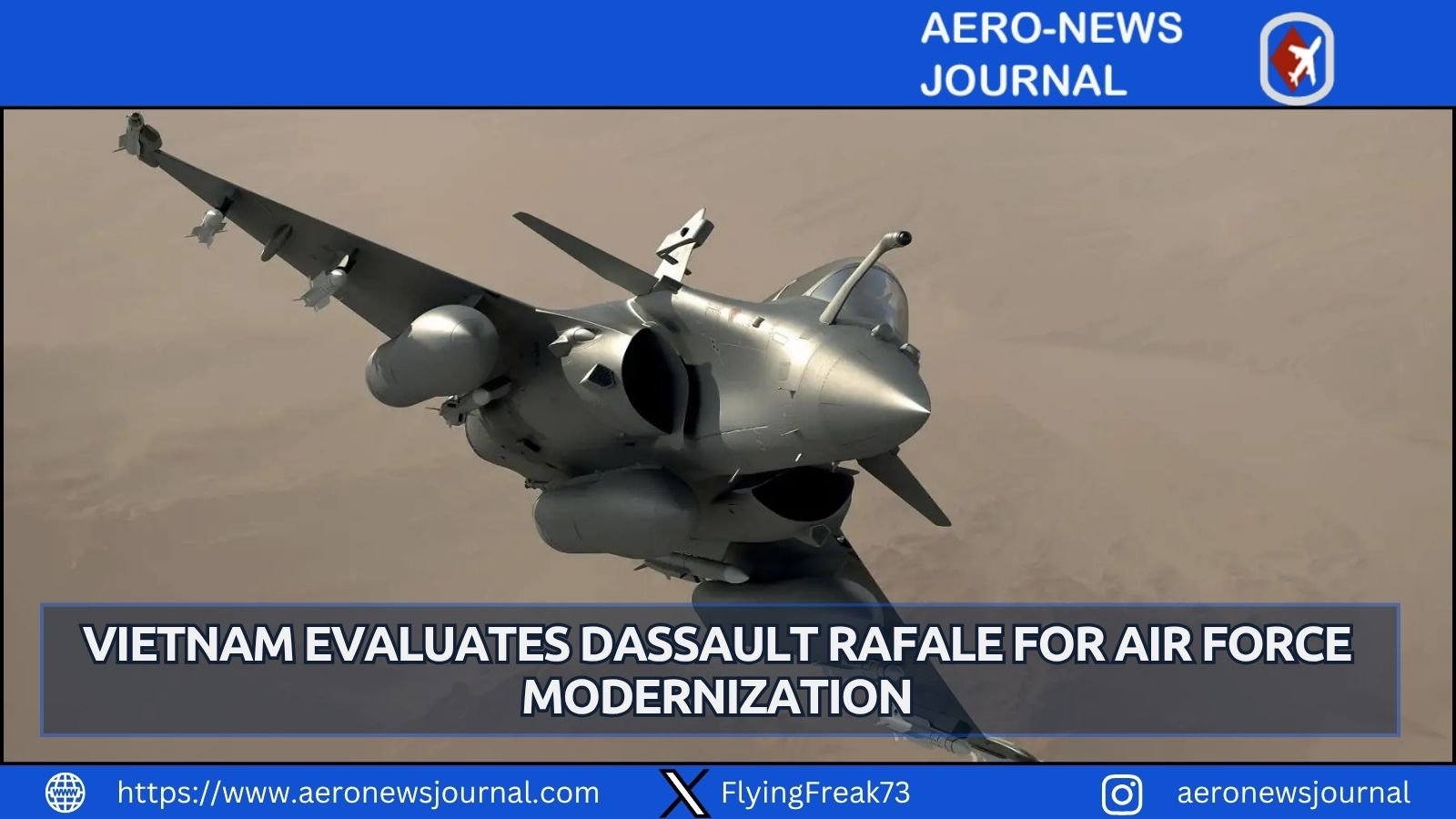
Hanoi, Sept. 20 – Vietnam’s air force modernization efforts have positioned the Southeast Asian nation as a potential next Dassault Rafale buyer amid growing regional security needs. Hanoi currently operates aging Soviet-era platforms such as the Su-22 Fitter, Su-27 Flanker, and SU-30MK2, prompting urgent upgrades against China’s J-16 Hidden Dragon and J-20 Mighty Dragon developments. Historical military ties keep Russia as Vietnam’s largest arms supplier, yet diversification toward South Korea, Israel, and the United States has accelerated since the 2016 embargo lift. Reports of possible Su-57 Felon acquisitions persist, but official confirmation remains absent, while Vietnamese pilots already trained on the French Rafale this year.
Moscow offered twelve to twenty-four Su-57E export stealth fighters for delivery in the early 2030s, yet production bottlenecks, sanctions, and limited annual output raise serious doubts about timely fulfillment. The aircraft has seen little combat use, leaving its real-world performance opaque compared with the proven 4.5-generation Dassault Rafale. Infrastructure upgrades required for fifth-generation jets further complicate a Russian deal, making the more affordable and immediately available Rafale an attractive alternative for air-superiority missions.
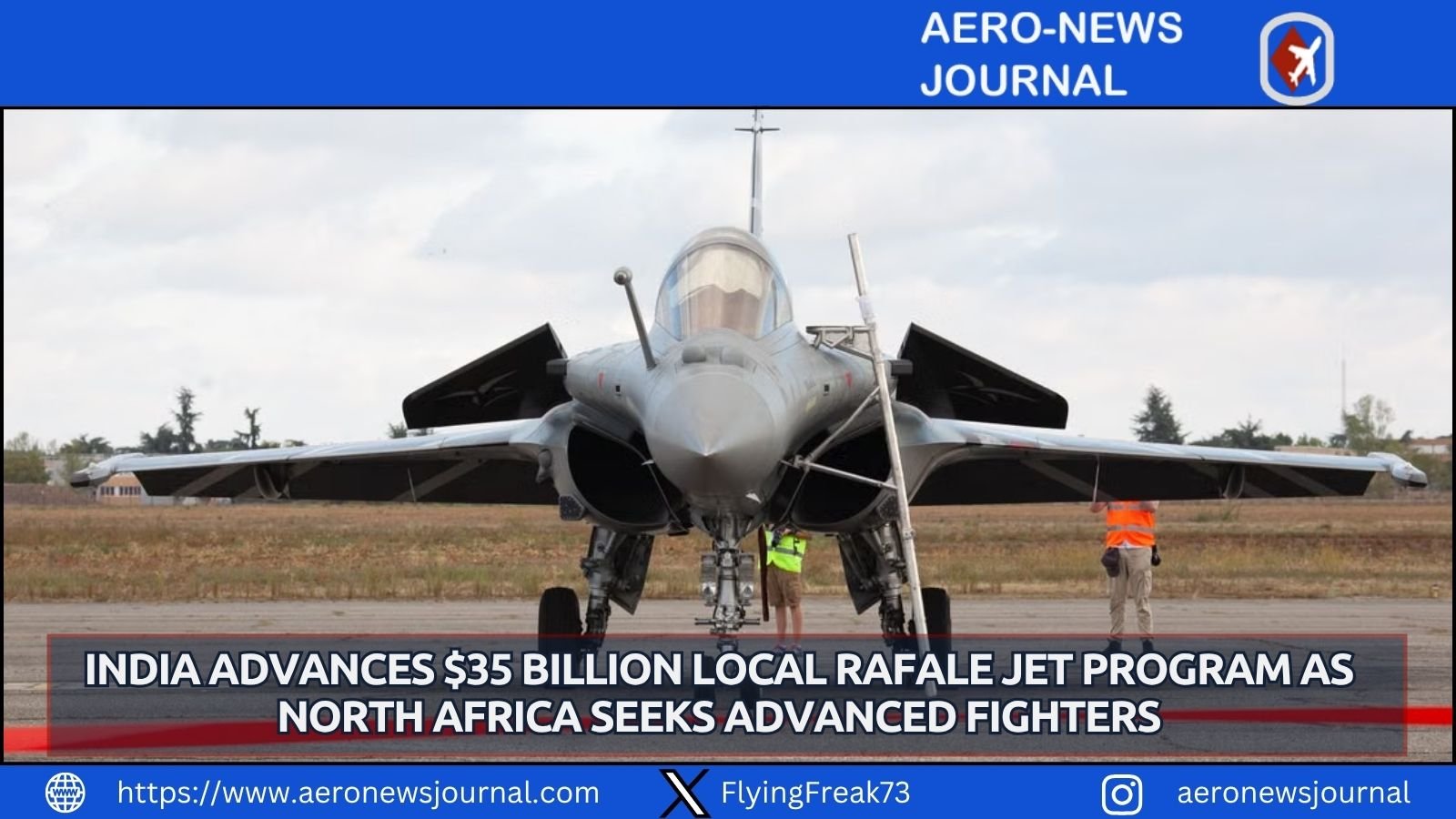
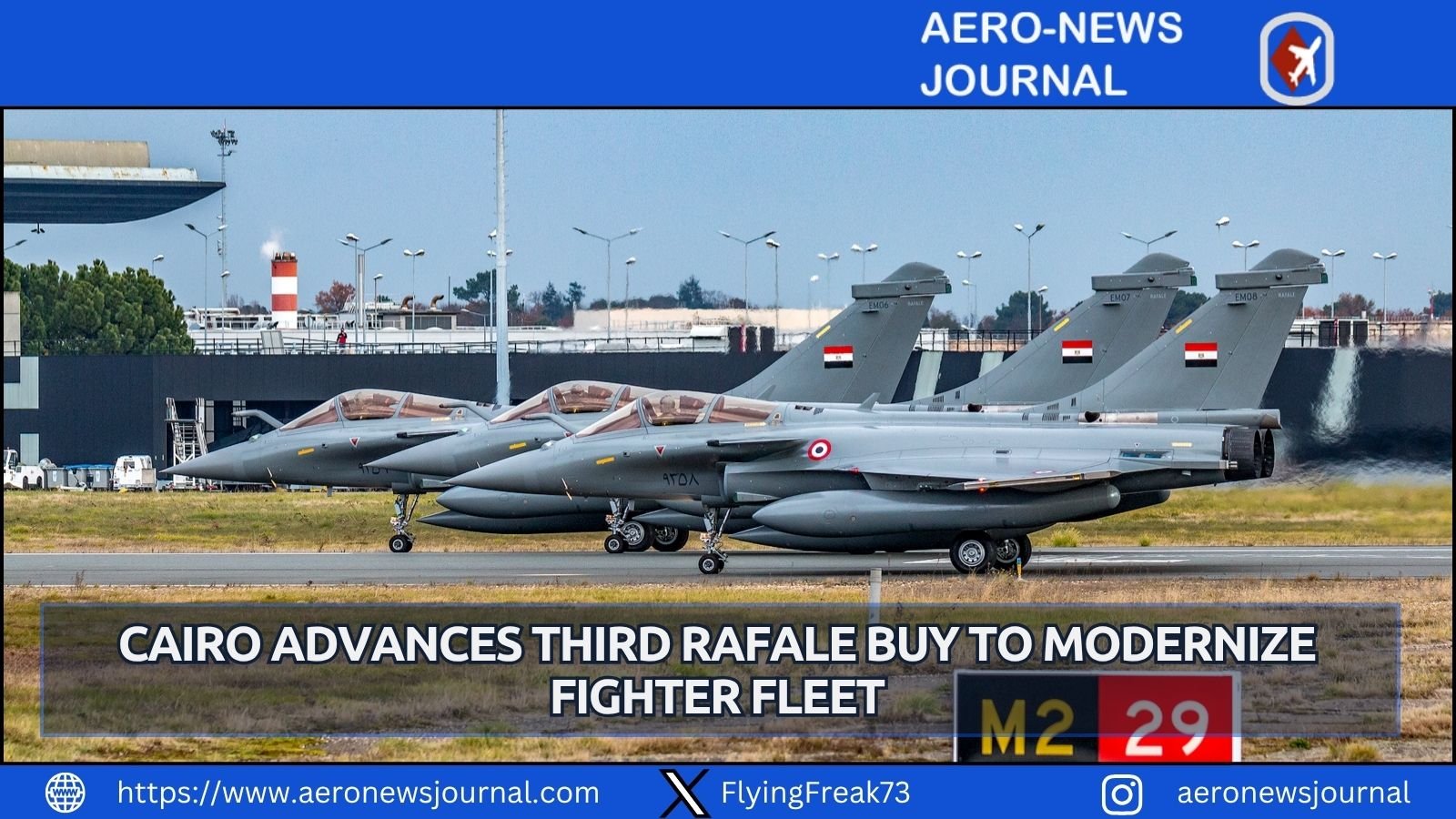
France and Vietnam elevated relations to a comprehensive strategic partnership in late 2024, expanding cooperation on commercial airliners, Earth-observation satellites and critical minerals during a recent high-level visit. A Rafale purchase would deepen those ties and give Dassault Aviation a stronger Southeast Asian foothold after successful sales to Egypt and India. Wildfire disruptions in France pose minor supply risks, yet overall production capacity remains far more reliable than Russian output.
Vietnam therefore appears likely to select the Dassault Rafale for near-term deliveries while keeping future Su-57 options open, enabling earlier capability gains and a possible stealth-fighter fleet by the mid-2030s. This dual-track approach supports national defense without locking Hanoi into a single supplier.