

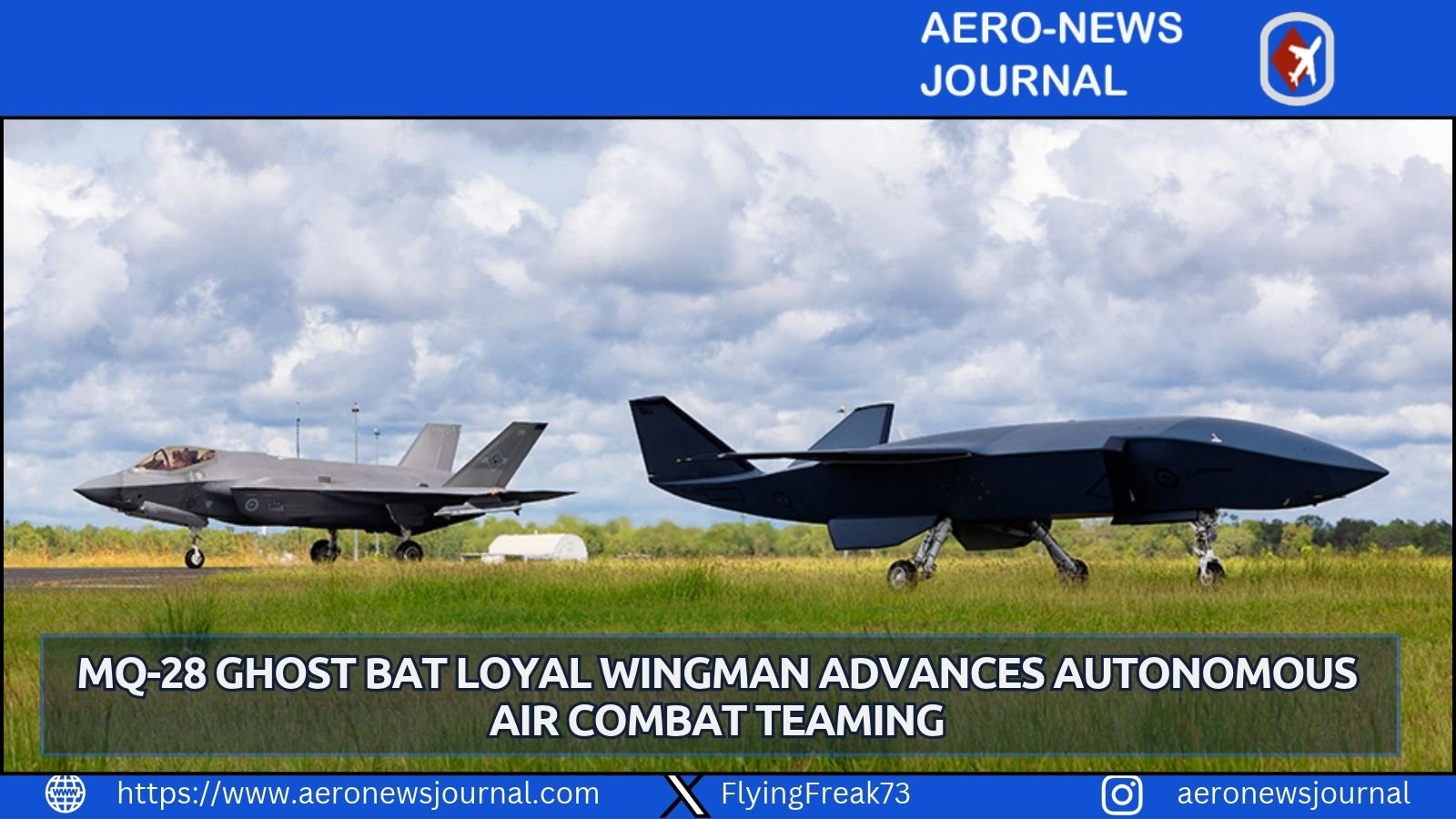
October 20 – The MQ-28 Ghost Bat stands as a pivotal collaborative combat aircraft reshaping modern air combat through its loyal wingman role. Developed by Boeing Defence Australia in partnership with the Royal Australian Air Force, this autonomous combat drone represents the first military aircraft designed and manufactured in Australia in more than fifty years. Its core purpose centers on manned-unmanned teaming, where the uncrewed platform multiplies the effectiveness of crewed fighters by conducting intelligence, surveillance, reconnaissance, electronic warfare, and strike tasks while absorbing risk and extending sensor reach. With an open-system architecture and modular mission nose, the MQ-28 Ghost Bat allows rapid payload swaps that keep the system adaptable to evolving threats without full redesigns.
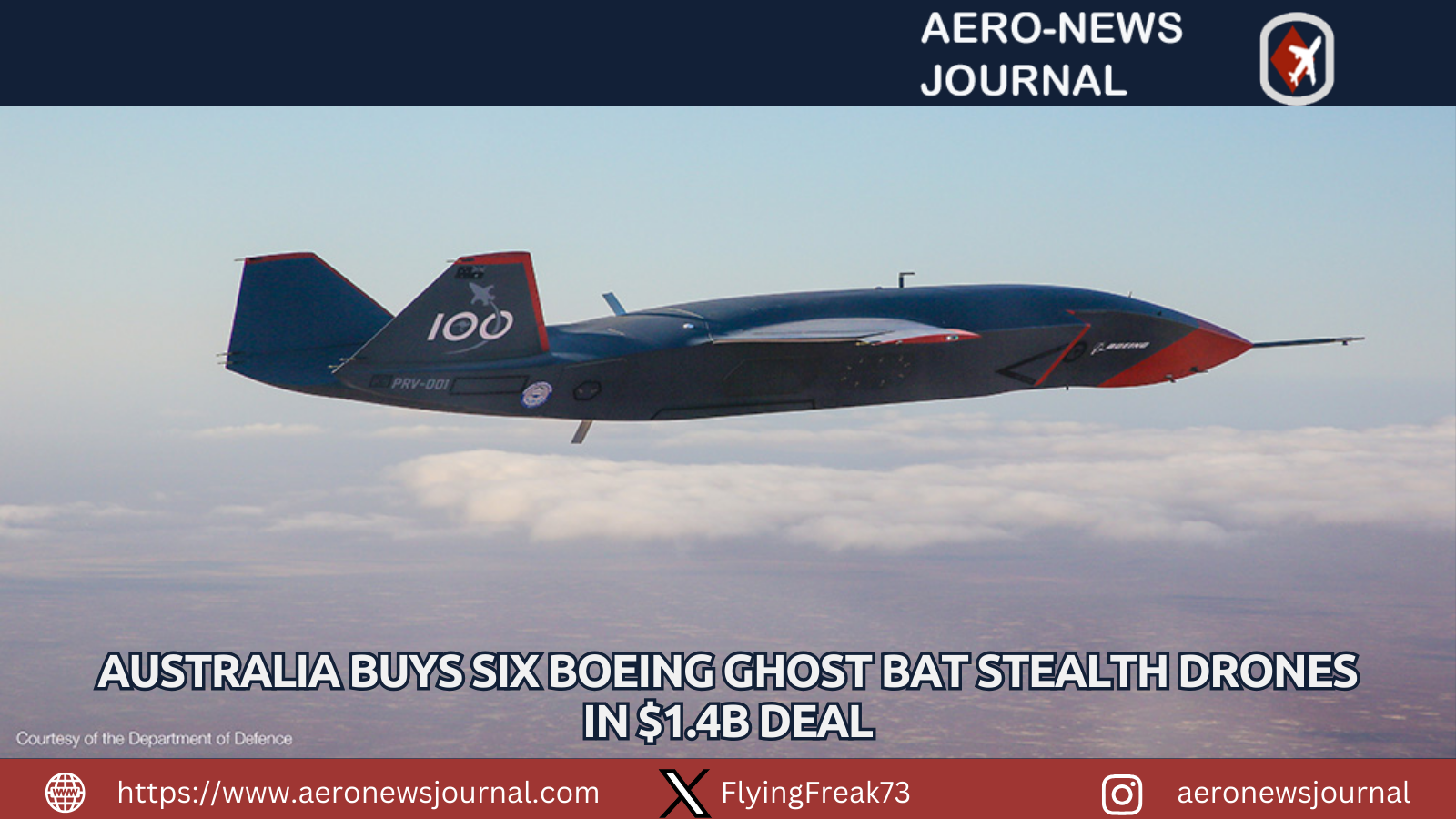
Measuring 11.7 meters in length with a 7.3-meter wingspan, the MQ-28 Ghost Bat achieves fighter-compatible speeds up to Mach 0.9 and operates above 40,000 feet. Its range exceeds 2,000 nautical miles, enabling long-endurance missions that accompany assets such as the F-35 or F/A-18 across vast theaters. Powered by a commercial turbofan engine, the aircraft relies on trusted autonomy to execute mission elements with minimal added workload for human pilots. Recent upgrades expand maximum takeoff weight toward 12,000 pounds, incorporate a larger wing for added fuel and stores, and introduce internal weapons bays capable of carrying two AIM-120 AMRAAM missiles or four small-diameter bombs, preserving low-observable characteristics while adding kinetic options.
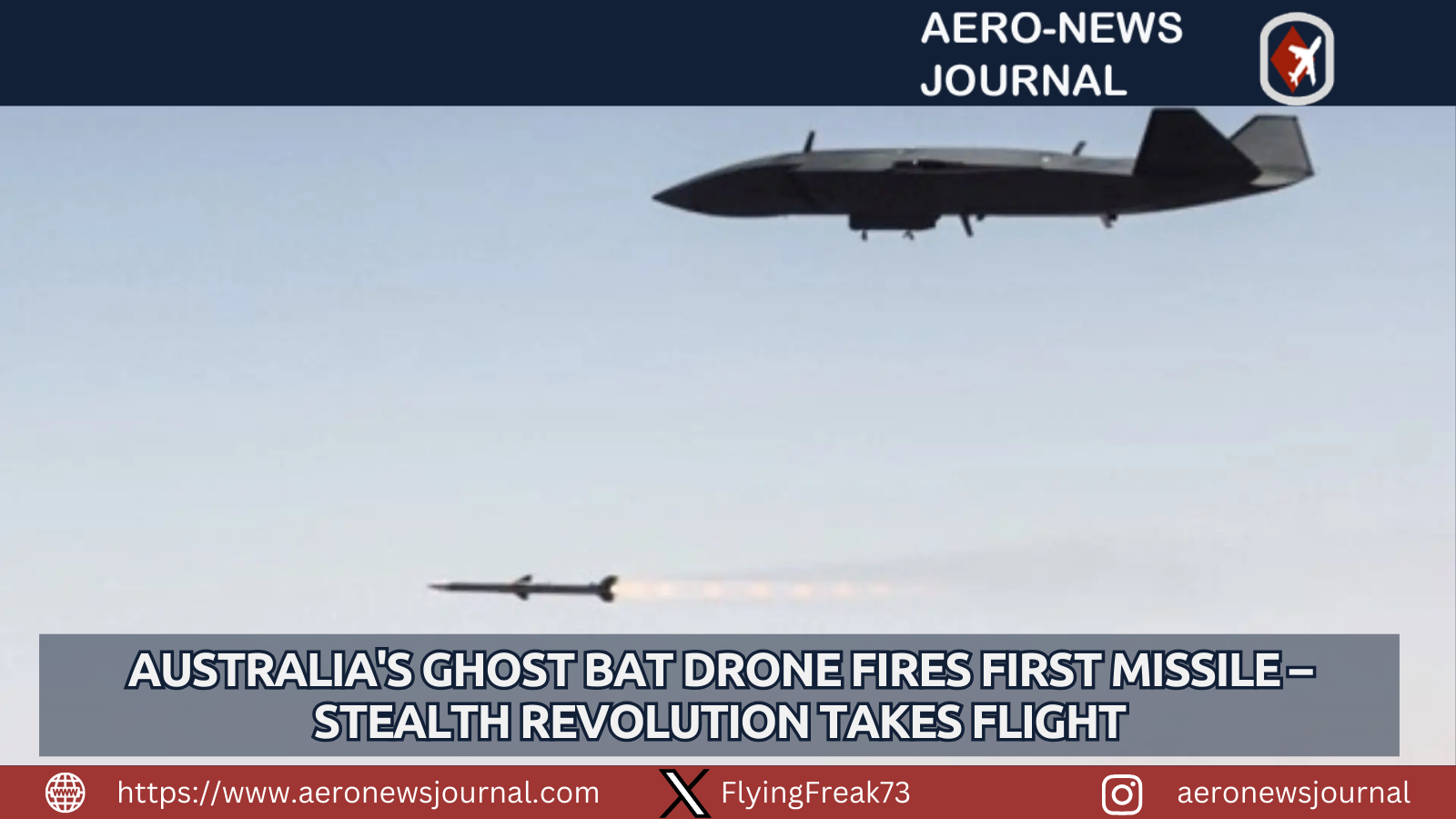
Flight testing has validated these capabilities at pace. The prototype completed its first flight in February 2021, and the program has since logged well over one hundred sorties plus extensive digital simulations. In December 2025, the MQ-28 Ghost Bat demonstrated end-to-end autonomous combat by teaming with an E-7A Wedgetail and an F/A-18F Super Hornet to launch an AIM-120 missile and destroy an airborne target. Such results mirror broader collaborative combat aircraft progress, including a recent United States Air Force demonstration in which an F-22 Raptor pilot served as an airborne quarterback, issuing high-level tactical directives to a YFQ-44A that its onboard autonomy software interpreted and executed through dynamic maneuvers and simulated combat tasks. These events underscore how crewed platforms retain command authority while uncrewed systems handle detailed execution.
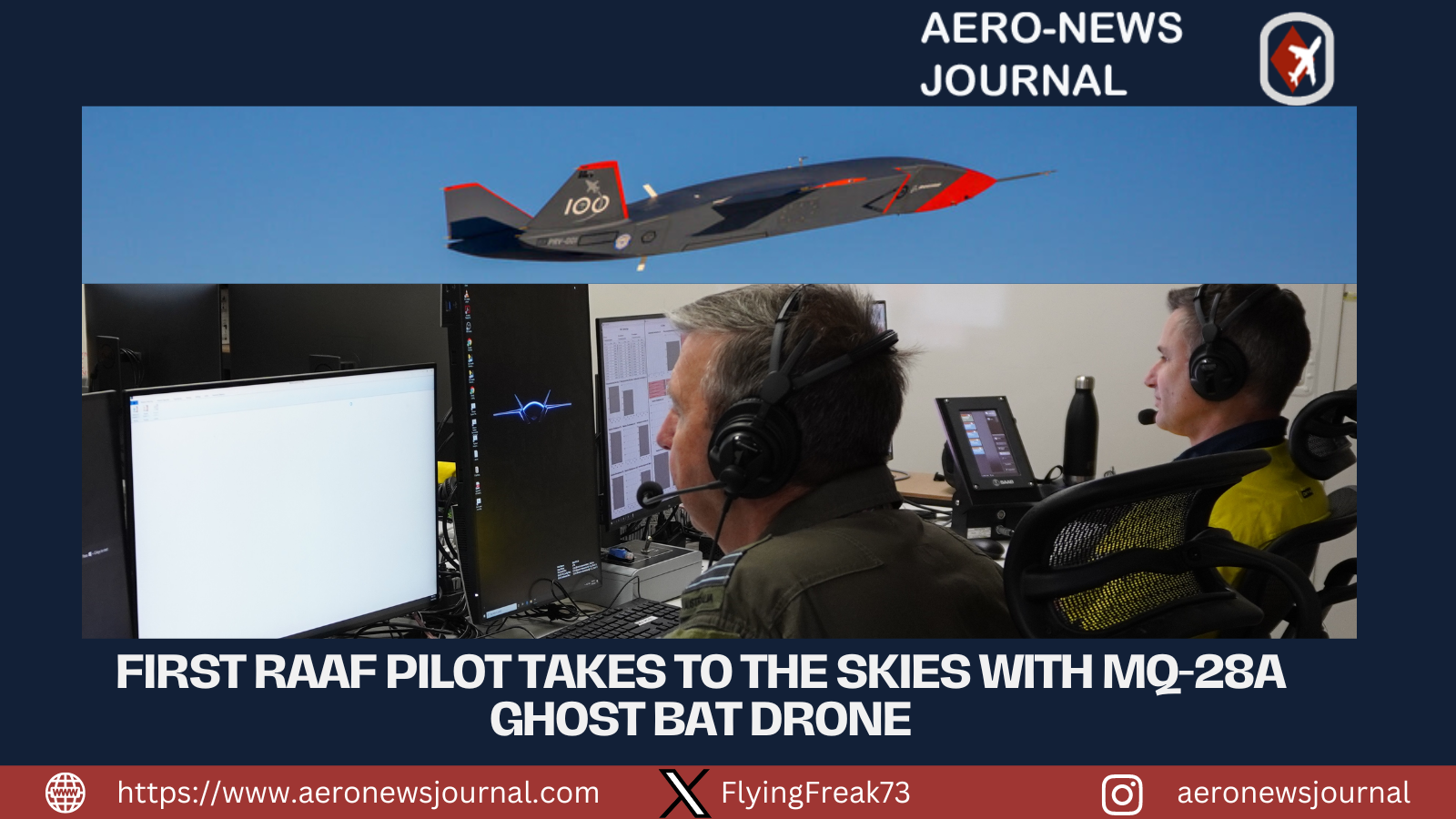
Looking ahead, the MQ-28 Ghost Bat is positioned for initial operational capability with the Royal Australian Air Force around 2028, supported by additional production under the AIR6015 program. Its combination of affordable mass, modular flexibility, and proven manned-unmanned teaming offers a scalable force multiplier that reduces exposure of high-value crewed assets in contested airspace. As allied air forces integrate similar collaborative combat aircraft concepts, the Ghost Bat’s maturity and Australian-origin design provide a practical path toward more resilient, distributed air combat architectures capable of meeting high-end threats with greater persistence and lower overall risk.