

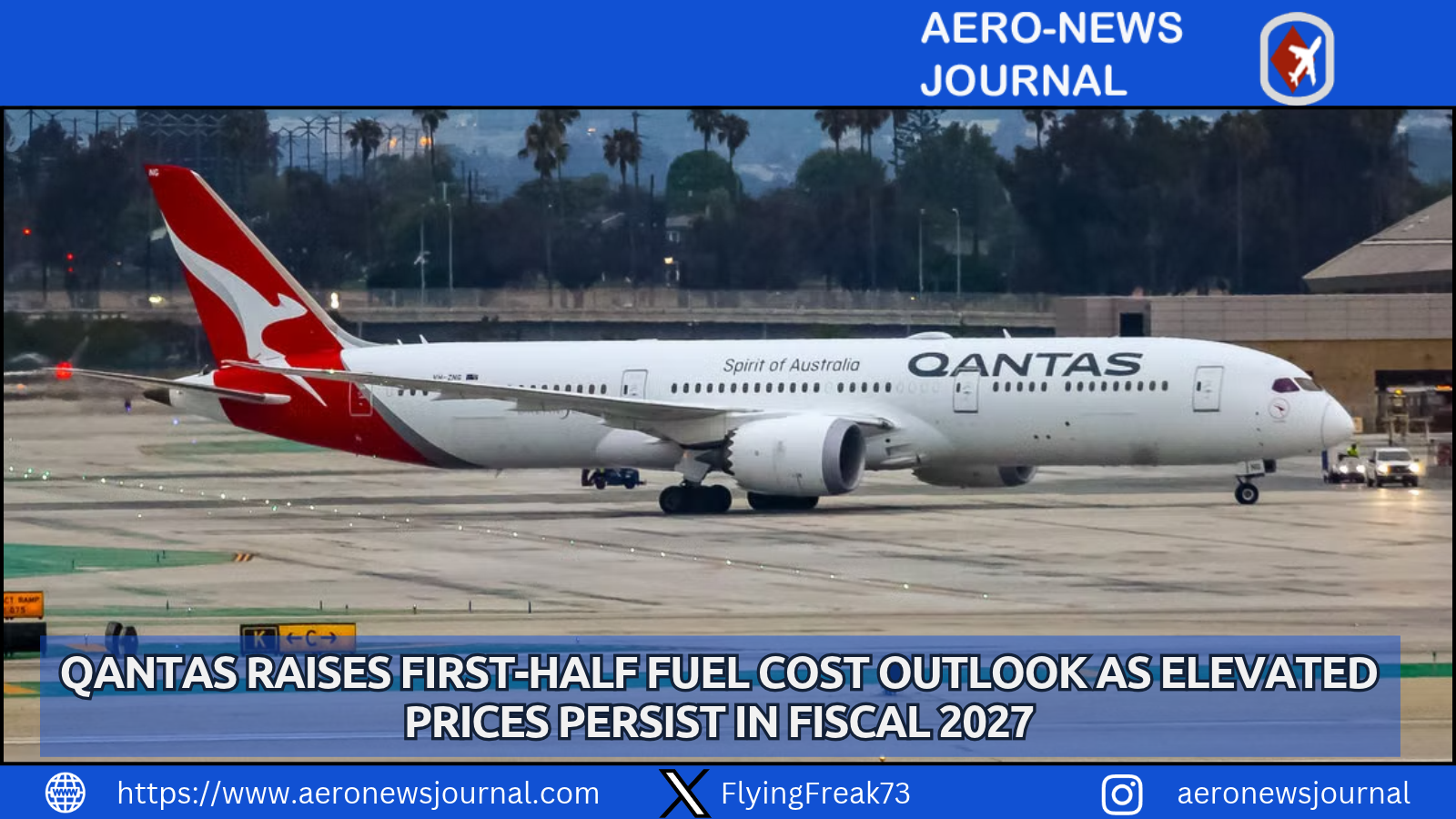
Sydney, Nov. 11 – Australia’s largest airline Qantas has lifted its first-half fuel cost forecast for fiscal 2027 amid expectations that elevated fuel prices will persist through the period. The carrier anticipates ongoing pressures from high jet fuel costs challenging the aviation industry.
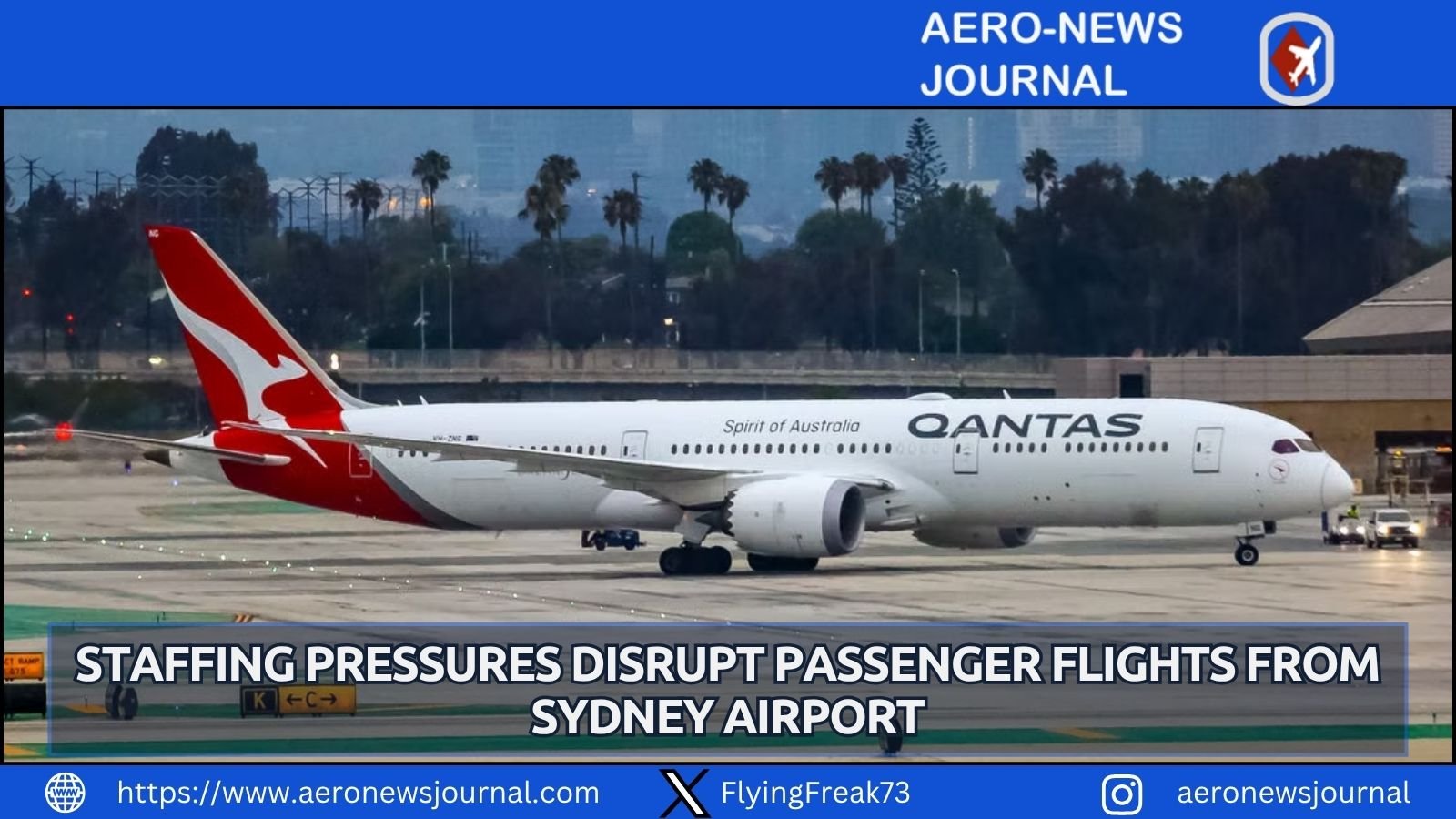
Qantas now projects a fuel bill of A$3.75 billion for the six months ending December 31, a rise of about 4 percent or A$150 million compared with guidance issued in August. This update reflects current forward curves showing fuel prices remaining elevated for the rest of the financial year based on market conditions.
The airline is approximately 85 percent hedged for the full fiscal year, predominantly in Brent crude oil, which helps manage volatility in a major expense. Qantas has adjusted fares and capacity in response to higher fuel costs and intends to continue such measures while demand remains resilient as customers prioritise travel.

Group domestic and international total unit revenue are each expected to grow by 8 to 10 percent in the first half, unchanged from prior guidance. Full-year net capital expenditure is now forecast at the lower end of the A$4.3 billion to A$4.6 billion range, supporting careful investment planning despite elevated fuel prices in Australia’s key airline market.