

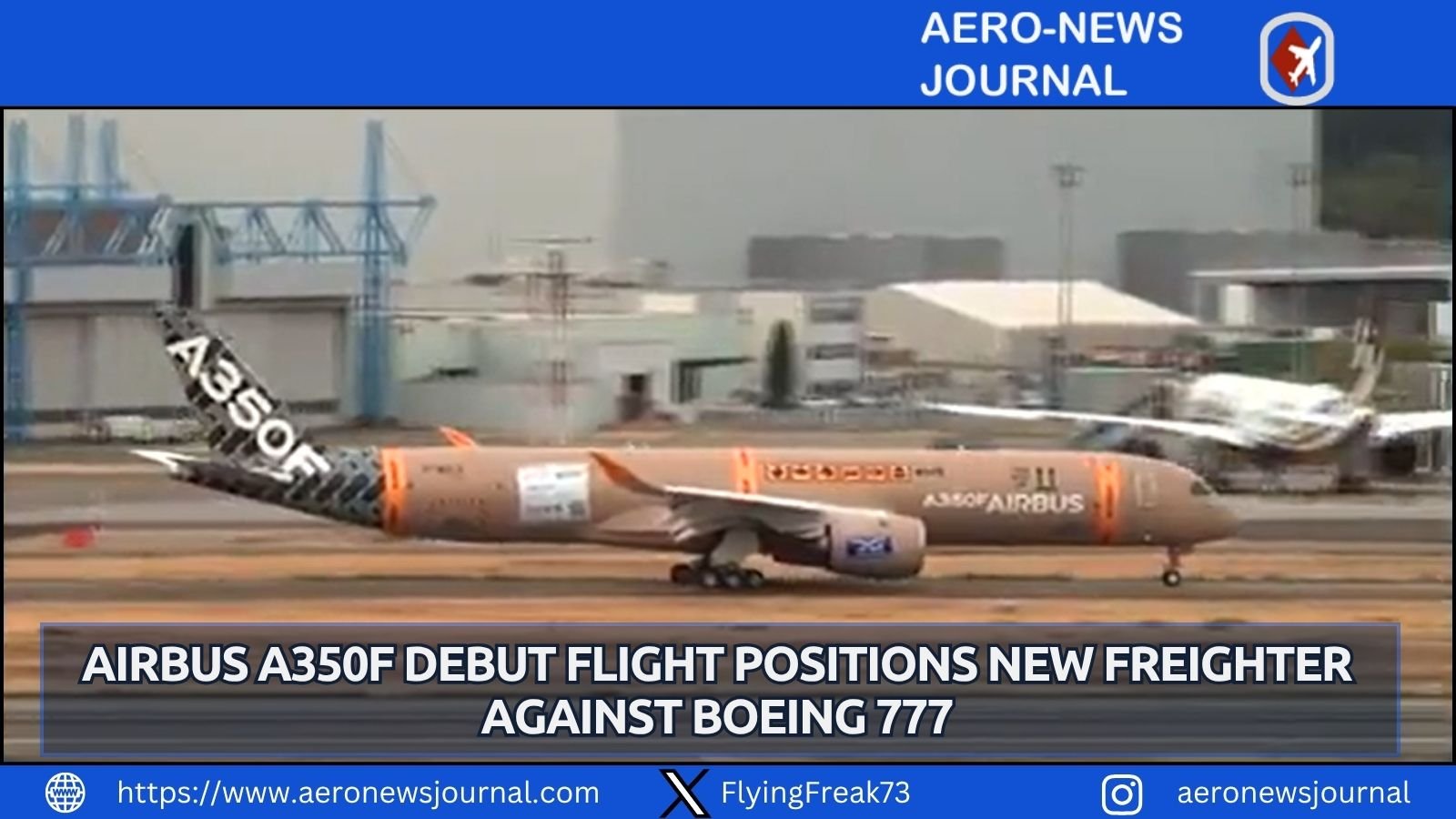
Toulouse, Sept. 30 – Airbus completed the maiden flight of its new A350F freighter on September 29, 2026, from Toulouse, France, as the European manufacturer expands its cargo aircraft portfolio to challenge Boeing control of vital global air freight trade routes. The windowless A350F variant of the proven A350 long-haul jet lifted off smoothly for a four-hour inaugural test flight that launched a demanding nine-month certification campaign ahead of planned entry into service during 2027. This Airbus A350F freighter maiden flight represents a calculated strategic move into the high-capacity cargo market where Boeing 777 series freighters have long held a commanding position among airlines and logistics operators worldwide.
Missed the #A350F's first takeoff? We have you covered.
— Airbus (@Airbus) September 29, 2026
Watch the exact moment our new freighter left the ground in Toulouse. pic.twitter.com/2h3m77Hull
The A350F cargo aircraft incorporates advanced composite materials, fuel-efficient engines, and a large main deck cargo door designed to accommodate standard freight containers and pallets with greater payload efficiency than many existing widebody freighters. Certification trials will rigorously evaluate structural integrity, flight handling systems reliability, and operational performance under varied conditions before commercial deliveries begin. Airbus aims to position the A350F as a direct competitor to the Boeing 777F, offering airlines lower operating costs, longer range, and improved environmental performance in an era of rising e-commerce and time-sensitive cargo demand.

Industry observers note that successful A350F certification and timely 2027 service entry could reshape competition between Airbus and Boeing in the dedicated freighter segment after years of passenger-focused development. The program had faced delays, yet the first flight confirmation signals renewed momentum for Airbus cargo aircraft ambitions. Operators seeking modern, efficient replacements for aging Boeing 747 and 777 freighters now have a new widebody option that leverages A350 family commonality for reduced training and maintenance expenses.
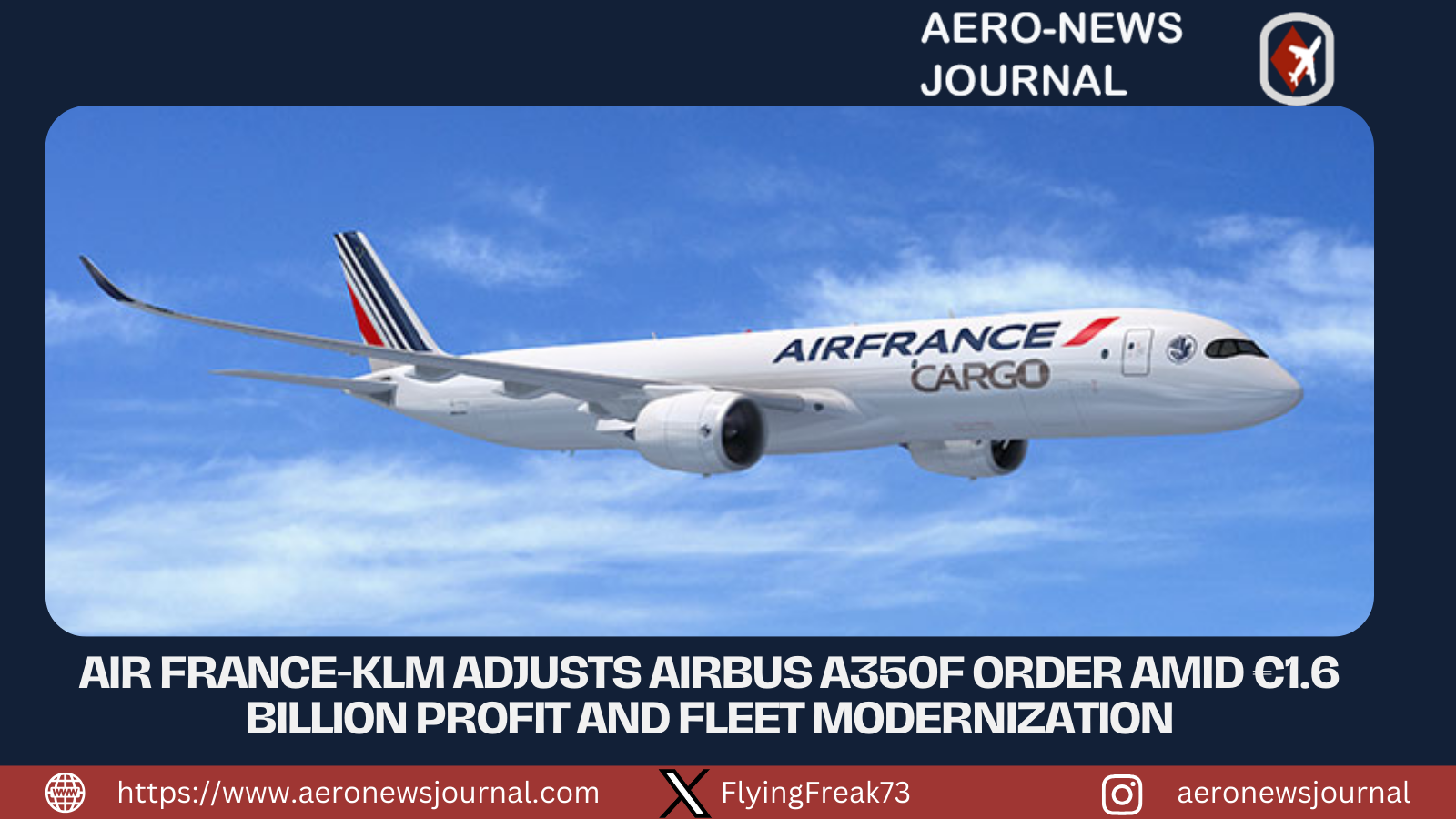
Demand for dedicated cargo aircraft remains robust, driven by global supply chain needs and the limitations of passenger belly cargo capacity. The A350F freighter therefore arrives at a pivotal moment, allowing Airbus to contest Boeing 777 dominance while providing airlines with a next-generation platform for profitable long-haul freight operations. Successful market uptake of the A350F could strengthen Airbus’s overall commercial aircraft position and intensify competition across both passenger and cargo sectors of the aviation industry for years ahead.