

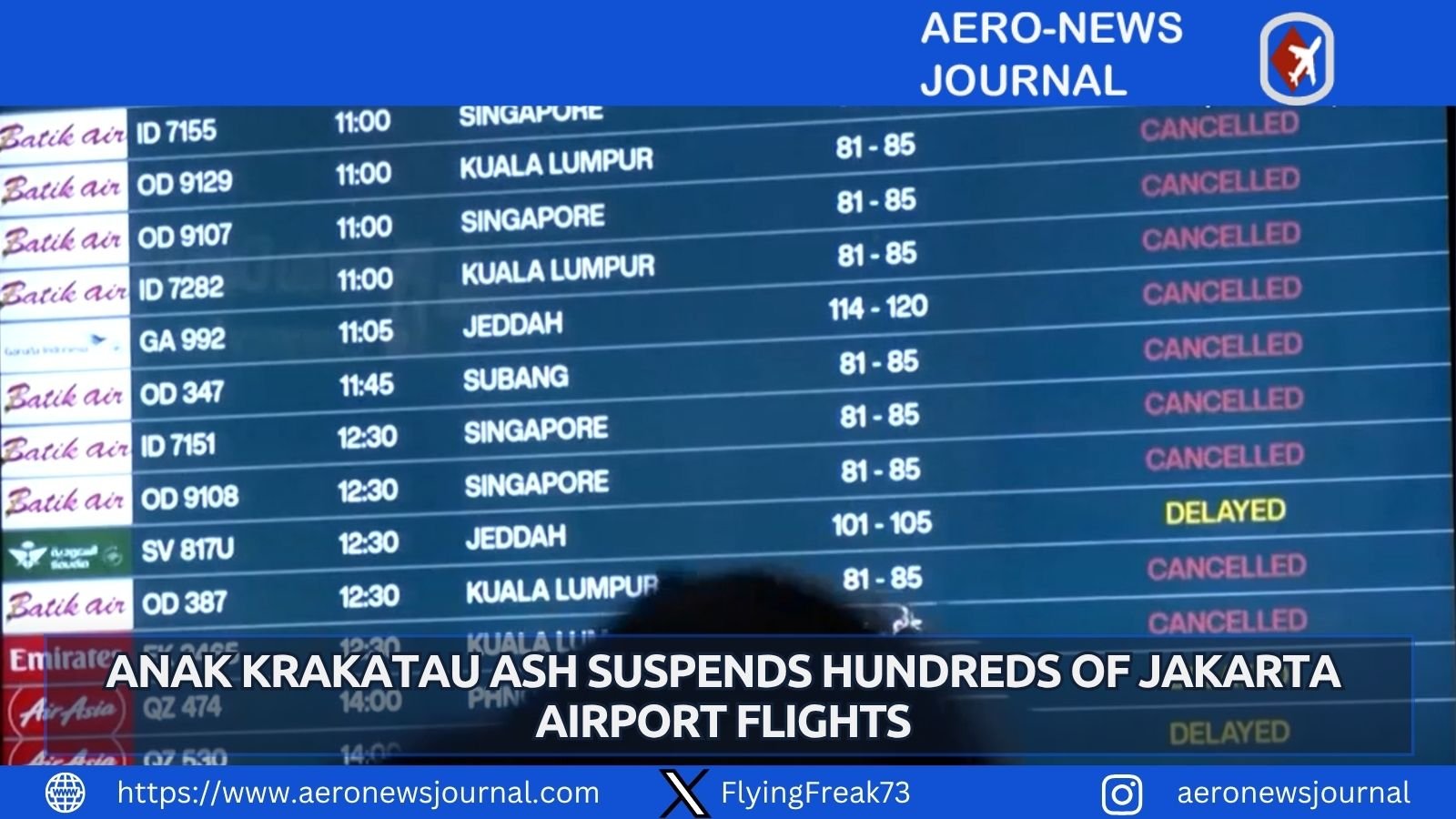
Tangerang, Indonesia, Sept. 7 – An eruption of Indonesia’s Mount Anak Krakatau has halted flights, schools, and fishing after volcanic ash from the active volcano reached populated areas and Jakarta’s main air hub. Soekarno-Hatta International Airport suspended operations Sunday morning due to volcanic ash disruption at the Jakarta airport that affected two hundred nine flights, including several international services, according to the transportation ministry. Anak Krakatau eruption activity began late Friday, with ash plumes detected early Sunday, prompting the extended halt at Indonesia’s busiest airport. The volcano sits between Java and Sumatra on the Pacific Ring of Fire, where such events occur frequently.
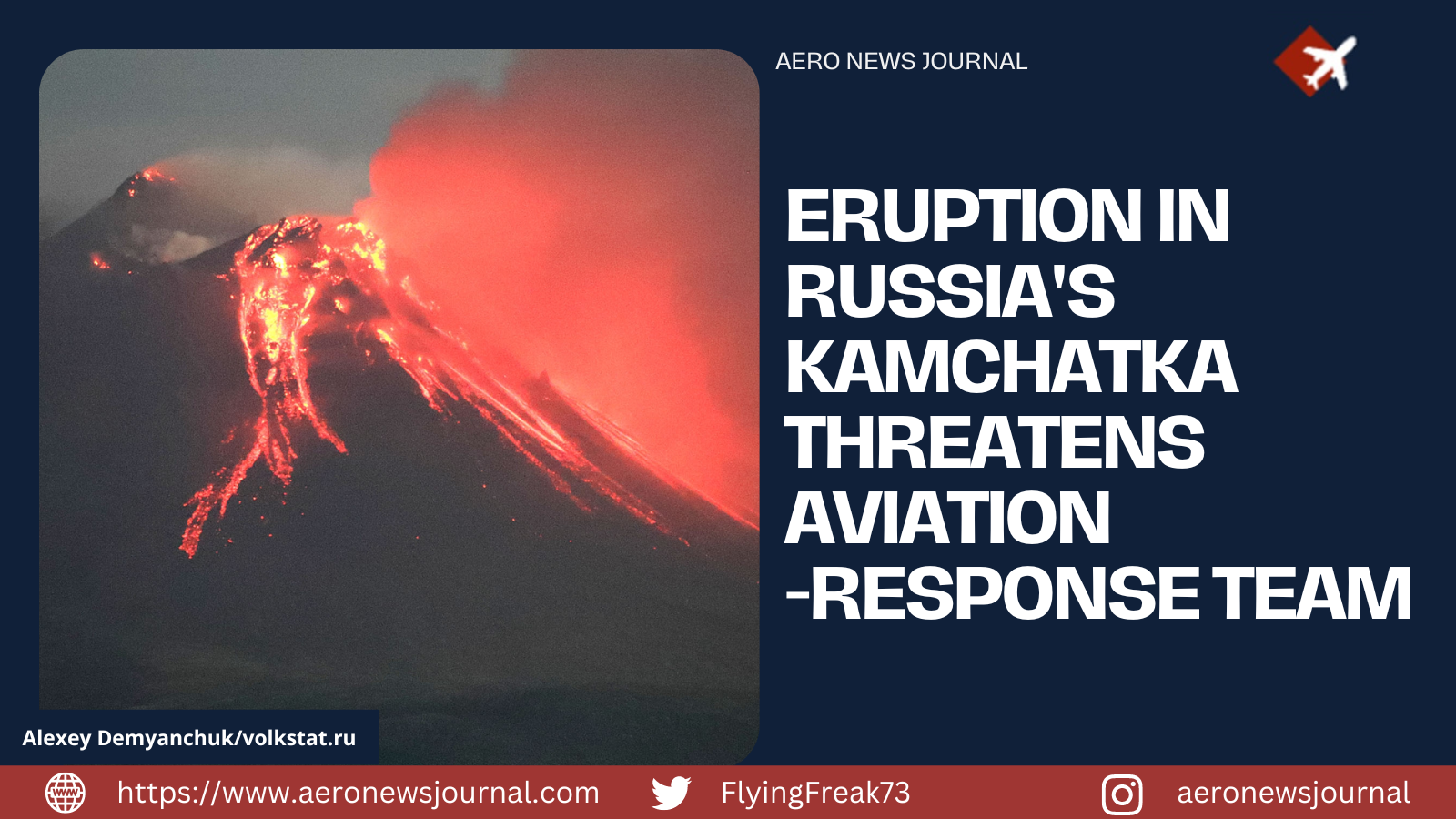
Volcanic ash from Mount Anak Krakatau rose as high as twenty thousand feet on the Java side, and a plume reached fifty thousand feet on the Sumatra side, plus parts of Banten province. Indonesia’s meteorological agency confirmed the height of the ash cloud that forced the Soekarno-Hatta airport to close and created hazards for aviation. Disaster officials stated there was no imminent tsunami risk from the current Anak Krakatau eruption despite the volcano’s destructive history. Residents received guidance to wear masks and eye protection, reduce outdoor activity, cover water sources, and drive carefully because volcanic ash reduces visibility.
Several schools cancelled activities on Saturday after students and residents suffered eye irritation from falling ash linked to the Anak Krakatau eruption schools closed response. Fishermen also cancelled trips as conditions became unsafe, leading to fishing halted Anak Krakatau impacts on local livelihoods. The disaster mitigation agency urged the public to remain calm while increasing vigilance during this period of volcanic activity. Officials emphasized practical precautions to limit health and safety risks from the ashfall across affected communities.
Anak Krakatau, meaning child of Krakatau, formed a century ago in the caldera left by the 1883 Krakatoa disaster that killed more than thirty-six thousand people through massive eruptions and tsunamis. A 2018 tsunami generated by earlier Anak Krakatau activity caused hundreds of deaths and injuries on Java and Sumatra. Current monitoring continues as authorities manage the latest Indonesian volcano flight disruption and community effects. The event underscores ongoing volcanic hazards in the densely populated island nation.