

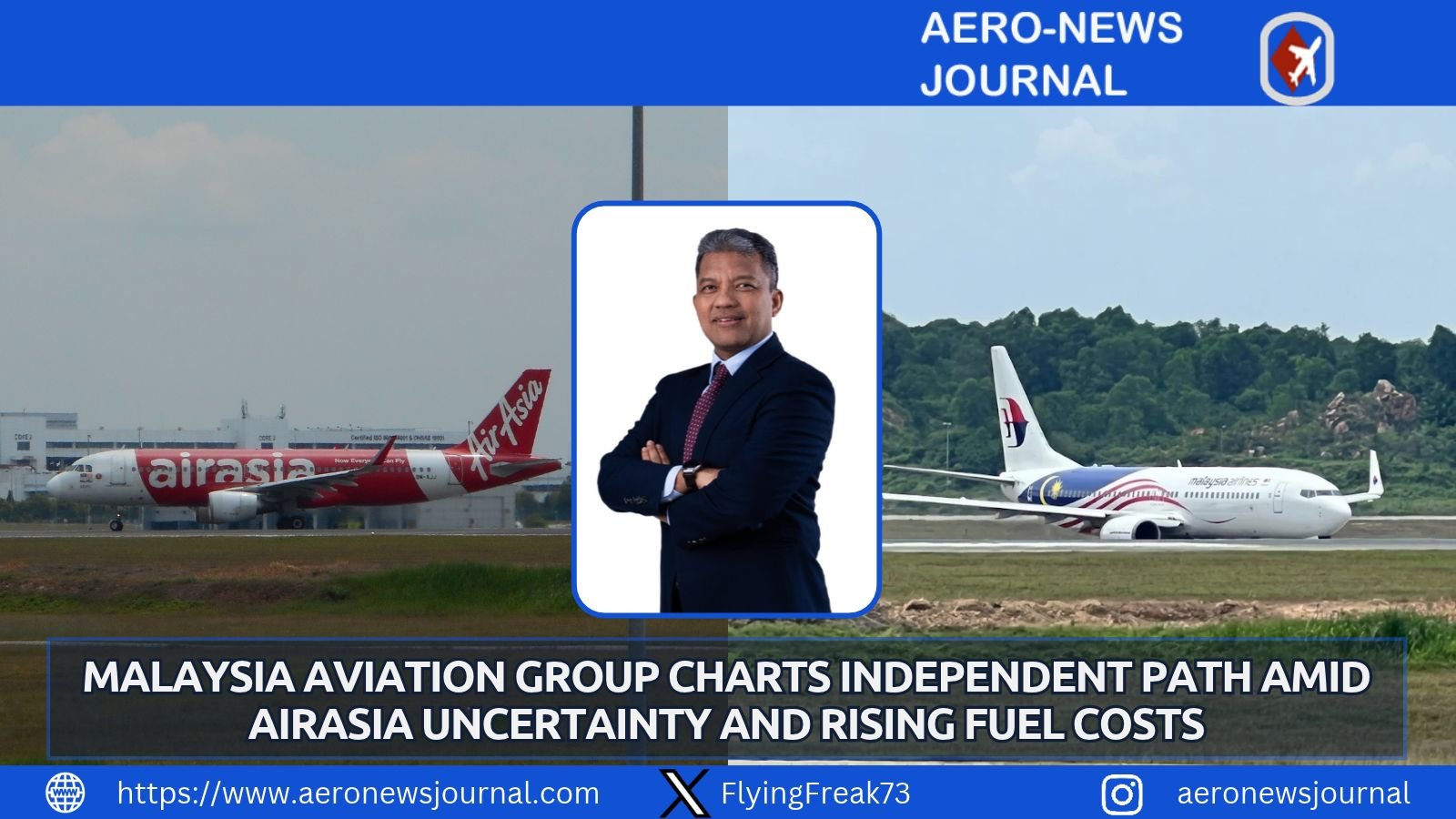
Kuala Lumpur, Nov. 17 – Malaysia Aviation Group (MAG), the parent of Malaysia Airlines, prioritizes its own growth while sidestepping questions about rival AirAsia. CEO Captain Nasaruddin A Bakar affirmed that MAG focuses solely on its business operations today. The sovereign wealth fund-owned group reports no official discussions on absorbing AirAsia’s domestic market share or aircraft.
“You need to ask other stakeholders on that one. But I can say that the focus of MAG today is to focus on the business for Malaysia Aviation Group.”
Nasaruddin confirmed no formal talks with the government occurred. Asked about informal discussions in a Reuters interview, he said stakeholders should answer, while emphasizing MAG’s current focus. Government scenario planning queried Malaysia Airlines and Batik Air on AirAsia routes amid high fuel prices and losses. AirAsia controls about 60 percent of Malaysia’s domestic market.
MAG cut capacity by 6 percent in 2026, about 8,000 to 9,000 flights, to manage elevated fuel costs. It targets 8 percent growth in 2027 from a lower base for normalization. More capacity may return based on financial performance and route profitability. The cut is a tactical response without changing longer-term plans.
Fuel exceeds 50 percent of operating costs from the usual 35-40 percent, leading to 20 percent fare hikes with surcharges. Cargo thrives on AI-related semiconductor shipments and e-commerce demand, expected to continue. Lessors’ discussions focus only on MAG’s own needs and existing orders.