


Washington, Nov. 17 – A senior United States homeland security official confirmed that recent technology outages affecting major American companies and agencies are unrelated to cyberattacks. The disruptions stem from aging computer systems needing significant upgrades to handle modern demands. Incidents at United Airlines, the Federal Aviation Administration, Microsoft, and JPMorgan Chase raised concerns about critical infrastructure reliability.
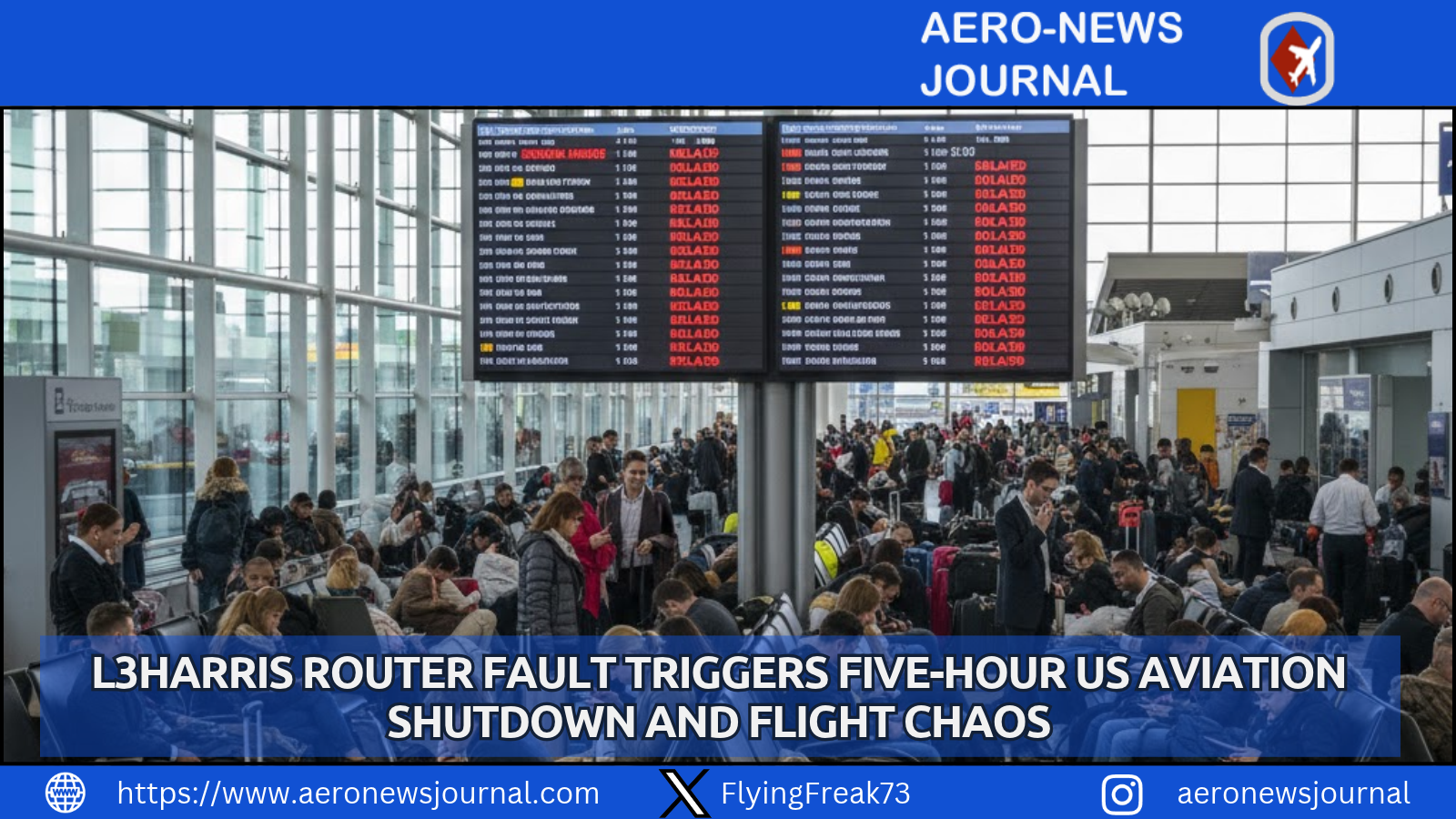
Markwayne Mullin, the top homeland security official, explained in a CNBC interview that organizations are pushing advanced new technology atop outdated computer frameworks. This combination often overwhelms existing systems, causing failures that disrupt operations across aviation, banking, and software services. These tech woes have nothing to do with malicious cyber activities.
“Some of the technology that they’re pushing out there, they’re pushing new technology on top of really old computer systems, and it just seems to overwhelm the system,” Markwayne Mullin told CNBC.
Mullin noted that as innovative technologies continue to roll out, similar challenges will likely emerge more frequently. Aging systems in need of modernization cannot keep pace with rapid advancements, creating vulnerabilities in essential services. Addressing these through targeted upgrades is essential for stability in the US technology landscape.

The official assessment provides reassurance that the recent outages do not indicate a coordinated cyber threat. It highlights the urgent need for infrastructure investments to prevent future disruptions at key institutions like the Federal Aviation Administration and major banks. Measures ensure technological progress does not overwhelm systems.