

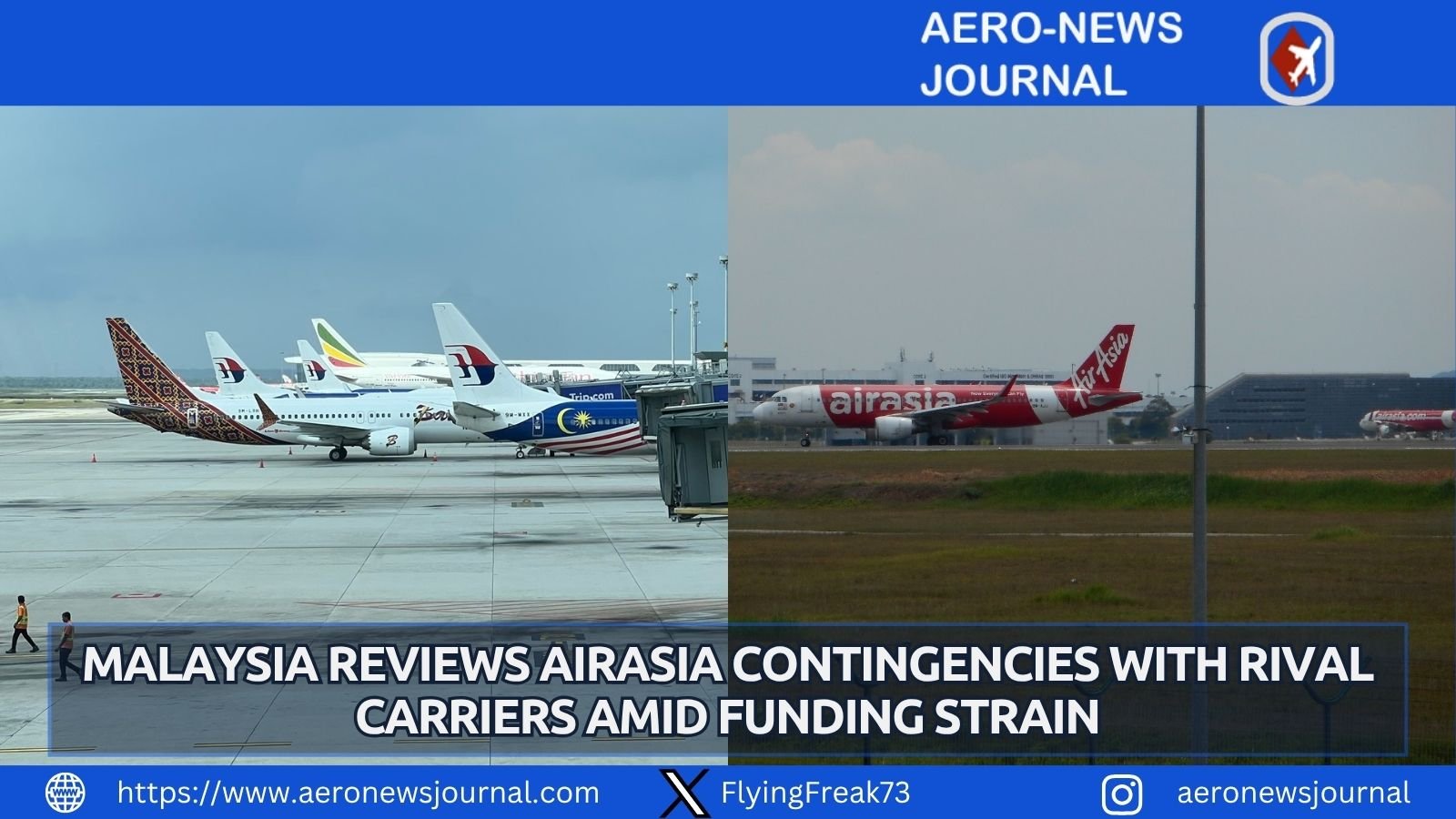
Kuala Lumpur, Sept. 17 – Malaysia’s authorities have stepped up contingency work around AirAsia’s finances by asking Malaysia Airlines and Batik Air whether they could take on a large portion of the low-cost carrier’s domestic flying if needed. People briefed on the matter said contacts among the finance ministry, the two airlines and airport operator Malaysia Airports Holdings Berhad have grown more frequent as officials watch the strain on Southeast Asia’s biggest budget airline, which holds roughly 40 percent of the national aviation market and about 60 percent of internal routes. The conversations are framed as scenario planning to protect passenger flows and airport activity at Kuala Lumpur International Airport rather than as a live takeover bid. Both Malaysia Airlines and Batik Air have told officials they would prefer to grow their own networks to pick up extra traffic and would consider a wider operational role only if they could also take over the corresponding aircraft leases.

Higher jet-fuel prices, which averaged 183 dollars a barrel in the April-to-June quarter after a 66 percent rise from the previous three months, have added to AirAsia’s difficulties and helped produce an 831 million ringgit quarterly loss plus 331 million ringgit in currency-related charges. At 30 June, the group listed current liabilities of 18.4 billion ringgit and, according to those familiar with the talks, still owed Malaysia Airports at least 500 million ringgit for landing, parking and related services even after earlier repayment deferrals. Management is pursuing more than 1 billion dollars of new funding, aiming for up to 1 billion dollars from overseas debt markets together with 700 million ringgit of domestic credit lines mainly to rearrange existing obligations; some of the same sources put the true capital gap closer to 3 billion dollars. Cash on hand stood at 954 million ringgit at the half-year mark. The airline has already dropped weaker routes, handed 25 older jets back to lessors and reworked supplier agreements in an effort to trim spending.
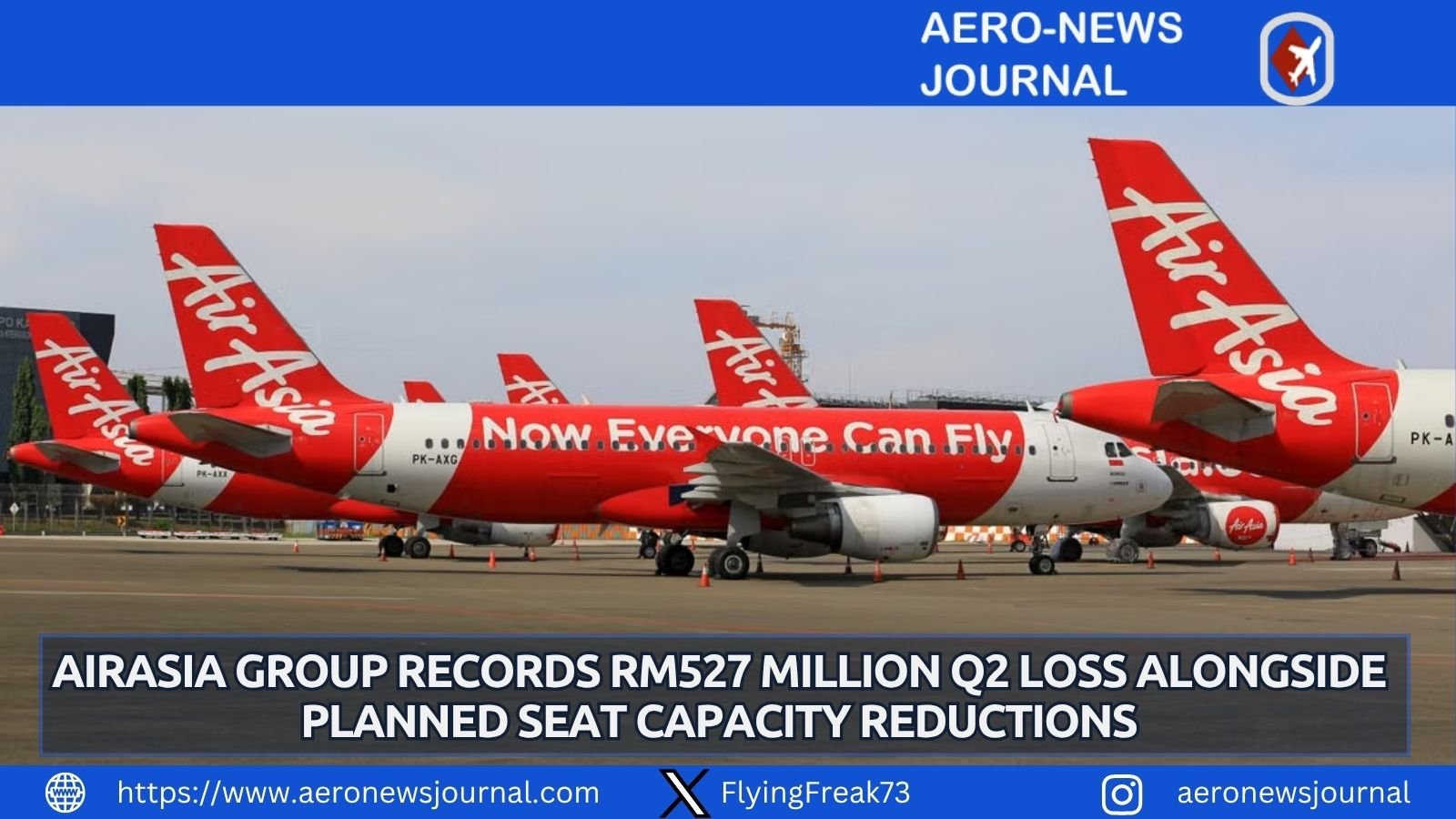
Malaysia Airports noted that it routinely discusses network and capacity questions with every airline partner whenever unused demand appears, yet it would not discuss AirAsia’s accounts or private commercial terms. The finance ministry, Malaysia Airlines and Batik Air likewise offered no public remarks. Separate conversations have touched on whether a limited official endorsement might improve AirAsia’s chances of raising money from outside investors, although the form of any such backing has not been defined. The ministry has engaged Alton Aviation Consultancy to examine the group’s funding position because of the carrier’s importance as an employer and as a source of low-fare links across the region. AirAsia has not replied to questions about the airport bill but has spoken of a productive working relationship with Malaysia Airports executives.

Farouk Kamal, AirAsia’s deputy group chief executive, said the company does not respond to rumours about operations, finances or unannounced deals and that any significant change in strategy or fleet is released through official stock-exchange notices. He added that the airline is concentrating on keeping services running smoothly, still sees solid demand on its network and is coordinating with lenders and other partners to meet its financial and operational needs. Management maintains that the sums it is targeting will cover what is required. Officials continue to track the situation because any sudden contraction in AirAsia’s schedule would affect domestic aviation capacity, airport income and affordable travel options throughout Malaysia and the wider region.