

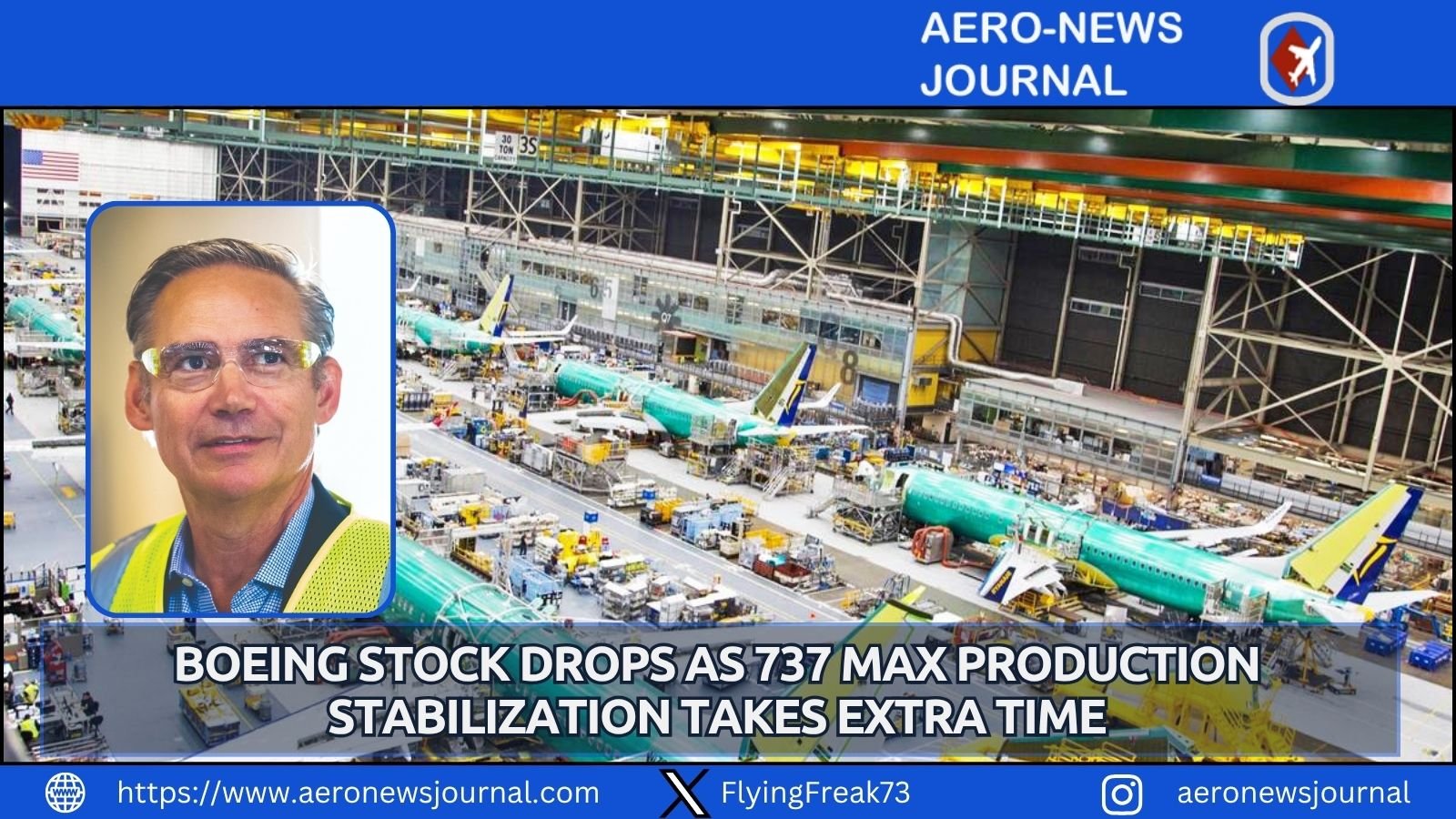
Seattle, Sept. 17 – Boeing CEO Kelly Ortberg stated that increasing 737 MAX output is taking longer than expected as the company works to stabilize production at 47 jets monthly. Boeing shares slid following the remarks at a Morgan Stanley conference, falling about 2.25 percent immediately and closing down 4 percent. Raising 737 MAX production remains essential for financial recovery after years of setbacks that left nearly 26 billion dollars in net debt. Wing manufacturing has not kept pace with the higher 737 MAX output target, limiting consistent deliveries of the single-aisle jetliner.
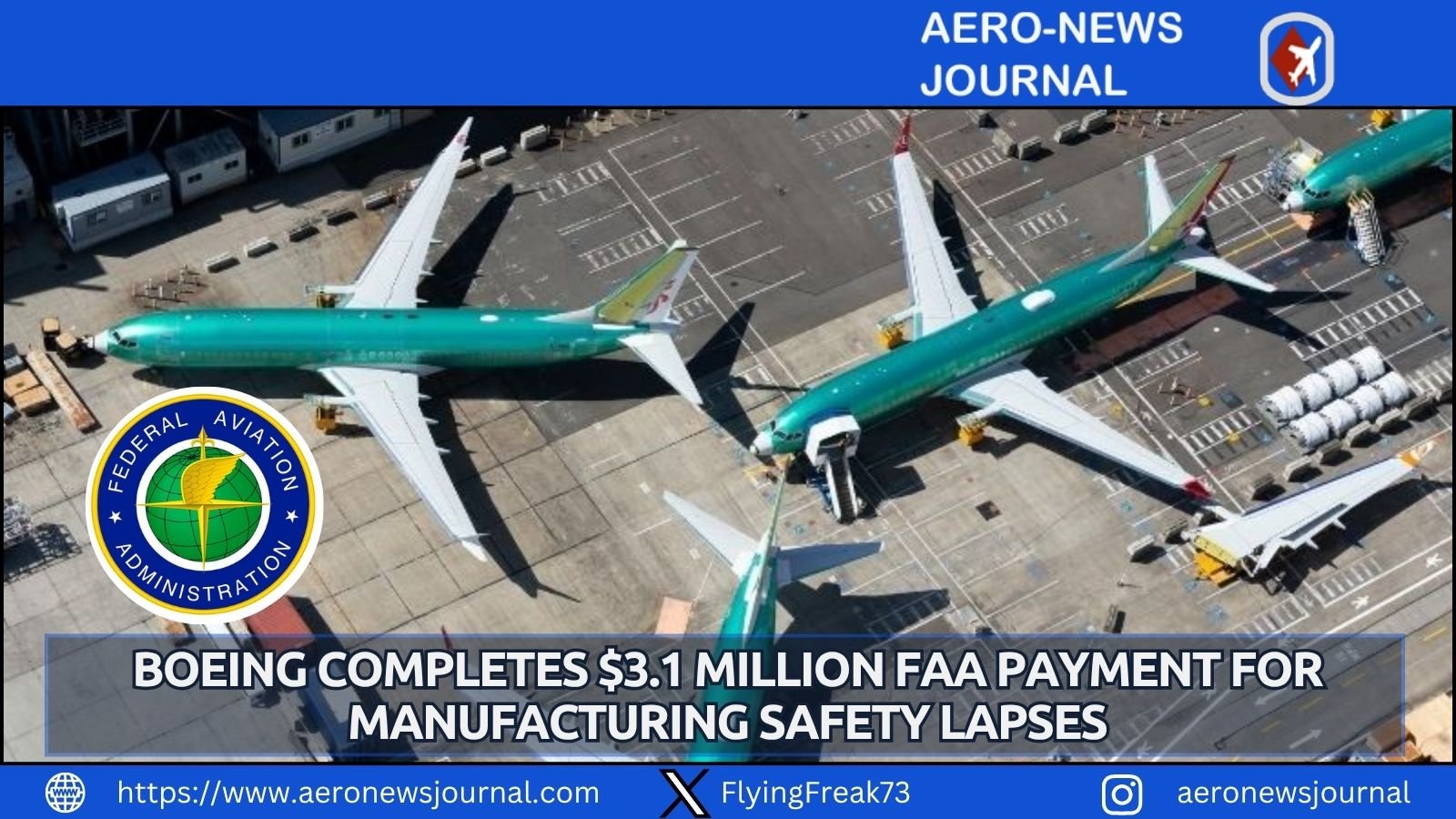
Boeing must accelerate wing production and certify a new 737 line in Everett to reach 52 jets a month next year, with the supply chain able to support that increase. Ortberg expects 737 MAX 10 certification very soon, even though the largest variant is years behind schedule and accounts for about 30 percent of 737 orders. Federal regulators earlier certified the 737-7. These 737 MAX production delays form a core challenge for Boeing stock performance and long-term cash generation.
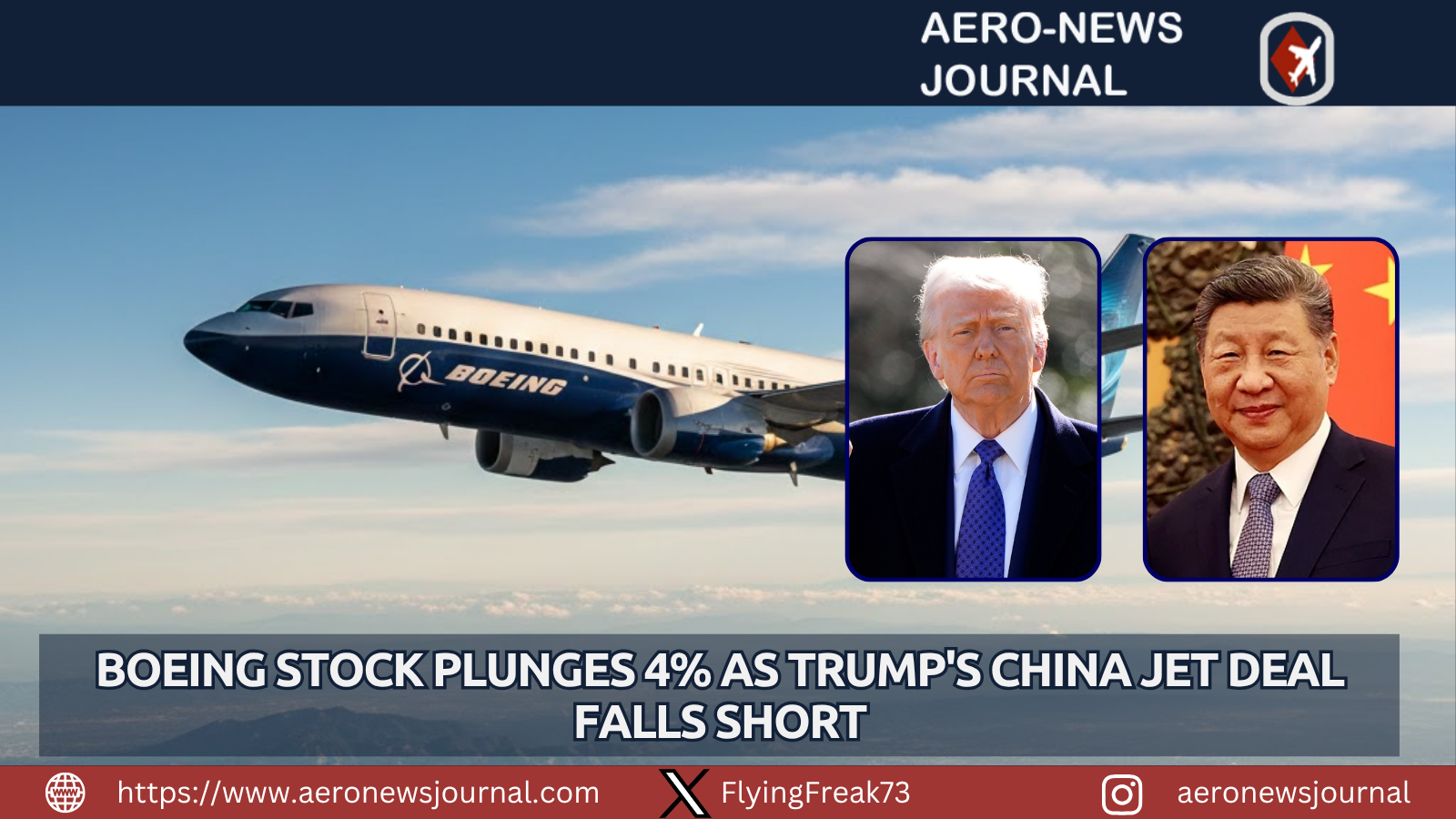
787 Dreamliner production increases to 10 jets monthly are also taking longer than hoped because of engine shortages. The company now builds eight twin-aisle jets a month, yet slow premium-seat certification has made 787 deliveries lumpy from month to month. Combined slower 737 MAX output and 787 rate gains mean Boeing is likely to generate 2 billion dollars in free cash flow, the midpoint of earlier guidance rather than the 3 billion dollar upside.
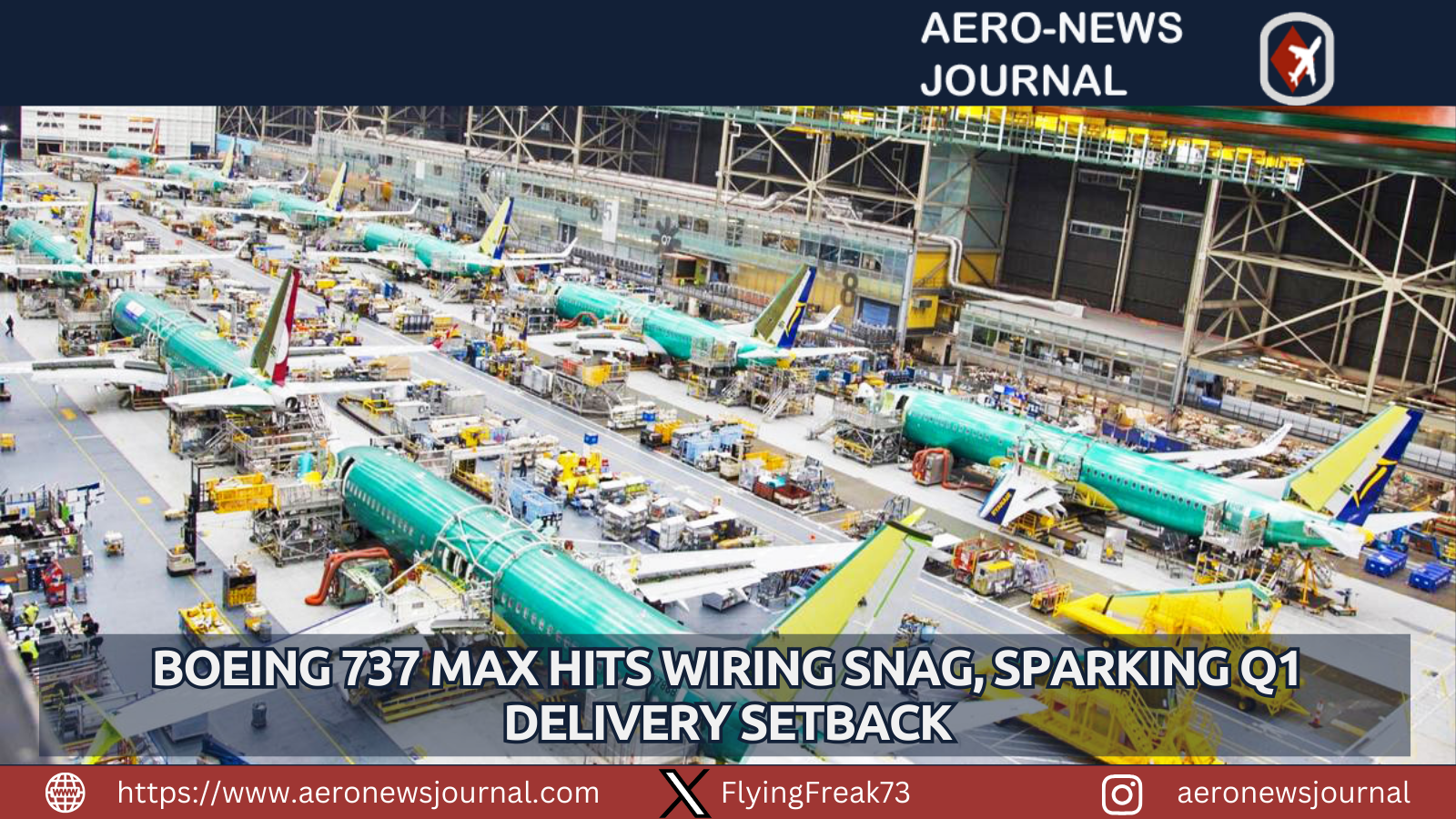
Ortberg downplayed chances of a large additional China jetliner order at an upcoming summit, after Beijing already committed to 200 aircraft. Southwest Airlines, first to receive the MAX 7, anticipates initial deliveries near the end of 2026 and entry into service in early 2027, with 27 aircraft already built. Sustained progress on 737 MAX production and certification will determine how quickly Boeing can strengthen its balance sheet and restore investor confidence in Boeing shares.