


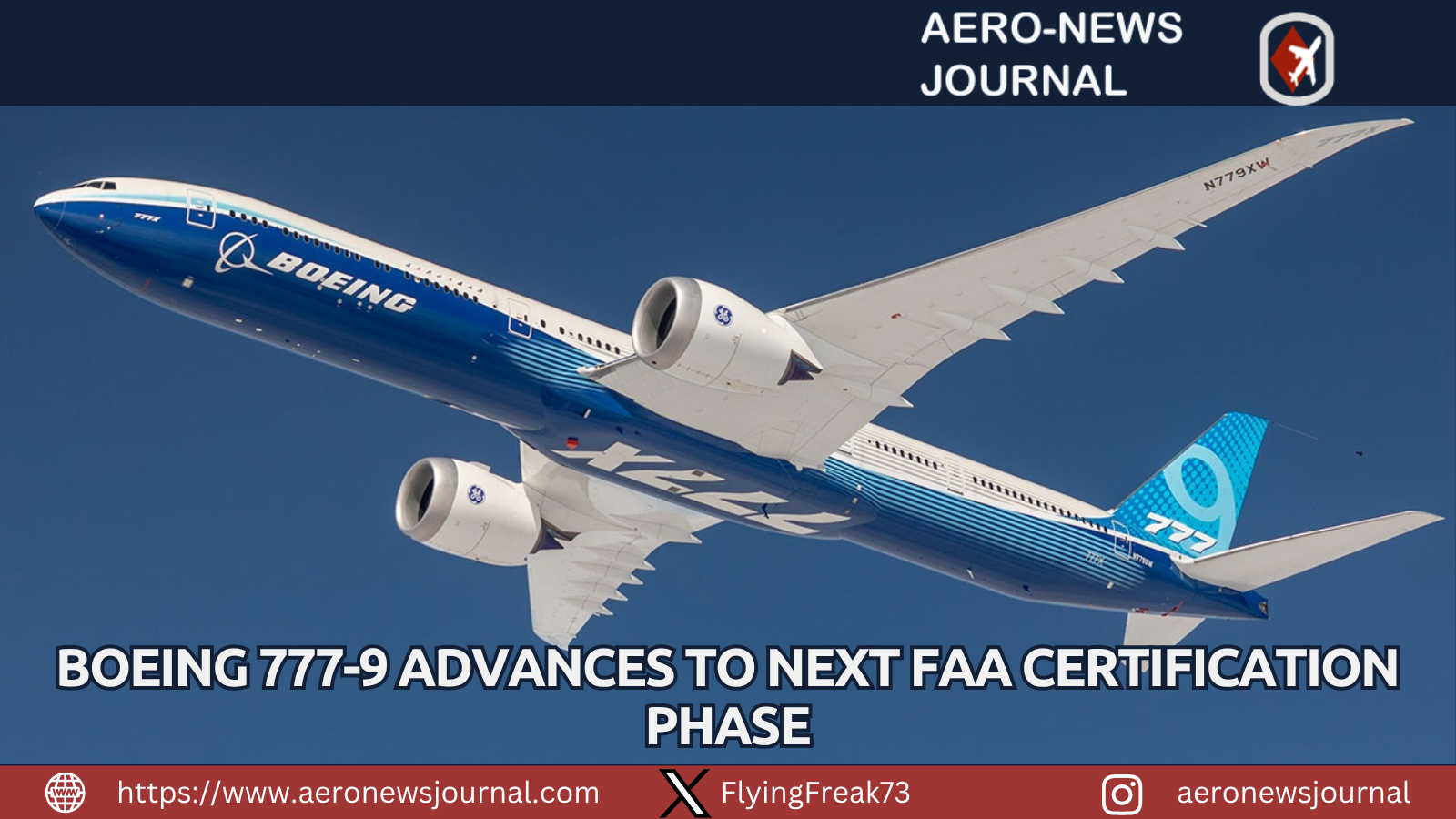
Seattle, October 7 – Boeing has produced roughly forty Boeing 777X aircraft, most of them early-build 777-9 passenger jets, while certification of the widebody remains pending. The manufacturer expects the Boeing 777-9 to receive certification in early 2027 and to enter service shortly afterward with Lufthansa, ending a delay of about seven years. Production continued because the 777 line could not simply be halted, so more than thirty customer 777-9 airframes now sit completed or nearly completed. Those early-build examples will not reach airlines on the original schedule, because design changes introduced during flight testing must still be applied before delivery.
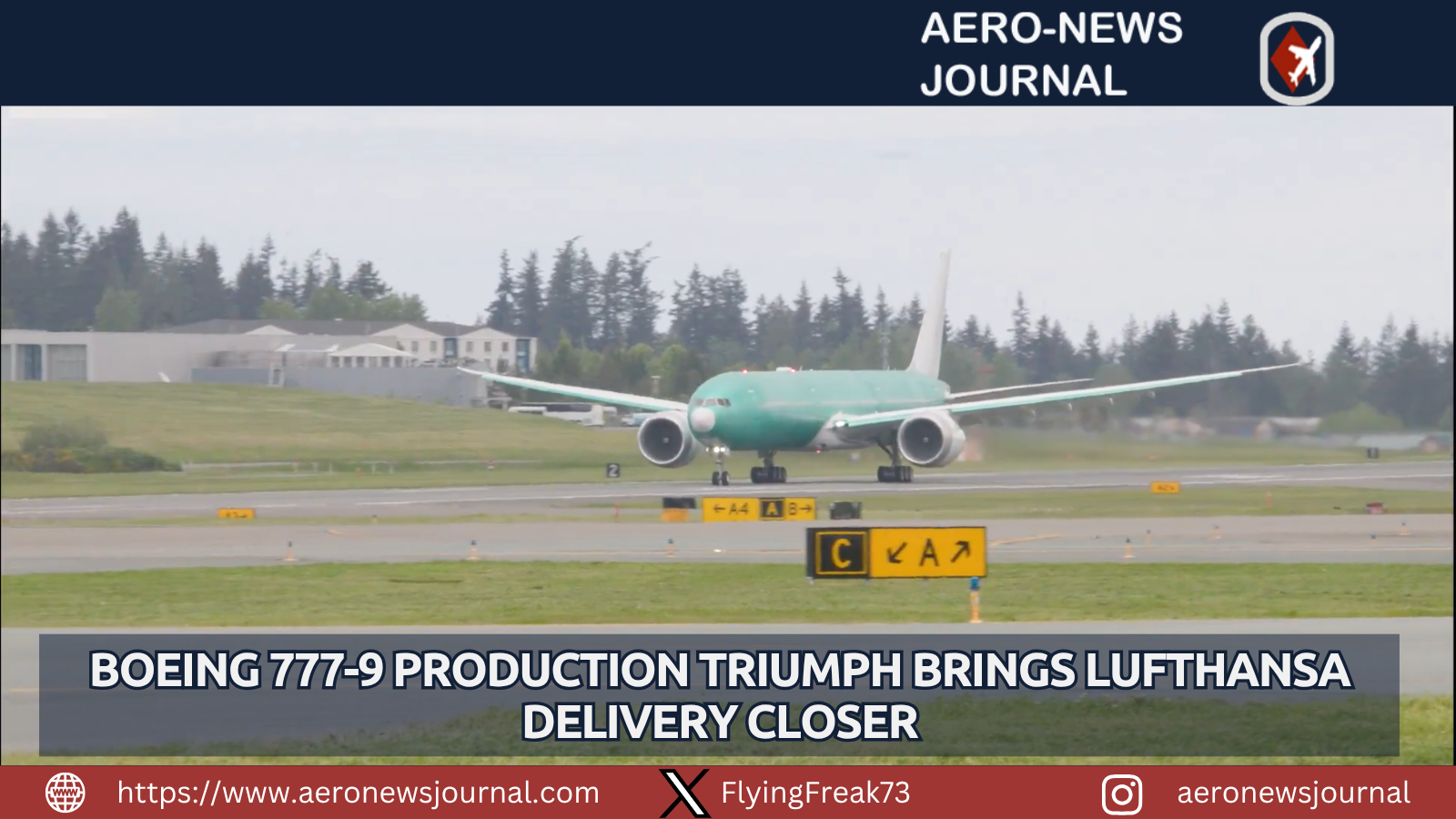
Change incorporation is the process of modifying already-built aircraft so they match the specification expected at certification. Older Boeing 777-9s need far more extensive rework than recent ones, and the added structure can increase weight and slightly worsen fuel burn. Emirates and Lufthansa have rejected the earliest production 777-9s that would have required the heaviest modifications. Boeing has already quietly scrapped one of them, line number 1611, which was built for Emirates under the planned registration A6-EZT. The airframe never flew and had been used for structural testing; Boeing partially dismantled it in 2025 and wrote it off within broader charges of about fifteen billion dollars after concluding that full rework would cost more than any realistic sale price.
The rejected jets are effectively white-tail Boeing 777X aircraft that must be resold after modification. Demand for very large twin-aisle aircraft is limited, and early-build examples carry performance penalties that make them less attractive than later serial aircraft. United Airlines was rumored to be reviewing some of the unsold 777-9s earlier in 2026, but the carrier later confirmed it was not pursuing the type. Price and shorter lead time remain the main commercial arguments Boeing can offer prospective buyers of these reworked airframes.
The situation recalls the Boeing 787 Terrible Teens, early Dreamliners that were several tons overweight and difficult to place, yet eventually found operators. The Boeing 777X is not a clean-sheet design, but it is a deep derivative: composite wings with folding tips, a new vertical stabilizer, larger windows, a 787-style flight deck, and two GE9X engines, the largest turbofans in production. Those changes help explain both the long development and the rework now required on dozens of early-build 777-9s.