


Cape Canaveral, October 2 – SpaceX launched its 13th long-duration astronaut crew to the International Space Station on October 1, 2026, from Cape Canaveral Space Force Station in Florida. A Falcon 9 rocket topped by an autonomously operated Crew Dragon spacecraft lifted off carrying NASA’s Crew-13 mission, with two NASA astronauts, a Canadian Space Agency astronaut, and a Russian cosmonaut bound for a science expedition devoted to human health and performance in orbit.
Commander Jessica Watkins, a geologist on her second voyage and the first NASA astronaut to fly twice aboard Crew Dragon, leads the team beside pilot Luke Delaney, a former test and fighter pilot making his space debut. Mission specialists Joshua Kutryk of Canada and Sergey Teteryatnikov of Russia, both rookies with backgrounds in aviation and submarine engineering, complete the four-person crew. The capsule is expected to reach orbit about nine minutes after launch and dock with the station roughly eight hours later, some 250 miles above Earth.
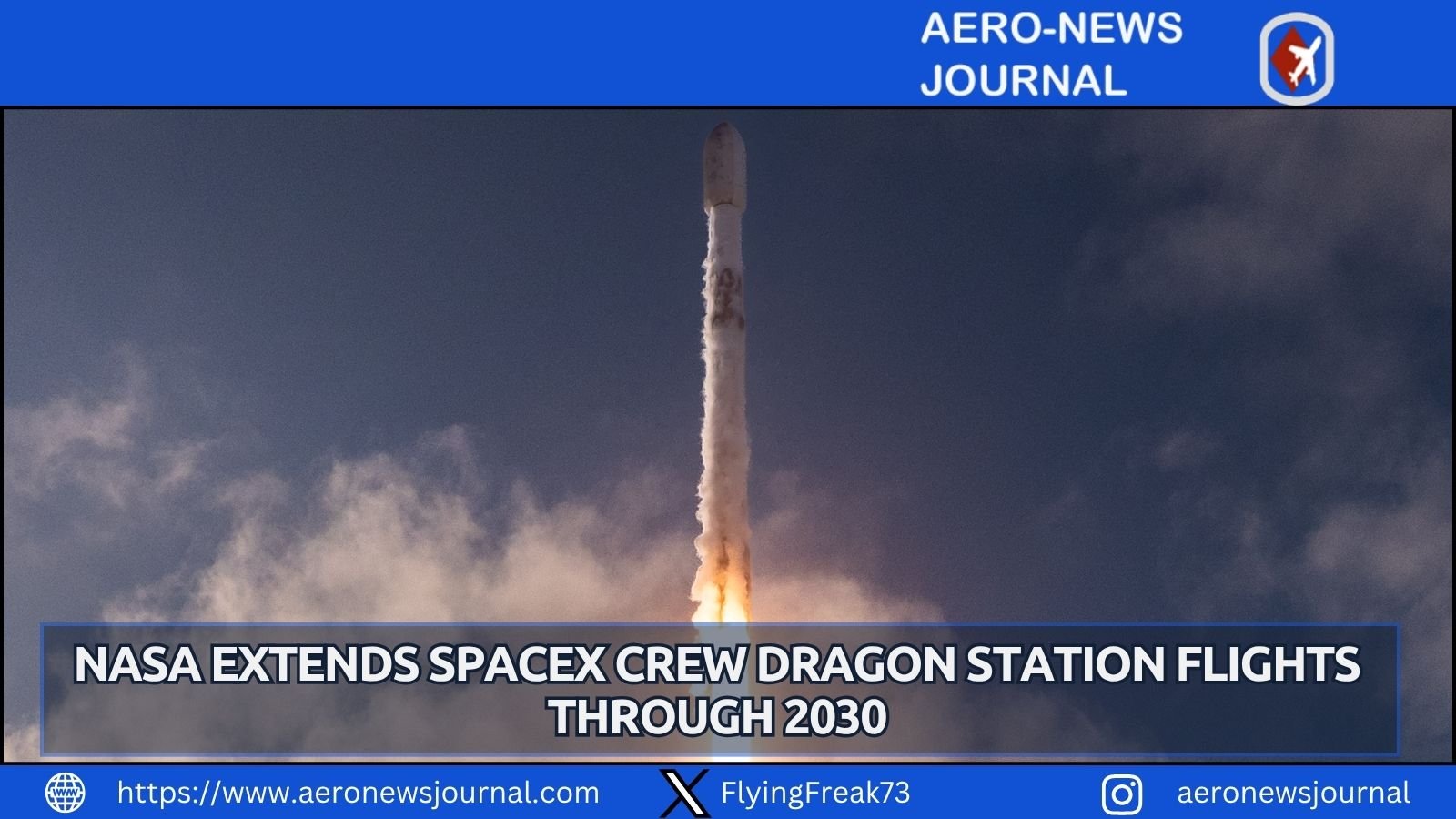
This SpaceX launch continues the commercial crew flights NASA has conducted since May 2020. The arrivals will be welcomed by seven current International Space Station occupants, including Crew-12 members preparing to return after more than seven months. Planned biomedical studies will examine how microgravity affects blood circulation and clotting while collecting health data intended to inform future missions.

The International Space Station, the largest human-made object in space and operated by a consortium led by the United States and Russia with Canada, Japan, and European partners, is committed to operations through 2030. The Falcon 9 reusable booster is set to separate and return for landing, supporting reliable access to the orbital laboratory for long-duration research.