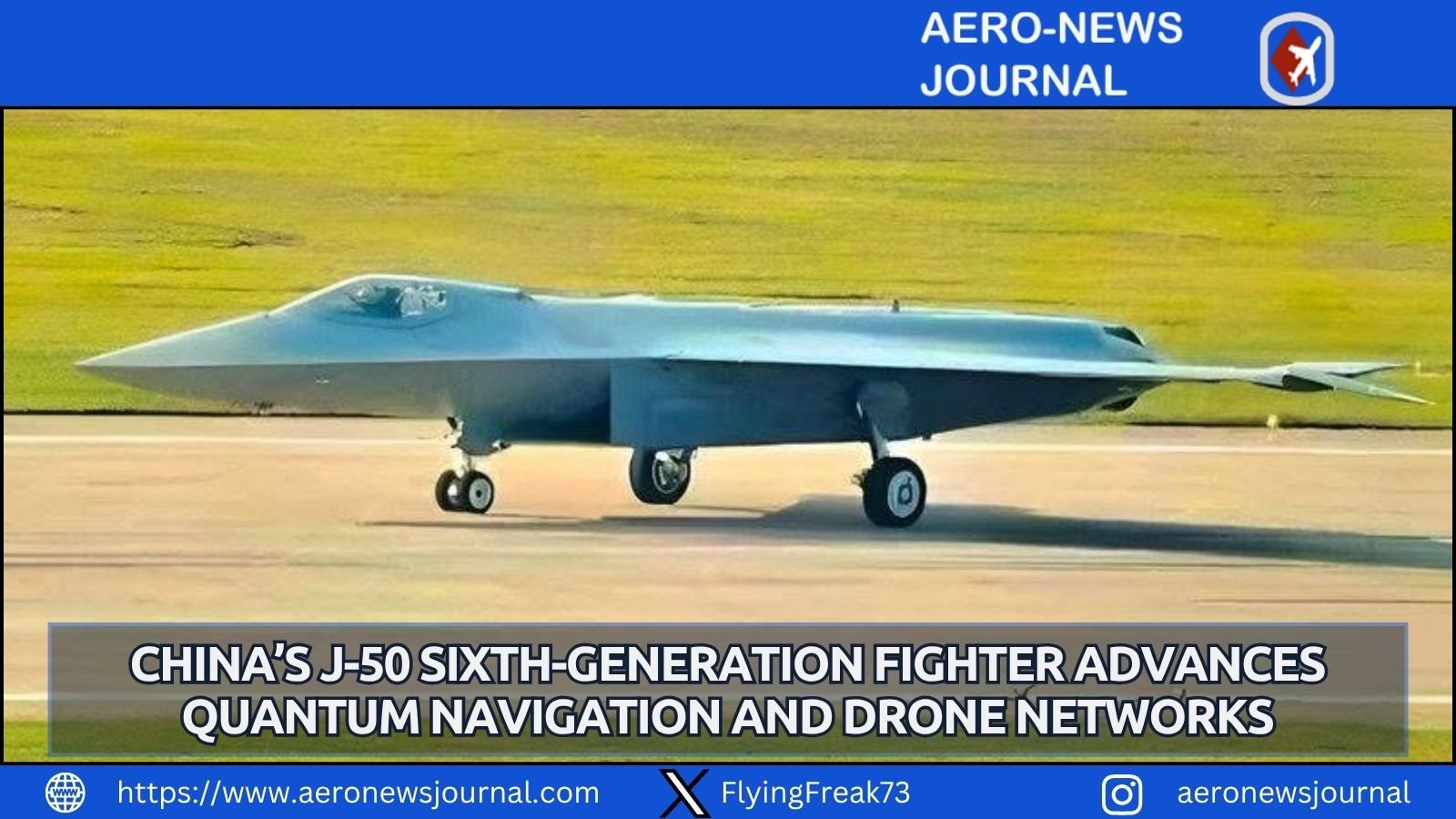
Shenyang research details China’s J-50 sixth-gen fighter quantum navigation, autonomous flight and unmanned wingmen toward 2030.Image: Shenyang

Beijing, Sept. 12 – New details on China’s sixth-generation fighter technologies emerged from a recently published Shenyang Aircraft Design and Research Institute paper led by Zhang Dong. It outlines a leapfrog transformation for the J-50 sixth-generation stealth fighter from Shenyang Aircraft Corporation, expected to form the Chinese Air Force backbone from the mid-2030s after December 2024 flight tests, complementing Chengdu Aircraft Corporation’s larger tri-engine design.
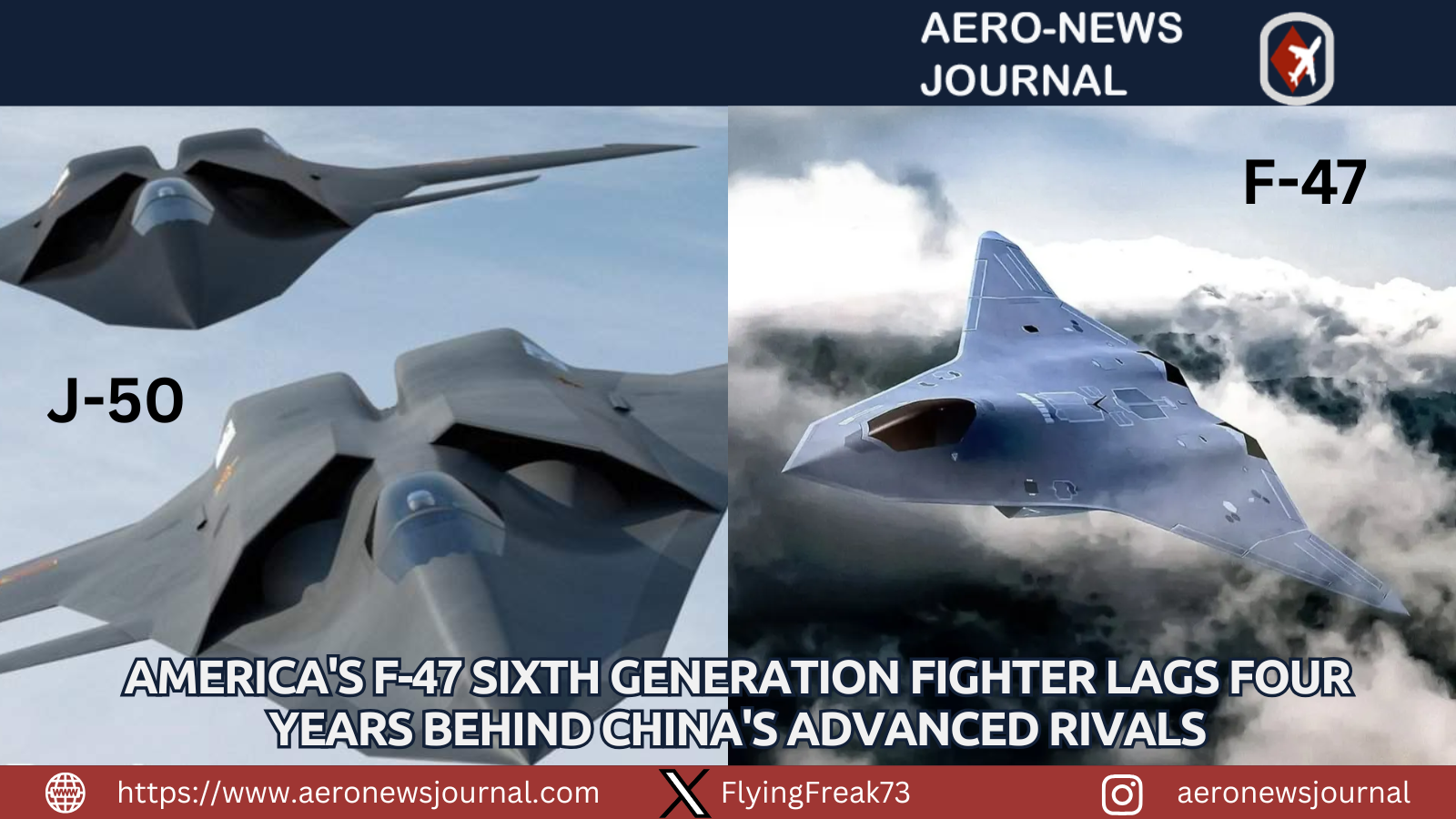
AMERICAS_F-47_SIXTH_GENERATION_FIGHTER_LAGS_FOUR_YEARS_BEHIND_CHINAS_ADVANCED

America’s F-47 Sixth Generation Fighter Lags Four Years Behind China’s Advanced Rivals

America’s F-47 Sixth Generation Fighter Program, a cornerstone of the U.S. Air Force’s Next Generation Air Dominance (NGAD) initiative, has encountered significant setbacks that have placed it perilously behind the rapid advancements in China’s sixth-generation fighter development. Launched as the successor to the stealthy F-22 Raptor, the F-47 embodies cutting-edge innovations in stealth technology…

Researchers emphasize navigation without satellite positioning systems amid electronic warfare jamming. China investigates quantum navigation technologies enabling sixth-generation fighters to determine position independently of GPS signals. This capability proves valuable for stealth aircraft in deep operations against defended targets, reducing reliance on vulnerable infrastructure.
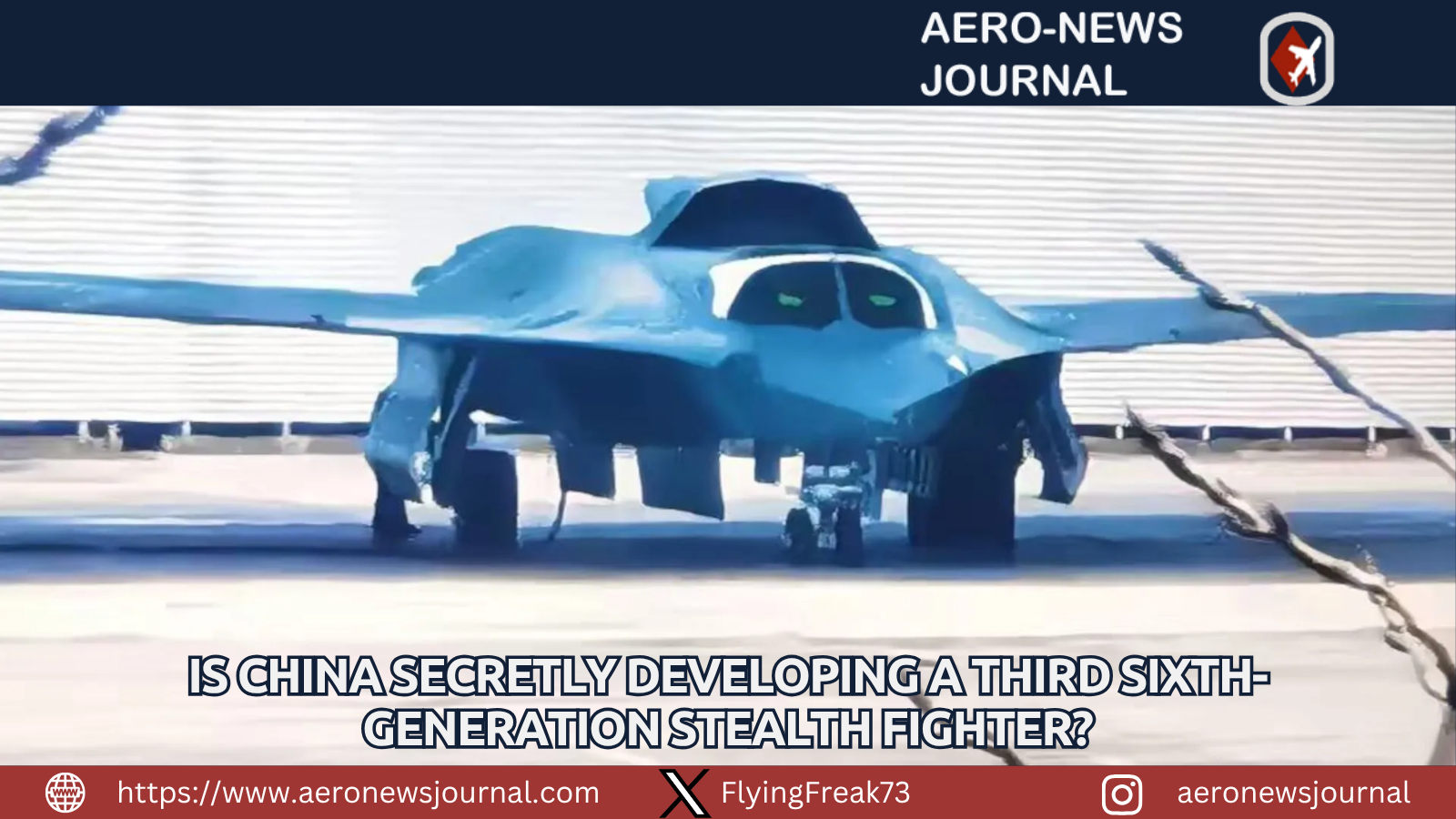
IS_CHINA_SECRETLY_DEVELOPING_A_THIRD_SIXTH_GENERATION_STEALTH_FIGHTER

Is China Secretly Developing a Third Sixth-Generation Stealth Fighter?

The question of whether China is secretly developing a third sixth-generation stealth fighter has sparked intense speculation within defense circles, driven by China’s rapid advancements in military aviation and its strategic ambitions. To explore this possibility, we must consider China’s existing aerospace programs…

A key concept allows the aircraft to fly autonomously if the pilot is incapacitated. Automatic flight control maintains stability and mission continuity as the sixth-generation fighter serves as a command node linking sensors, weapons, and unmanned aircraft, freeing the operator for tactical decisions amid complexity.

US_AIR_FORCE_MODERNIZATION_ADVANCES_WITH_F-47_B-21_PROGRESS

US Air Force Modernization Advances with F-47 and B-21 Progress

In an era where many defense programs face significant delays and budget overruns, the United States Air Force has achieved notable stability with two of its most critical next-generation aviation projects. During the recent Life Cycle Industry Days in Dayton, Ohio, General Dale White…

The ambitious integration pairs manned fighters with adaptable unmanned aircraft formations. Unmanned wingmen conduct attack, reconnaissance, and protective missions under the pilot’s command of a networked force. China’s sixth-generation fighter combines stealth, autonomous flight, advanced navigation, artificial intelligence, and drone coordination, with expected service entry around 2030.