

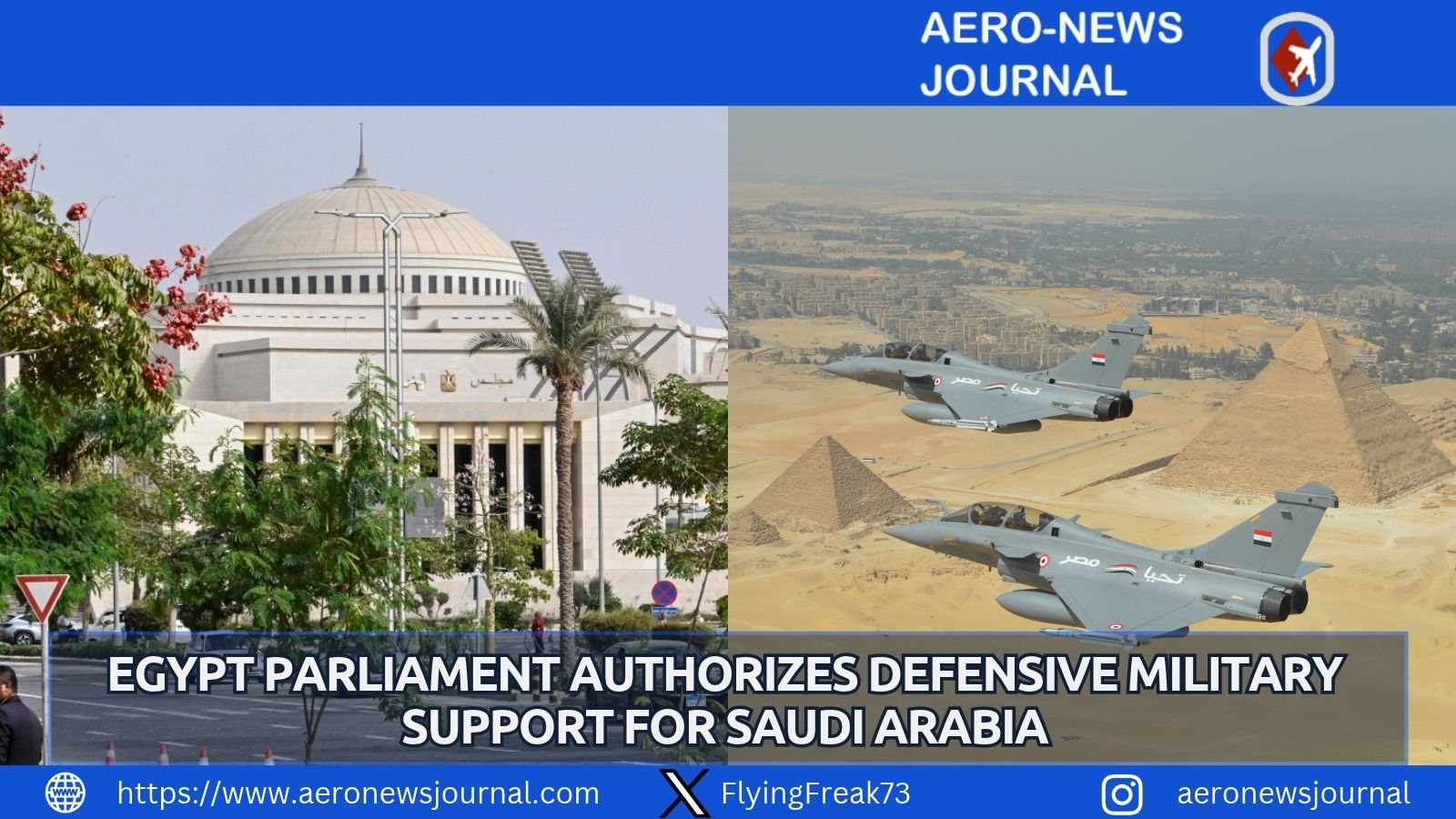
Cairo, October 27 – Egypt’s House of Representatives on October 26, 2026, authorized President Abdel Fattah el-Sisi by a two-thirds majority to take necessary measures to support Saudi Arabia in defending its territory, sovereignty, and holy sites against external aggression, primarily from Yemen’s Houthi forces. The closed-door vote, held after three secret sessions, fulfilled the constitutional requirement under Article 152 for deploying Egyptian armed forces on combat missions abroad following consultation with the National Defense Council, which had endorsed full support on October 18. This green light does not trigger an immediate deployment but grants el-Sisi the legal authority to act only if Riyadh formally requests assistance, clearing a key hurdle amid rising regional tensions.

The parliamentary mandate followed el-Sisi’s request on October 17 during a Military Academy graduation ceremony, where he stressed that Egypt could not stand by while Saudi security faced threats. Lawmakers from pro-government parties largely backed the measure, though the Social Democratic Party and some independents abstained, citing insufficient details on the mission’s scope, duration, costs, and risks to Egyptian personnel. Official statements emphasize that any support remains strictly defensive, focused on Saudi land and borders rather than offensive operations inside Yemen, with no confirmed plans for ground troops in the country itself.

The decision responds to intensified Houthi missile and drone attacks targeting Saudi airports, oil infrastructure, and other civilian sites in recent weeks, which have caused casualties, forced temporary closures, and disrupted energy exports. Egypt, which fields the Arab world’s largest military with extensive air defenses and aircraft, previously contributed mainly naval support to the Saudi-led coalition in 2015. Regional reporting indicates that possible Egyptian air-defense systems and aircraft could help intercept incoming threats if deployed, while preserving Cairo’s preference for diplomatic solutions to the Yemen conflict.

No formal Saudi request has been announced, and Egyptian officials, including Foreign Minister Badr Abdelatty, continue to prioritize de-escalation through talks. The authorization strengthens bilateral coordination between Cairo and Riyadh but leaves the timing, scale, and exact form of any defensive support to the president’s assessment and mutual agreement. This measured approach aims to bolster Saudi Arabia’s defenses while limiting Egypt’s exposure in the protracted Houthi conflict and safeguarding strategic interests such as Red Sea security.