

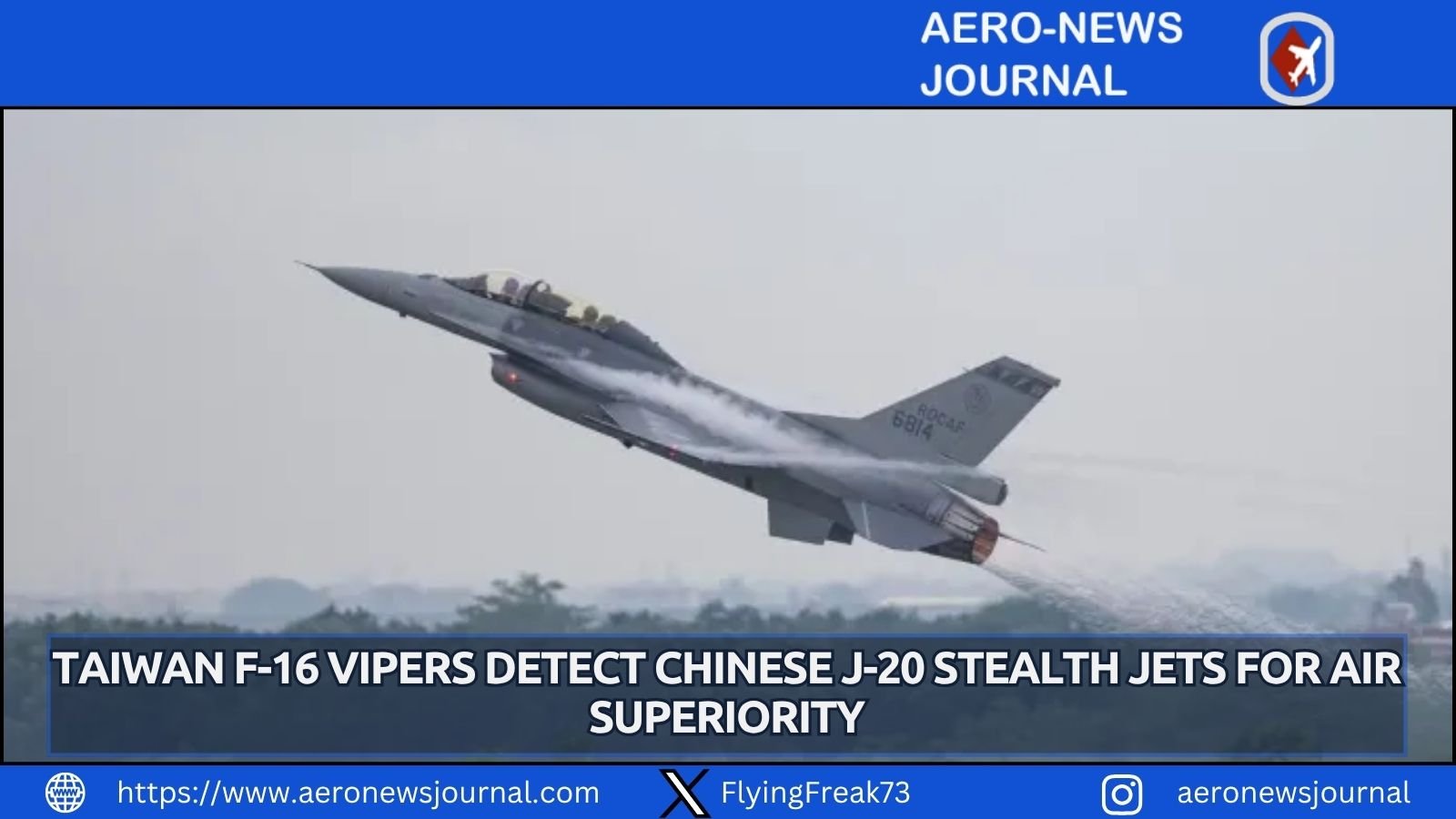
Taiwan’s impending arrival of the first F-16 Viper Block 70 fighters marks a pivotal enhancement of its aerial defenses against potential Chinese aggression. These advanced jets, part of a 66-aircraft order from Lockheed Martin, feature the AN/APG-83 Scalable Agile Beam Radar with active electronically scanned array technology, infrared search and track systems, and upgraded weapons integration including AIM-9X missiles. Despite being fourth-generation platforms, the F-16 Vipers incorporate structural improvements for extended service life and superior situational awareness via Link 16 and helmet-mounted cueing systems, positioning them as Taiwan’s premier combat assets amid regional tensions.
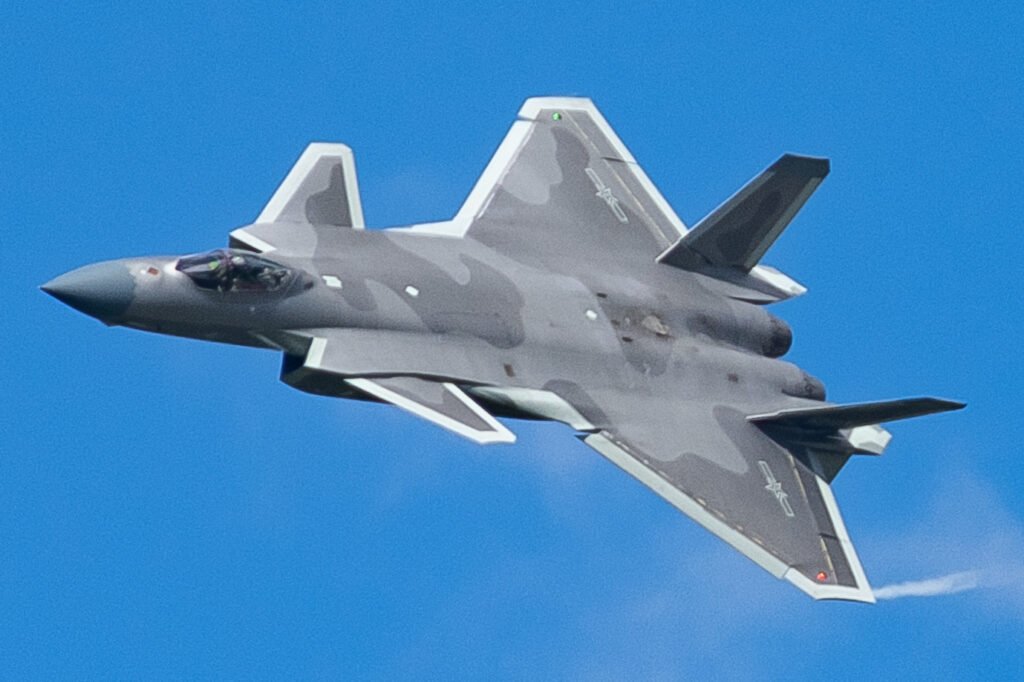
Taiwanese defense specialists express strong confidence that F-16 Vipers can effectively detect and engage China’s J-20 stealth fighters. The AESA radar offers over 60 percent probability of identifying low-observable targets like the J-20 or J-35, while infrared systems track thermal signatures that stealth designs cannot fully mask. Retired instructor Huang Yang-te notes that incomplete J-20 stealth provides no decisive edge against F-16V sensors capable of catching tracks and enabling countermeasures in Taiwanese airspace.
Deputy Defense Minister Po Horng-huei has affirmed Taiwan’s absolute air superiority within its territory, supported by robust integrated air defenses and firepower. Past demonstrations, such as locking onto Chinese J-16 jets with Sniper pods, underscore the passive detection advantages that prevent enemy awareness. These capabilities allow F-16 Vipers to launch precision strikes before adversaries respond effectively.
Overall, the F-16 Viper fleet strengthens Taiwan’s deterrence posture by countering People’s Liberation Army Air Force threats, including non-stealth and stealth platforms alike. Deployment at fortified eastern bases further bolsters resilience, ensuring credible air superiority to preserve stability across the Taiwan Strait through advanced radar, sensors, and armament superiority.